What Does Yellow Diarrhea Mean?
Understanding the various causes of diarrhea, particularly when it appears yellow, can help you determine whether it’s a passing issue or something requiring medical attention. In many cases, yellow diarrhea is temporary and linked to diet or minor infections, but persistent or recurring symptoms may point to underlying digestive disorders.
Paying attention to frequency, duration, and accompanying signs such as fever or abdominal pain helps distinguish between harmless episodes and conditions that need medical evaluation.
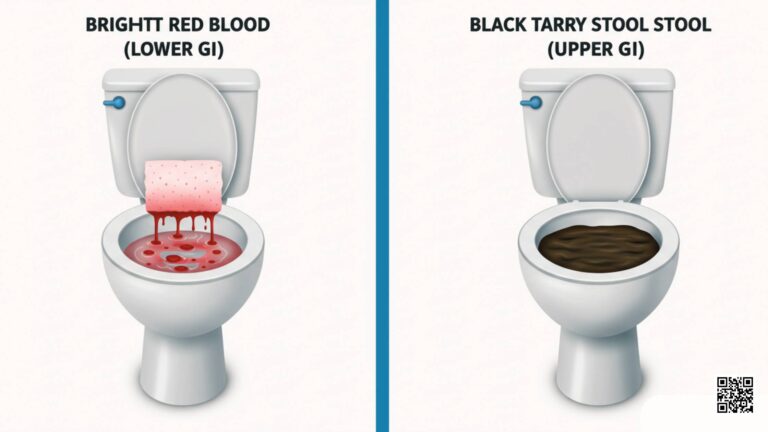
What Stool Color Says About Your Health
Your stool’s color can provide valuable insights into digestive health. Normal stool typically ranges from medium to dark brown due to bile pigments that change as they move through the digestive tract. When stool appears yellow, it often indicates that it passed through the intestines too quickly, preventing bile from breaking down completely.
Changes in stool color can also reflect how well your digestive system absorbs nutrients. For example, pale or clay-colored stools may signal bile duct obstruction, while green stools often indicate rapid transit. Recognizing these variations helps you understand when a color change is harmless and when it may be a warning sign.
What Causes Yellow Diarrhea?
Yellow diarrhea can arise from minor dietary issues or more serious health concerns. Excessive fatty foods may overwhelm digestion, leaving undigested fat in stool and creating a yellow, greasy appearance. Food intolerances, infections, or food poisoning can also trigger symptoms.
Other causes include medications that affect bile flow or digestive enzymes, as well as stress, which can accelerate intestinal transit. Identifying whether your symptoms follow meals, travel, or illness can help narrow down the likely trigger and guide appropriate treatment.
How Diet Can Change Stool Color
High-fat meals, food intolerances, or even natural pigments from vegetables like carrots and pumpkins can alter stool color. Artificial food dyes in processed foods may also contribute to yellow or orange stools.
Alcohol consumption and certain supplements, such as iron or multivitamins, can also influence stool color. Keeping track of dietary habits helps identify whether yellow diarrhea is linked to food choices or a deeper medical issue.
When Yellow Diarrhea Is a Serious Concern
Seek medical care if yellow diarrhea is accompanied by fever, severe abdominal pain, blood in stool, or symptoms lasting more than three days. Dehydration is a major risk, especially for children and older adults.
Warning signs such as unexplained weight loss, persistent fatigue, or swelling may indicate chronic digestive or liver conditions. In these cases, timely medical intervention is critical to prevent complications.
How Doctors Diagnose Yellow Diarrhea
Healthcare providers may use stool tests, blood work, or imaging studies to identify infections, malabsorption, or liver and gallbladder issues.
They may also recommend endoscopy or colonoscopy if structural abnormalities or chronic conditions are suspected. These procedures allow direct visualization of the digestive tract and can provide valuable diagnostic information.
How to Prevent Yellow Diarrhea
Good hygiene, safe food handling, and dietary awareness are key to prevention. Travelers should take extra precautions, especially in tropical regions.
Maintaining a balanced diet with adequate fiber and hydration supports healthy digestion. Avoiding excessive alcohol and processed foods further reduces the risk of stool color changes and diarrhea.
Supportive Care: Mobile IV Therapy
For those at risk of dehydration, mobile IV therapy can provide rapid rehydration and electrolyte replacement while medical professionals address the underlying cause.
This option is particularly useful for travelers or patients with severe symptoms who cannot maintain hydration orally. It offers quick relief while longer-term treatment is arranged.
Final Thoughts
Understanding the potential causes empowers individuals to respond appropriately, whether through simple home care or seeking professional help. Listening to your body and acting promptly ensures better outcomes and peace of mind.
For those traveling abroad, digestive issues can feel even more disruptive, especially in destinations known for rich cuisine and tropical climates. In Bali, for example, visitors who experience prolonged stomach troubles often turn to bali belly treatment in Seminyak, where local clinics specialize in rehydration and targeted care to help tourists recover quickly and get back to enjoying their trip.