

Global healthcare is undergoing a fundamental transformation. While surgery and pharmacological treatment were once the primary tools of medicine, today increasing attention is being paid to non-invasive methods that activate the body’s own regenerative resources. This approach not only reduces risks for patients but also opens new horizons in the treatment of chronic diseases, pain syndromes, injuries, and age-related changes. One of the key representatives of this direction is Cellsonic — a technology that is already shaping the contours of the medicine of the future.
Why Is Medicine Moving Toward Non-Invasive Solutions?
Modern healthcare systems face a range of challenges: an aging population, a growing prevalence of chronic diseases, limited resources, and the high cost of complex medical interventions. Against this backdrop, non-invasive therapy is becoming a strategically important area of medical development.
Patients increasingly seek treatments that avoid surgery, anesthesia, and long rehabilitation periods. Physicians, in turn, are interested in technologies that address the root causes of disease rather than merely suppress symptoms. As a result, methods that stimulate tissue regeneration, improve circulation, and reduce inflammation without pharmacological burden are gaining particular importance.
Non-Invasive Therapy as the Foundation of Regenerative Medicine
Regenerative medicine is based on the concept that the human body possesses a powerful capacity for self-repair. The role of modern technology is to create conditions in which this potential can be effectively activated. Shockwave, impulse-based, and biomechanical stimulation methods have become key tools within this approach.
Next-generation non-invasive devices operate at the cellular level, enhance microcirculation, stimulate stem cell activity, and reduce bacterial load. It is within this context that Cellsonic occupies a unique position, combining scientific innovation with proven clinical effectiveness. https://www.dodpowerpack.com/cellsonic
A Technology Ahead of Its Time
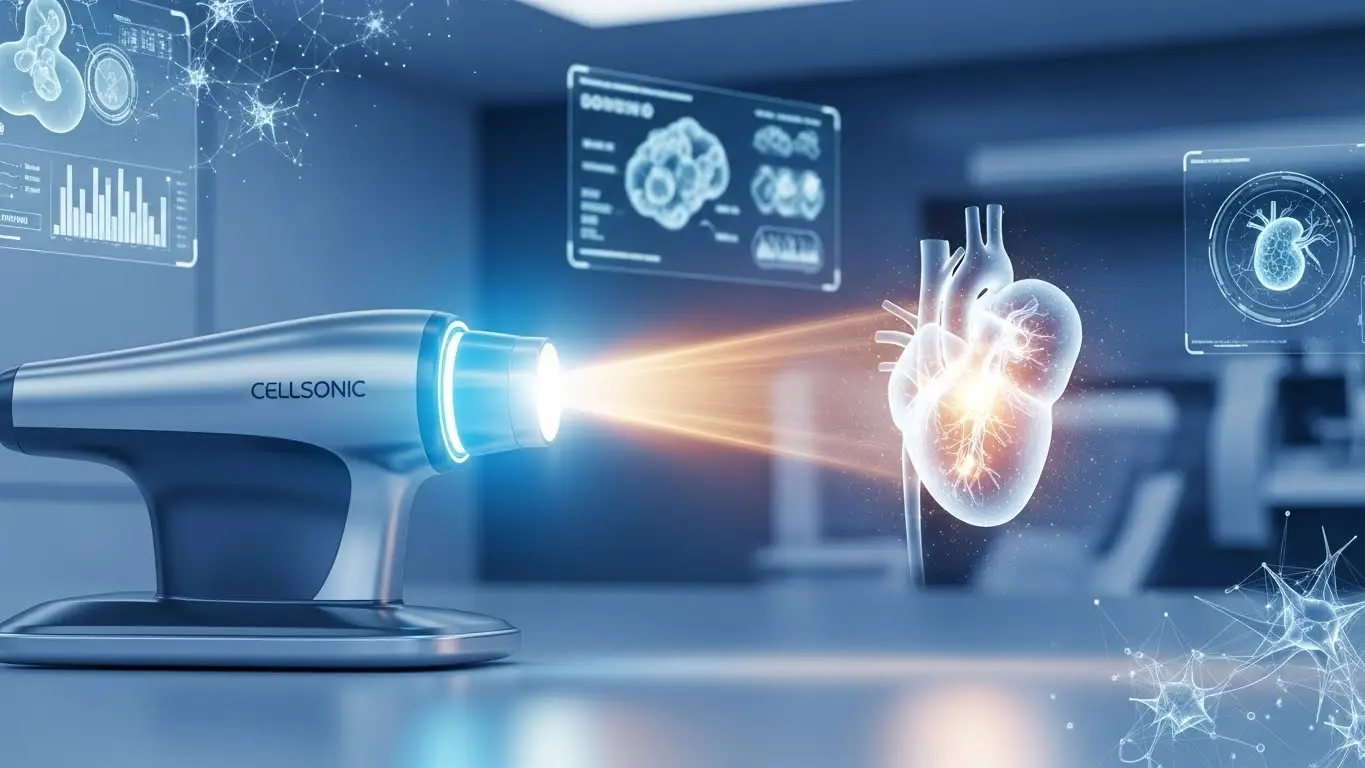
Cellsonic is a non-invasive medical and aesthetic device based on Very Intense Pressure Pulse (VIPP) technology. Its uniqueness lies in its ability not only to stimulate tissues but also to initiate complex regenerative processes while simultaneously destroying pathogenic microorganisms.
Unlike conventional physiotherapy methods, Cellsonic affects microbes mechanically, deforming them until complete structural destruction occurs. This allows for a significant reduction in infection without the use of antibiotics and creates favorable conditions for healing even chronic wounds. Such an approach is especially important in the context of the global challenge of antibiotic resistance.
Medical Applications
In clinical practice, Cellsonic demonstrates significant potential in the treatment of complex and chronic conditions. The device is actively used in the treatment of diabetic ulcers — one of the leading causes of amputations worldwide. By stimulating tissue regeneration and improving local blood circulation, Cellsonic enables healing in cases where traditional methods often prove ineffective.
In addition, Cellsonic is applied in orthopedics, arthrology, and sports medicine for the treatment of joint and back pain, tennis elbow, frozen shoulder syndrome, and post-traumatic conditions. Its non-invasive nature and lack of need for anesthesia make this technology particularly attractive for patients with comorbidities.
The Role of Cellsonic in Cosmetology and Aesthetic Medicine
The future of non-invasive therapy is closely linked to aesthetic medicine. Cellsonic is widely used for cellulite reduction, muscle tone enhancement, and soft tissue quality restoration. Improved blood circulation and lymphatic drainage contribute to better skin texture, reduced congestion, and overall rejuvenation.
In the future, such technologies are expected to increasingly replace aggressive cosmetic procedures, offering safe, long-lasting results without risks or prolonged recovery periods.
Economic and Social Impact of Non-Invasive Technologies
An important aspect of non-invasive therapy development is its economic efficiency. Shorter treatment durations, fewer complications, and reduced hospitalization rates allow healthcare systems to save substantial resources. Cellsonic already demonstrates the ability to lower the cost of managing chronic conditions and to accelerate patients’ return to active life.
From a social perspective, these technologies improve quality of life, reduce disability rates, and offer hope even in complex clinical cases.
The Future of Non-Invasive Medicine and the Place of Cellsonic
The prospects for non-invasive therapy are clear: personalized treatment protocols, integration with digital technologies, expanded clinical indications, and deeper understanding of cellular regeneration mechanisms. Cellsonic already aligns with these trends, combining innovation, safety, and clinical effectiveness.
In the coming years, devices like Cellsonic will become an integral part of clinics, rehabilitation centers, and sports institutions, shaping a new philosophy of treatment — painless, non-invasive, and focused on the body’s natural healing capabilities.
Non-invasive therapy is not a temporary trend but a strategic direction in modern medicine.
Cellsonic is a clear example of how technology can transform medical practice by uniting science, safety, and real clinical outcomes. Its role in the development of regenerative medicine and cosmetology will continue to grow, opening new possibilities for physicians and patients worldwide.
Source: https://drginasam.net/


