
Dr Gina Sims Gastroenterologist Explains When Digestive Symptoms Need Medical Attention
Digestive symptoms are common. Most of us deal with bloating, stomach pain, constipation, or diarrhoea at some point. The problem is knowing when these symptoms are harmless and when they point to something that needs proper medical care.
Dr Gina Sims Gastroenterologist explains that digestive symptoms need medical attention when they are persistent, severe, worsening, or linked with warning signs such as weight loss, bleeding, ongoing pain, or changes in bowel habits that do not settle on their own. These signs can indicate underlying digestive disorders that should not be ignored.
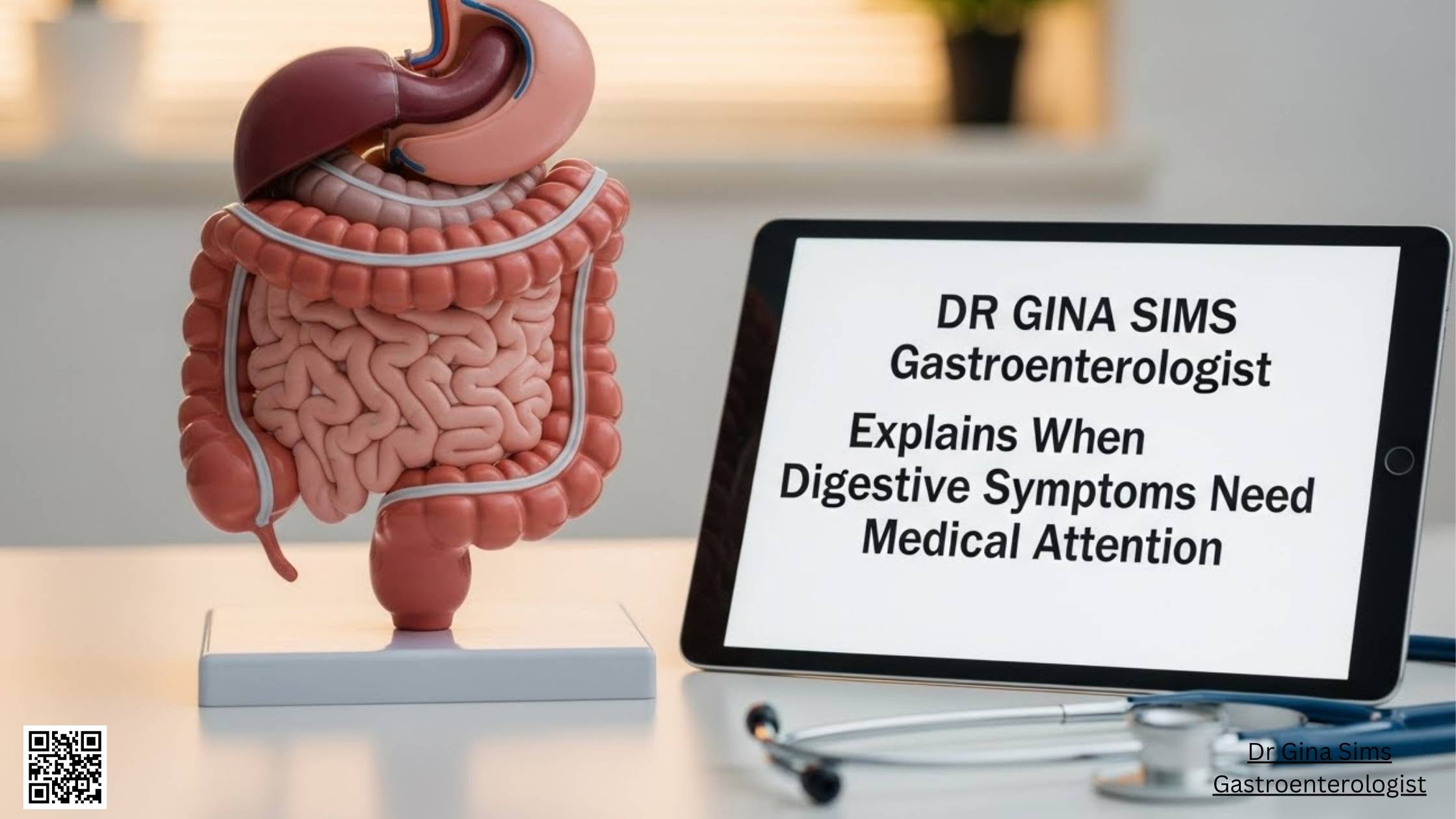
In this guide, I’ll walk through how to tell the difference between everyday digestive discomfort and symptoms that deserve a professional review. I’ll also explain what doctors look for, which tests are usually involved, and why acting early can make a real difference.
Understanding Normal vs Concerning Digestive Symptoms
Digestive symptoms sit on a wide spectrum. Some are temporary and linked to food choices, stress, or short-term infections. Others suggest ongoing inflammation, structural problems, or functional gut disorders.
What Is Considered Normal Digestive Discomfort
Most people experience mild digestive issues from time to time. These usually improve within a few days or weeks.
Common examples include:
- Mild bloating after large or fatty meals
- Occasional constipation linked to low fibre intake
- Short-lived diarrhoea after food poisoning or travel
- Mild heartburn after spicy or acidic foods
- Temporary stomach cramps during stress
These symptoms often respond to simple steps such as dietary changes, hydration, and rest.
When Symptoms Cross the Line
According to Dr Gina Sims Gastroenterologist, symptoms become concerning when they stop behaving like short-term issues.
Red flags often include:
- Symptoms lasting longer than 3 to 4 weeks
- Pain that disrupts sleep or daily activities
- Symptoms that steadily worsen over time
- Digestive problems paired with fatigue or weakness
At this stage, the gut is signalling that something deeper may be going on.
Digestive Symptoms That Should Never Be Ignored
Some symptoms require attention sooner rather than later. These signs suggest possible inflammation, bleeding, infection, or changes in gut structure.
Persistent Abdominal Pain
Ongoing abdominal pain is one of the most common reasons people see a gastroenterologist.
Pain becomes concerning when:
- It lasts for weeks or months
- It occurs in the same location repeatedly
- It feels sharp, burning, or deep rather than cramp-like
- It worsens after eating or during bowel movements
For example, right lower abdominal pain may point towards appendiceal or inflammatory bowel conditions, while upper abdominal pain can be linked to ulcers, gallbladder issues, or acid-related disorders.
Unexplained Weight Loss
Losing weight without trying is never a digestive symptom to brush off.
Unintentional weight loss can be linked to:
- Malabsorption conditions such as coeliac disease
- Chronic inflammation in the gut
- Ongoing diarrhoea affecting nutrient uptake
- Reduced appetite due to pain or nausea
Even a loss of 5 to 10 percent of body weight over a few months can be significant.
Blood in Stool or Rectal Bleeding
Seeing blood can be frightening, but it always needs proper evaluation.
Blood may appear as:
- Bright red streaks on toilet paper
- Dark red blood mixed with stool
- Black, tar-like stools
While haemorrhoids are common, bleeding can also indicate:
- Inflammatory bowel disease
- Colon polyps
- Gastrointestinal bleeding
- Colorectal cancer
Dr Gina Sims Gastroenterologist stresses that bleeding should always be checked, especially if it is recurrent.
Changes in Bowel Habits
Everyone has a baseline pattern. A sudden or lasting change deserves attention.
Concerning changes include:
- New constipation lasting several weeks
- Ongoing loose stools or watery diarrhoea
- Alternating constipation and diarrhoea
- Narrow or ribbon-like stools
These changes may reflect motility disorders, inflammation, or narrowing within the bowel.
Upper Digestive Symptoms That Require Evaluation
Symptoms affecting the oesophagus and stomach are often dismissed as “just acid” or indigestion. Some should be taken more seriously.
Difficulty Swallowing
Trouble swallowing, also known as dysphagia, is never normal.
It may feel like:
- Food sticking in the chest
- Pain when swallowing
- Needing water to push food down
Possible causes include oesophageal narrowing, inflammation, muscle disorders, or growths that need investigation.
Ongoing Heartburn or Acid Reflux
Occasional reflux is common. Chronic reflux is different.
Medical attention is advised when:
- Heartburn occurs most days
- Symptoms persist despite over-the-counter treatment
- There is chest pain or coughing at night
- Swallowing becomes painful
Long-term reflux can damage the oesophagus and increase the risk of complications if left unchecked.
Persistent Nausea or Vomiting
Repeated nausea or vomiting can point to:
- Gastroparesis
- Peptic ulcer disease
- Gallbladder issues
- Medication side effects
Vomiting blood or material that looks like coffee grounds requires urgent care.
Lower Digestive Symptoms That Signal a Problem
Symptoms involving the intestines often creep in gradually, making them easier to ignore.
Chronic Diarrhoea
Diarrhoea lasting more than four weeks is considered chronic.
Common underlying causes include:
- Inflammatory bowel disease
- Irritable bowel syndrome with diarrhoea
- Food intolerances
- Chronic infections
Persistent diarrhoea can lead to dehydration, electrolyte imbalance, and nutrient loss.
Ongoing Constipation
Constipation becomes concerning when:
- It lasts for weeks despite lifestyle changes
- There is pain, bloating, or rectal bleeding
- Bowel movements become difficult or incomplete
In some cases, constipation may be linked to nerve issues, muscle dysfunction, or bowel obstruction.
Excessive Bloating and Distension
Feeling bloated occasionally is normal. Ongoing bloating that causes visible abdominal swelling is not.
This may be linked to:
- Small intestinal bacterial overgrowth
- Food intolerances
- Slowed gut motility
- Inflammatory conditions
Dr Gina Sims Gastroenterologist notes that bloating paired with pain or bowel changes should be assessed carefully.
Symptoms Linked to Inflammatory and Autoimmune Gut Conditions
Some digestive symptoms point towards inflammatory or immune-driven disorders.
Inflammatory Bowel Disease Symptoms
Crohn’s disease and ulcerative colitis often present with:
- Chronic diarrhoea
- Blood or mucus in stool
- Abdominal pain
- Fatigue and anaemia
Early diagnosis helps reduce flare severity and long-term bowel damage.
Coeliac Disease Warning Signs
Coeliac disease does not always cause obvious gut symptoms.
It may present as:
- Iron deficiency anaemia
- Chronic bloating
- Weight loss
- Bone pain or weakness
Testing is essential before removing gluten from the diet.
How Age Affects Digestive Risk
Age plays a major role in how digestive symptoms are assessed.
Symptoms in Younger Adults
In people under 50, symptoms are often functional, but warning signs still apply.
Red flags at any age include:
- Bleeding
- Night-time symptoms
- Weight loss
- Family history of bowel cancer
Symptoms After 50
New digestive symptoms after 50 should always be checked.
This includes:
- New-onset constipation
- Changes in stool shape
- New abdominal pain
Screening becomes more relevant as cancer risk increases with age.
How Doctors Assess Digestive Symptoms
When patients see a specialist, the process follows a structured approach.
Detailed Symptom History
Doctors look at:
- Duration and frequency of symptoms
- Triggers such as food or stress
- Family history of digestive disease
- Medication use
Even small details can guide testing decisions.
Physical Examination
An abdominal exam helps identify:
- Tender areas
- Swelling or masses
- Signs of fluid build-up
Rectal exams may be needed in some cases.
Common Diagnostic Tests
The table below outlines tests often used in digestive evaluation.
| Test | What It Checks | When It’s Used |
| Blood tests | Inflammation, anaemia, infection | Ongoing symptoms |
| Stool tests | Infection, inflammation, blood | Diarrhoea or bleeding |
| Endoscopy | Oesophagus and stomach | Reflux, swallowing issues |
| Colonoscopy | Colon and rectum | Bowel changes, bleeding |
| Imaging scans | Structure and organs | Pain or unexplained symptoms |
These tests help narrow down causes and rule out serious disease.
Why Early Medical Attention Matters
Delaying care often makes digestive problems harder to treat.
Preventing Complications
Untreated digestive disorders can lead to:
- Chronic inflammation
- Nutrient deficiencies
- Scarring or narrowing of the bowel
- Increased cancer risk
Early treatment often means simpler management.
Improving Quality of Life
Persistent digestive symptoms affect sleep, work, and mental wellbeing. Getting answers allows people to regain control over daily life.
Dr Gina Sims Gastroenterologist often highlights that many patients wish they had sought help sooner once they understand the cause.
Common Reasons People Delay Seeing a Specialist
Understanding barriers can help overcome them.
Normalising Symptoms
Many people assume:
- Pain is just stress
- Bloating is diet-related
- Bowel changes are part of ageing
While sometimes true, assumptions can delay diagnosis.
Fear of Tests
Endoscopies and colonoscopies sound intimidating. In reality, they are routine and generally well tolerated.
Embarrassment
Digestive symptoms can feel personal. Doctors deal with these issues daily, and clear communication leads to better care.
When to Seek Urgent Medical Care
Some symptoms require immediate attention.
Seek urgent help if there is:
- Severe abdominal pain
- Vomiting blood
- Black stools
- Sudden inability to pass gas or stool
- High fever with abdominal symptoms
These signs may indicate blockage, bleeding, or infection that needs rapid treatment.
Living With Ongoing Digestive Conditions
Not all digestive conditions are curable, but most are manageable.
Long-Term Management
Management may include:
- Diet adjustments
- Medication plans
- Regular monitoring
- Stress management
A clear diagnosis helps guide safe long-term care.
Working With a Specialist
Ongoing follow-up allows treatment plans to change as symptoms change. This approach reduces flare-ups and hospital visits over time.
Final Thoughts on Digestive Symptoms and Medical Care
Digestive symptoms are your body’s way of asking for attention. While many issues settle on their own, others signal conditions that benefit from early diagnosis.
Dr Gina Sims Gastroenterologist explains that paying attention to symptom patterns, duration, and associated warning signs is key. If something feels persistent, painful, or different from your usual baseline, it is worth discussing with a medical professional.
Listening to your gut, quite literally, can protect your long-term health and bring clarity to symptoms that may have been affecting your life quietly for far too long.