
Dr Gina Sims Gastroenterologist Discusses Common Causes of Bloating and Gas
What causes bloating and gas?
Bloating and gas are usually caused by a mix of digestion timing, gut bacteria activity, food choices, and how the digestive system moves food and air through the intestines. In many cases, the stomach and intestines are doing their job, but small imbalances in enzymes, gut movement, or bacterial fermentation lead to trapped gas and a swollen feeling.
When patients ask me about these symptoms in clinic, I explain that bloating and gas are signals, not diseases on their own. They tell us something about how the gut is reacting to food, stress, hormones, or underlying digestive conditions. As Dr Gina Sims Gastroenterologist, my role is to identify which signals matter and which ones are part of normal digestion.
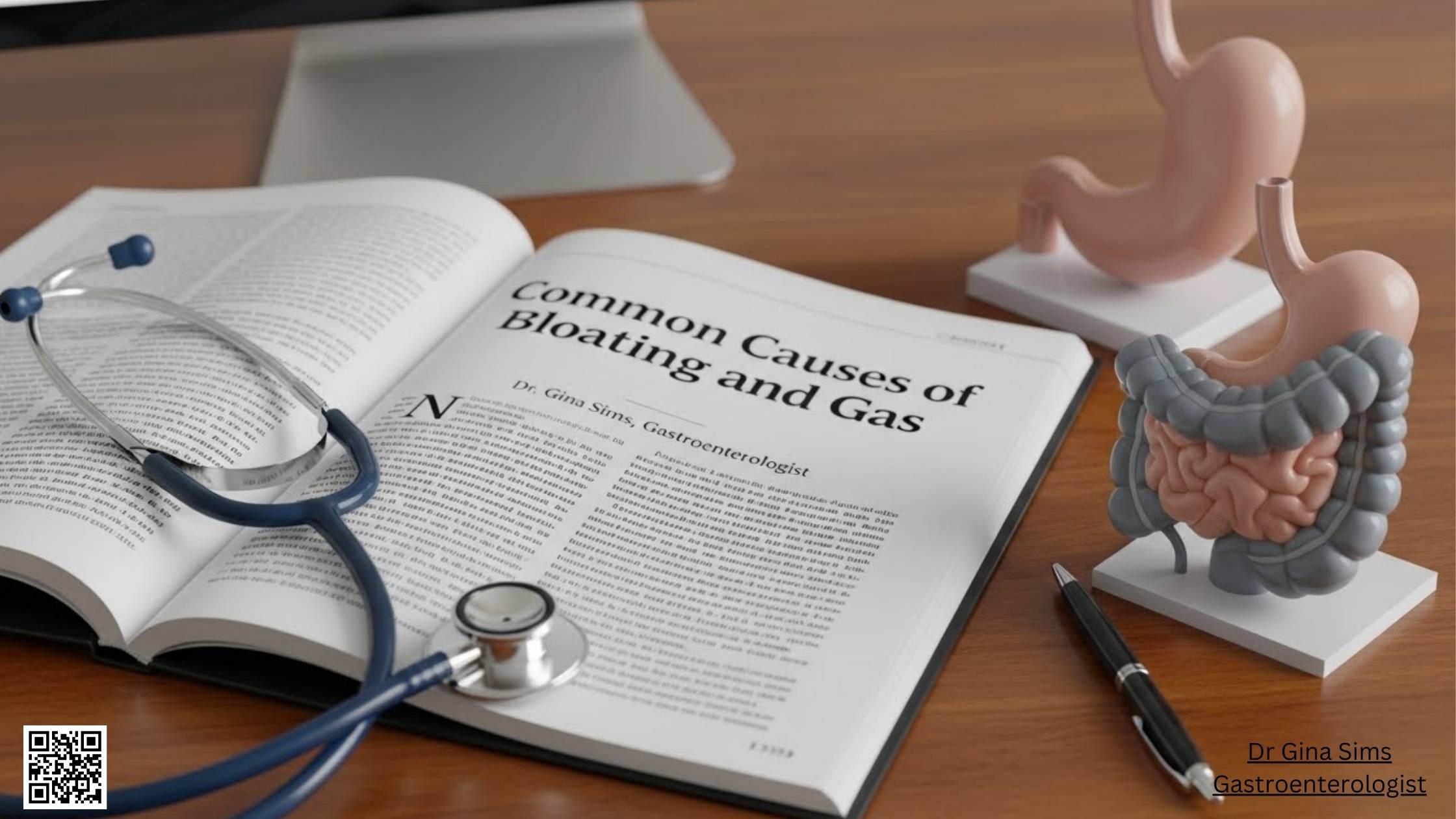
If you feel uncomfortable after meals, notice your abdomen expanding during the day, or experience frequent belching or flatulence, you are not alone. These symptoms are among the most common reasons people seek gastroenterology care in New York City.
Why Bloating and Gas Are So Common Today
Bloating complaints have increased steadily over the last two decades. This rise is closely linked to changes in diet, eating speed, stress levels, and gut health awareness.
Several everyday habits contribute:
- Larger portion sizes compared to previous generations
- More processed foods with additives and sugar alcohols
- Eating quickly or while distracted
- Sedentary work routines that slow intestinal movement
- Chronic stress affecting gut–brain communication
From a clinical perspective, bloating often develops gradually. Many patients tell me they “just got used to it” before realising it was not normal to feel uncomfortable every day.
How Digestion Normally Produces Gas
Gas is a normal by-product of digestion. Even people with healthy guts produce gas daily.
There are two main sources:
Swallowed Air
We swallow air when we:
- Eat quickly
- Talk while chewing
- Drink carbonated beverages
- Chew gum or suck on sweets
Most swallowed air exits through burping, but some passes into the intestines.
Bacterial Fermentation
Gut bacteria break down carbohydrates that are not fully digested in the small intestine. This process releases gases such as hydrogen, methane, and carbon dioxide.
In balanced digestion, this gas moves through and exits without discomfort. Problems arise when gas becomes excessive or trapped.
Dr Gina Sims Gastroenterologist on Food-Related Causes of Bloating
Food is one of the most frequent triggers I see in practice. Certain foods are healthy but harder for some people to digest.
High-FODMAP Foods
FODMAPs are fermentable carbohydrates that draw water into the intestines and ferment quickly.
Common examples include:
- Onions and garlic
- Beans and lentils
- Wheat-based products
- Apples, pears, and stone fruits
- Milk and soft cheeses
Not everyone reacts to the same foods. Two patients can eat the same meal and have very different symptoms.
Lactose Intolerance
Lactose intolerance occurs when the body lacks enough lactase enzyme to break down milk sugar.
Symptoms often include:
- Abdominal bloating
- Gas and cramping
- Loose stools after dairy
This condition becomes more common with age, even in people who tolerated dairy earlier in life.
Fructose Malabsorption
Fructose is found in fruit, honey, and high-fructose corn syrup. When poorly absorbed, it feeds gut bacteria and leads to gas production.
Patients often notice symptoms after fruit juices, smoothies, or sweetened drinks.
Digestive Motility and Its Role in Gas Build-Up
Motility refers to how efficiently food and gas move through the digestive tract.
Slow Transit
When intestinal movement slows, gas lingers longer and stretches the bowel walls.
Common causes include:
- Low physical activity
- Dehydration
- Certain medications
- Hypothyroidism
Patients with constipation frequently report bloating as their main complaint, sometimes more than infrequent stools.
Functional Bloating
Some individuals have normal test results but experience visible abdominal distension. This is often linked to abnormal muscle coordination in the abdominal wall rather than excess gas alone.
Gut Bacteria Imbalance and Gas Production
The gut microbiome plays a major role in gas symptoms.
Small Intestinal Bacterial Overgrowth (SIBO)
SIBO occurs when bacteria that normally live in the colon migrate into the small intestine.
This leads to:
- Early fermentation of food
- Excess gas soon after eating
- Bloating that worsens throughout the day
In clinical settings, SIBO is diagnosed using breath testing and treated with targeted antibiotics or dietary adjustments.
Antibiotic History
Repeated antibiotic use can disrupt bacterial balance. Some patients notice bloating begin after treatment for unrelated infections.
Dr Gina Sims Gastroenterologist Explains Hormonal Influences
Hormones strongly affect digestion, especially in women.
Menstrual Cycle Changes
Fluctuations in progesterone and estrogen can slow gut movement before menstruation.
This often causes:
- Increased bloating
- Water retention
- Constipation-related discomfort
Pregnancy and Perimenopause
Hormonal shifts during these stages frequently alter digestion. Many women report bloating even without dietary changes.
Explore: Dr Gina Sims Gastroenterologist Explains When Digestive Symptoms Need Medical Attention
Medical Conditions Linked to Persistent Bloating
While most bloating is functional, some cases require further evaluation.
Irritable Bowel Syndrome (IBS)
IBS is one of the most common diagnoses associated with bloating.
Key features include:
- Bloating with pain relief after bowel movements
- Alternating constipation and diarrhoea
- Symptoms linked to stress or meals
Celiac Disease
An autoimmune reaction to gluten that damages the small intestine.
Symptoms may include:
- Chronic bloating
- Iron deficiency
- Weight loss or fatigue
Inflammatory Bowel Disease
Conditions such as Crohn’s disease or ulcerative colitis can cause bloating, especially during flares.
Common Causes of Bloating and How They Present
| Cause | Typical Symptoms | When to Investigate |
| Food intolerance | Bloating after meals | Persistent or worsening |
| Slow motility | Fullness, constipation | Long-standing symptoms |
| SIBO | Gas soon after eating | Recurrent bloating |
| IBS | Pain with bloating | Quality of life impact |
| Hormonal changes | Cyclical bloating | Pattern-based symptoms |
Dr Gina Sims Gastroenterologist on Lifestyle Triggers
Beyond food and medical issues, daily habits matter.
Eating Speed
Eating quickly increases swallowed air and overwhelms digestion.
Stress and the Gut-Brain Axis
Stress alters nerve signals between the brain and gut. Many patients notice bloating worsen during high-pressure periods.
Poor Sleep
Sleep disruption affects digestive hormones and gut bacteria balance.
When Bloating Should Not Be Ignored
Although bloating is common, certain signs require prompt evaluation.
Seek medical advice if bloating is accompanied by:
- Unintentional weight loss
- Persistent vomiting
- Blood in stools
- Anaemia
- Night-time symptoms
These may indicate conditions needing further testing.
How Dr Gina Sims Gastroenterologist Approaches Diagnosis
In my practice, evaluation starts with listening carefully to symptom patterns.
This includes:
- Timing of bloating during the day
- Relation to meals or stress
- Stool consistency and frequency
- Medication history
Testing may involve blood work, breath tests, imaging, or endoscopy depending on individual risk factors.
Practical Ways to Reduce Bloating Day to Day
Many patients find relief with small, consistent changes.
Helpful strategies include:
- Eating slowly and chewing thoroughly
- Drinking water between meals rather than during
- Walking after meals to encourage gas movement
- Keeping a food and symptom journal
These steps help identify personal triggers rather than relying on guesswork.
Why Individualised Care Matters
No single diet or supplement works for everyone. Two people with identical symptoms may have completely different underlying causes.
As Dr Gina Sims Gastroenterologist, I focus on tailored evaluation rather than blanket restrictions. Removing too many foods without guidance can worsen nutrition and stress digestion further.
Final Thoughts on Bloating and Gas
Bloating and gas are uncomfortable but often manageable once the cause is understood. They reflect how your digestive system responds to food, bacteria, hormones, and lifestyle factors.
With proper assessment, most patients can reduce symptoms significantly and regain confidence in eating and daily activities. The key is recognising that persistent bloating is not something you need to tolerate or self-diagnose indefinitely.