Sports hernias, or athletic pubalgia, can cause strong pain that stops athletes from playing. This injury happens during quick movements like turning, twisting, or sprinting in sports such as football, soccer, or hockey. Unlike regular hernias, it involves small tears or strains in the muscles around the groin or lower belly.
Many athletes look for ways to heal without surgery, and Traditional Chinese Medicine (TCM) can help. TCM uses natural methods that focus on reducing pain and helping the body recover.
Treatments like acupuncture, herbal medicine, and cupping have been used for hundreds of years. Acupuncture helps relieve pain and reduce swelling. Herbal medicine supports muscle and tendon healing, and cupping improves blood flow to help muscles repair faster. With TCM, athletes can recover more naturally and get back to doing what they love.
Understanding Sports Hernias
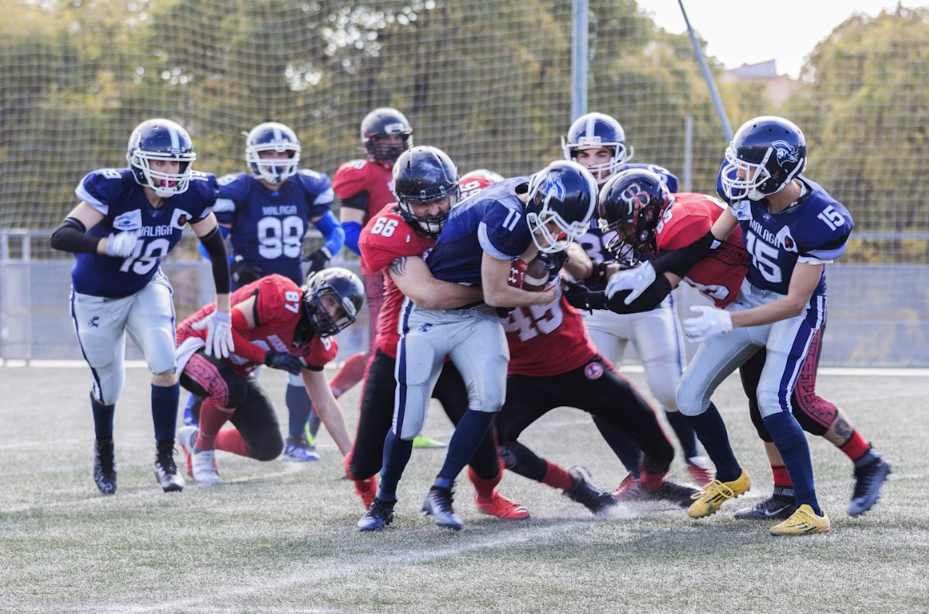
A sports hernia, often called athletic pubalgia in the medical field, stands apart from what most people know as a classic hernia. Instead of an organ poking through the surrounding tissue, this kind of injury strikes when there’s a sudden twist or sharp movement—something athletes in football, rugby, and soccer know all too well.
Here, the real problem is torn soft tissue deep in the groin, and that brings a level of pain you can’t just brush off. You won’t see a bulge like you would with a typical hernia. That said, leaving a sports hernia untreated isn’t a great idea. Over time, it can become an inguinal hernia, which might show up as a noticeable lump where the tissue has split further.
Sports hernias are tied to the intense physical demands of certain sports. Moves involving fast direction changes, forceful kicks, or twists put serious pressure on the pelvis and lower abdomen. This repeated pressure can rip muscles or tendons, leading to lasting groin pain. If ignored, it risks turning into an ongoing issue that could even end an athlete’s career early.
Traditional Chinese Medicine (TCM) for Sports Hernias
Acupuncture
Acupuncture is a go-to method in Traditional Chinese Medicine for easing pain and calming inflammation, and it’s especially handy for sports injuries. This treatment involves placing ultra-fine needles at certain points on your body—the idea is to get your “qi” (energy) flowing smoothly again.
When the energy flows freely, blood circulation improves and those stiff, sore areas can start to loosen up. Acupuncture is well-known for reducing pain and swelling, so it’s often used for issues like sprained ankles or aching shoulders after a rough game.
By boosting blood flow to the injured area, acupuncture helps rush nutrients and oxygen to your sore muscles, which your body needs for proper healing.
There’s more to it than just targeting one spot. Acupuncture also has an effect on the nervous system, helping your body release endorphins—those handy, feel-good chemicals that act as natural painkillers. Sometimes, relief can be felt right away, and muscles may relax almost immediately.
Less swelling and less pain mean your body can get back to a sense of balance, which matches the whole-person philosophy behind TCM. Acupuncture doesn’t just take the edge off right now, it can help your body stay strong in the future, cutting down the chances of re-injury and keeping athletes in the game longer.
Herbal Medicine
Chinese herbal medicine plays a key part in helping athletes manage pain and heal, especially when dealing with sports hernias. These remedies use the body’s own healing power and are often matched closely with how each person presents, based on what a practitioner finds during a thorough look at symptoms and general health.
Every herbal mix is made with the specific needs of the athlete in mind. Some help muscles and tendons bounce back after strain, while others come in handy during rehab after surgery. These natural combinations work by supporting the body as it repairs itself, easing pain and cutting down inflammation at the same time.
This approach blends seamlessly with physiotherapy, helping recovery move along faster. The bonus? It can get athletes back to training swiftly and help keep setbacks to a minimum. By treating each case individually, Chinese herbal medicine gives athletes a real chance at getting back to full fitness without added worries about future injuries.
Cupping Therapy
Cupping therapy has caught the attention of athletes everywhere, and it’s easy to see why. This approach involves placing suction cups on the skin, which then pulls the skin up and draws blood into the area. That extra blood flow isn’t just a science experiment – it’s helping carry oxygen and nutrients straight to sore or tired muscles, giving them what they need to recover.
Cupping is particularly useful for athletes dealing with sports injuries. The treatment can help clear out waste products that build up in tired muscles after a tough session. Once these are flushed away, fresh nutrients get in, helping the body repair and rebuild tissues more quickly.
The tell-tale red circles, famously spotted on swimmers during the Rio 2016 Olympics, aren’t just for show. They mark where the cups have been at work, and their presence has become almost a badge of honour for those using cupping as part of their routine.
Improved blood flow from cupping doesn’t just help with soreness. It can also ease muscle tightness and may speed up healing in overworked or damaged areas. No wonder so many athletes now count cupping as part of their recovery toolkit.
TCM Massage (Tuina)
Tuina, a traditional Chinese massage technique, is all about helping your body move better and feel less stiff. It focuses on your muscles, tendons, and ligaments—the bits that like to tighten up after a tough match or a hard day.
By using skilled hands, the practitioner might knead, press, roll, or stretch your soft tissues. This hands-on approach is great for loosening up muscles, breaking up scar tissue, and making painful spots less troublesome so you can keep moving comfortably.
Tuina is popular among athletes who want quicker recovery and less pain, but you don’t need to be a seasoned pro to benefit. Anyone with muscle aches or tight joints can feel the difference. The best part is that Tuina doesn’t just ease pain on the surface. The techniques often focus on specific areas where energy, or “qi,” gets blocked, helping to clear those pathways and support your body’s natural repair system.
Alongside better flexibility and less soreness, Tuina gets your blood flowing to areas that could use a bit more attention. With improved circulation comes a faster healing process, which can make a real difference for anyone eager to get back to their favourite activities with more strength and less risk of re-injury.
Benefits of TCM Approach
Traditional Chinese Medicine works by looking at your entire system, not just isolated symptoms. If something’s wrong, TCM tries to figure out why, rather than simply quieting the pain for a while. This means a practitioner will pay attention to how you feel emotionally, how you live day to day, and even what’s going on around you—because all of these can play a part in your recovery and future wellbeing.
By aiming for balance within the body, TCM assists in preventing injuries from returning and builds a foundation for lasting wellness—rather than only chasing short-term relief. This is incredibly helpful for conditions like sports hernias, where ongoing health is often as important as immediate recovery, highlighting the importance of understanding the role of Chinese medicine in treating sports hernias.
One of TCM’s biggest strengths is its use of natural therapies that boost the body’s natural healing response. Things like acupuncture and herbal remedies help the body repair injured tissues, ease pain, and improve movement—without needing surgery or synthetic medication. This means less downtime for athletes, and often a smoother road back to training and competing.
By focusing on rebuilding strength, reducing pain, and improving flexibility, TCM doesn’t just help during recovery—it supports athletes in keeping their bodies strong and less likely to get hurt again.
Preventive and Long-term Benefits of TCM for Athletes
Keeping up with Traditional Chinese Medicine treatments can do more for athletes than just help after an injury. With regular sessions of acupuncture, cupping, or TCM massage, muscles and joints stay flexible and healthy. In simple terms, this means aches and strains are less likely to pop up when things get competitive.
The key to TCM’s way of working is its focus on building the body’s overall strength and flexibility. Acupuncture increases blood flow and helps keep the body’s energy, or “qi,” on track. Better circulation not only speeds up recovery if there’s a niggle or strain, but it also helps muscles bounce back stronger and better prepared for the next round.
TCM massage, known as Tuina, gets deep into the muscle and joint areas to keep everything moving smoothly. It’s popular with athletes for a good reason: fewer injuries, more mobility, and a body that can cope with tough sessions.
Looking at the long haul, TCM is all about prevention. By figuring out what’s really causing any weak spots, this approach helps athletes reach their best level—and stay there. Over time, you end up with fewer injuries, quicker recovery, and all-around better health, so athletes can focus on giving their top performance year after year.
Source: https://drginasam.net/