Family memories are more than just stories or snapshots—they’re anchors that connect us to our roots and remind us of who we are. In today’s fast-paced world, it’s easy to overlook the importance of preserving those moments. But the act of holding onto family history doesn’t just create keepsakes; it also supports emotional wellness, strengthens bonds, and provides a sense of continuity across generations.
Why Memories Matter for Mental Health
Looking back at family milestones can offer more than nostalgia—it can provide comfort, stability, and resilience. When people reflect on their shared past, they often find reassurance during stressful or uncertain times. Memories act like a gentle reminder that life is filled with joyful chapters, not just challenges.
Research also suggests that recalling positive life events can enhance mood and overall mental well-being. In fact, the American Psychological Association notes that reminiscing can improve mood, reduce stress, and even strengthen a person’s sense of identity.
Creating Tangible Keepsakes
While digital photos dominate today’s world, there’s something powerful about holding a memory in your hands. Physical keepsakes like custom photo books, handwritten letters, or framed photographs offer a more intimate connection than scrolling through a phone. They make family history accessible in a way that encourages togetherness.
Gathering around a photo album sparks conversations, laughter, and often stories that may never have been shared otherwise. These experiences build family cohesion and help children understand their heritage in meaningful ways.
Everyday Wellness Benefits
Preserving family memories can have lasting benefits for wellness. Some of the ways it supports overall health include:
- Reducing stress – Looking at happy moments helps counteract daily pressures.
- Boosting connection – Shared memories deepen bonds among family members.
- Encouraging gratitude – Reflecting on milestones builds appreciation for life’s journey.
- Strengthening resilience – Remembering past challenges overcome fosters confidence in facing future struggles.
- Supporting brain health – Memory exercises, like recalling events or labeling old photos, can help keep the mind sharp.
These benefits show that memory-keeping is more than sentimental—it’s therapeutic.
Passing Stories Across Generations
Preserving memories isn’t only for those who lived them; it’s also a gift for the next generation. Children and grandchildren who learn family stories often feel more grounded. Knowing where they come from helps them navigate where they’re going.
Family traditions, old photographs, and even preserved recipes can give younger generations a sense of belonging. This intergenerational sharing nurtures empathy and keeps family culture alive.
Simple Ways to Preserve Memories
The process of preserving memories doesn’t have to be overwhelming. A few simple steps can help families keep their history alive:
- Record short videos of family gatherings
- Write down family stories or anecdotes
- Digitize old photographs to protect them from fading
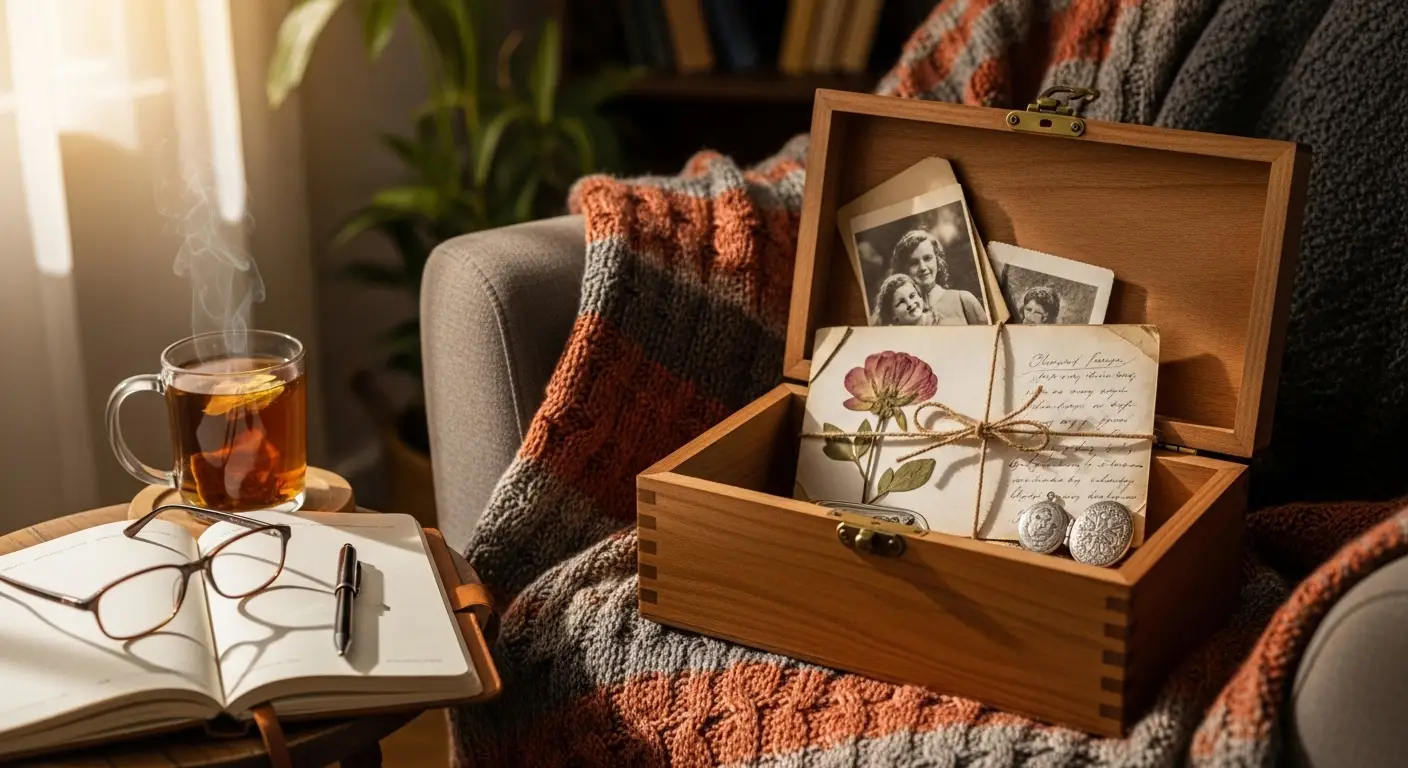
- Create memory boxes with keepsakes like ticket stubs, letters, or artwork
- Design a family timeline or scrapbook to highlight milestones
Even small efforts create lasting impacts that families will treasure for decades.
Final Thoughts
Family memories hold more than sentimental value—they’re vital to emotional wellness, resilience, and connection. Preserving those memories, whether through photographs, keepsakes, or storytelling, helps families stay grounded while moving forward.
By taking the time to protect and share your family’s history, you’re not just saving stories—you’re fostering health, gratitude, and unity across generations.
Source: Dr. Gina Sam