
Most people have experienced it at some point: a heavy, greasy meal that leaves you sluggish, or a fresh, balanced lunch that helps you stay focused and energized. While these short-term effects are familiar, the connection between food and mood runs much deeper than simple “energy highs” or “food comas.” Modern research shows that what you eat can directly influence how you feel emotionally, mentally, and even how resilient you are to stress.

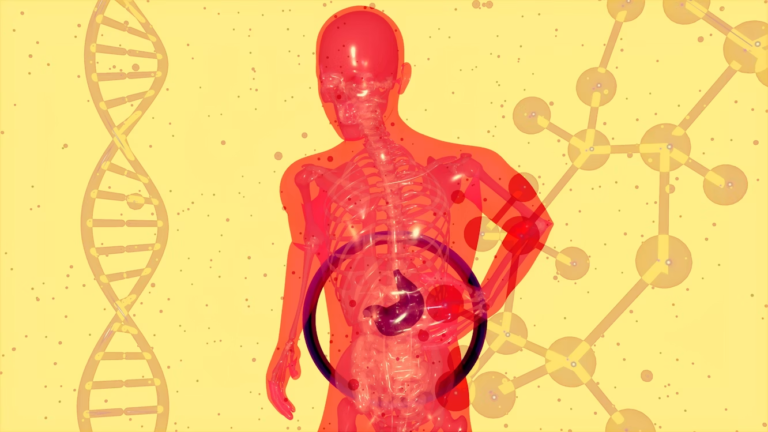
At the center of this relationship is a complex communication system often called the gut-brain connection. Your brain and digestive system are in constant contact through nerves, hormones, and chemical messengers. One of the key players in this system is Serotonin, much of which is actually produced in the gut rather than the brain. This helps explain why digestive health and mental well-being are so closely linked.
Another major influence is the Gut microbiome. These bacteria, fungi, and other microbes play a role in digestion, immune function, and even brain chemistry. When the microbiome is balanced, it supports stable mood and cognitive function. When it is disrupted—often by poor diet, stress, or lack of sleep—people may experience increased anxiety, fatigue, or low mood.
Food as Fuel for the Brain
The brain is an energy-intensive organ, using around 20% of the body’s calories. That means the quality of your food directly affects how well your brain performs. Diets rich in whole foods—fruits, vegetables, lean proteins, and healthy fats—provide a steady supply of nutrients that support neurotransmitter production and brain cell function.
For example, foods rich in omega-3 fatty acids, such as salmon, walnuts, and flaxseeds, are essential for brain health. These fats help maintain the structure of brain cells and support communication between neurons. On the other hand, diets high in refined sugar can lead to rapid spikes and crashes in blood glucose levels, which may result in irritability, fatigue, and difficulty concentrating.
Blood sugar stability plays a crucial role in emotional balance. When blood sugar drops too quickly, the body releases stress hormones like cortisol and adrenaline. This can create feelings of anxiety, shakiness, or irritability. Eating balanced meals that combine protein, fiber, and healthy fats helps prevent these fluctuations and keeps mood more stable throughout the day.
The Role of the Gut in Emotional Health
The gut is sometimes called the “second brain” because of its dense network of nerves and its ability to produce neurotransmitters. A significant portion of Serotonin is produced in the digestive tract, which means gut health has a direct impact on emotional well-being.
When the Gut microbiome is nourished with fiber-rich foods such as vegetables, legumes, and whole grains, it produces beneficial compounds called short-chain fatty acids. These compounds reduce inflammation and support brain function. In contrast, diets high in processed foods and low in fiber can reduce microbial diversity, which has been linked to increased risk of mood disorders.
Fermented foods like yogurt, kefir, kimchi, and sauerkraut also support gut health by introducing beneficial bacteria. These foods can help restore balance in the microbiome and may contribute to improved mood and reduced stress levels over time.
Ultra-Processed Foods and Mood Swings
Highly processed foods—such as sugary snacks, fast food, and packaged baked goods—are often high in refined carbohydrates, unhealthy fats, and additives. While convenient, these foods can negatively affect both physical and mental health.
Frequent consumption of ultra-processed foods has been associated with increased inflammation in the body. Chronic inflammation may interfere with brain function and has been linked to symptoms of depression and anxiety. These foods also tend to lack essential nutrients that support brain chemistry, creating a cycle where the body receives energy but not the building blocks needed for stable emotional health.
Additionally, artificial sweeteners and food additives may disrupt gut bacteria, further impacting the gut-brain connection. Over time, this can influence mood regulation, energy levels, and even sleep quality.
Hydration and Mental Clarity
Water is often overlooked in discussions about mental health, yet even mild dehydration can affect mood and cognitive performance. The brain depends on proper hydration to maintain concentration, memory, and emotional balance. When you are dehydrated, you may feel tired, irritable, or mentally foggy.
Caffeine and sugary drinks can sometimes mask dehydration temporarily, but they are not substitutes for water. Consistently drinking enough fluids throughout the day supports both physical and mental clarity.
Practical Ways to Eat for Better Mood
Improving the connection between diet and emotional health does not require strict rules or complicated diets. Instead, small, consistent habits can make a meaningful difference:
- Focus on whole foods such as fruits, vegetables, whole grains, and lean proteins. A balanced approach can also include occasional treats or specialty items like a caviar sampler set, enjoyed mindfully as part of a varied diet.
- Include healthy fats like nuts, seeds, and fish
- Add fermented foods to support gut balance
- Limit highly processed snacks and sugary drinks
- Stay hydrated throughout the day
- Eat regular meals to maintain stable blood sugar
These habits support both the brain and gut, helping create a more stable foundation for emotional well-being.
Conclusion
The relationship between food and mood is not just a theory—it is a biological reality shaped by complex interactions between the brain, gut, and body. Through systems like the Gut microbiome and neurotransmitters such as Serotonin, what we eat influences how we think and feel every day.
While food is not the only factor in emotional health, it is one of the most powerful and accessible tools we have. By choosing balanced, nutrient-rich meals and reducing reliance on heavily processed foods, people can support not only their physical health but also their emotional resilience and mental clarity.