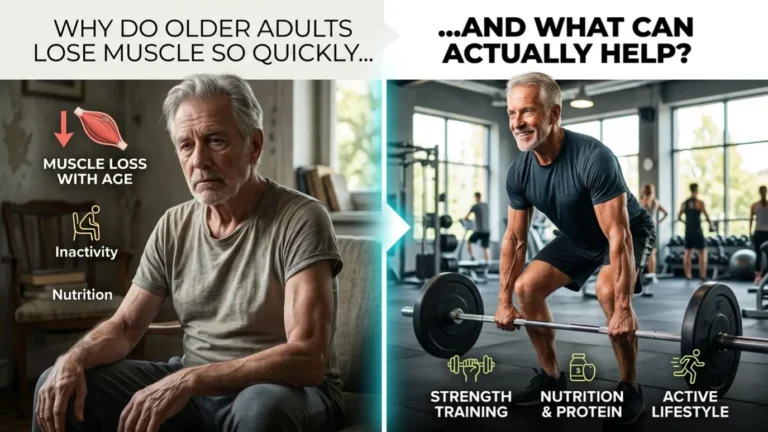

Recovering from long COVID can be a slow and frustrating process, especially for individuals who were previously active and healthy. Many people experience lingering fatigue, muscle weakness, and reduced stamina that interfere with daily life and physical performance. Understanding Long COVID long term disability is an important first step in recognizing why recovery may take longer than expected and why a structured, nutrition-first approach is essential for rebuilding strength safely and sustainably.
Understanding How Long COVID Impacts Physical Strength
Long COVID often affects the body in ways that are not immediately visible but deeply disruptive. Persistent inflammation, nervous system disruption, and reduced oxygen efficiency can all contribute to muscle weakness and rapid exhaustion during physical activity. These symptoms make it difficult to return to pre-illness fitness levels without experiencing setbacks.
Muscle loss may also occur due to extended periods of inactivity during illness and recovery. When the body is under prolonged stress, it prioritizes survival over muscle maintenance, leading to decreased strength and endurance. This makes targeted nutrition and gradual rehabilitation critical components of recovery.
Why Nutrition Should Come Before Intense Exercise
Many people are eager to resume exercise as soon as possible, but pushing too hard too soon can worsen symptoms. Without adequate nutritional support, the body lacks the building blocks needed to repair muscle tissue and regulate inflammation. A nutrition-first strategy helps prepare the body for physical activity by stabilizing energy levels and supporting cellular recovery.
Proper nutrition also plays a role in hormone balance and immune regulation, both of which can be disrupted after COVID. Supporting these systems with food helps the body respond better to gentle physical activity over time. This approach reduces the risk of crashes and promotes steady progress.
Protein Intake and Muscle Recovery After Long COVID
Protein is essential for rebuilding muscle and restoring strength after prolonged illness. During recovery, the body requires higher-quality protein sources to repair damaged tissue and prevent further muscle loss. Spreading protein intake evenly throughout the day can improve absorption and support continuous muscle repair.
Individuals recovering from long COVID may have reduced appetite or digestive sensitivity. Choosing easily digestible protein sources and pairing them with balanced meals can help meet nutritional needs without overwhelming the system. Consistency is more important than quantity when rebuilding strength gradually.
Managing Inflammation Through Diet
Chronic inflammation is a common issue for people experiencing long COVID symptoms. Certain foods can help regulate inflammatory responses and support overall healing. A diet rich in whole foods, healthy fats, and antioxidant-rich ingredients can help the body manage lingering inflammation.
Reducing highly processed foods and excessive added sugars may also improve energy stability. These dietary adjustments can support the immune system while creating a more favorable environment for muscle recovery and physical rehabilitation.
Supporting Energy Levels and Reducing Fatigue
Fatigue is one of the most reported long COVID symptoms and can persist even with adequate rest. Stable energy levels depend on balanced meals that include carbohydrates, proteins, and fats in appropriate proportions. Skipping meals or relying on quick energy sources may lead to crashes that interfere with recovery.
Hydration also plays a critical role in managing fatigue and supporting circulation. Adequate fluid intake helps transport nutrients to muscles and supports overall metabolic function. Small, consistent improvements in energy can make a significant difference in daily activity tolerance.
Reintroducing Physical Activity Safely
Once nutritional foundations are in place, gentle movement can be reintroduced gradually. Low-impact activities such as walking, stretching, or light resistance exercises help stimulate muscle engagement without overwhelming the body. Listening to physical cues and allowing rest days is essential during this phase.
Progress should be measured over weeks rather than days. Recovery is rarely linear, and occasional setbacks do not indicate failure. Combining nutrition with patient, adaptive movement supports long-term strength gains without triggering symptom flare-ups.
Long-Term Recovery and Sustainable Strength Building
Rebuilding strength after long COVID requires a long-term mindset. Recovery timelines vary widely, and comparing progress to others can be discouraging. Establishing realistic goals and focusing on functional improvements rather than performance metrics can help maintain motivation.
Ongoing nutritional support remains important even as physical capacity improves. Continued attention to protein intake, inflammation management, and energy balance allows the body to adapt safely. With time and consistency, many individuals regain strength and confidence in their physical abilities.
Conclusion
Rebuilding strength after long COVID is not about returning to previous routines as quickly as possible, but about supporting the body through a thoughtful, nutrition-first recovery plan. By prioritizing proper nourishment, managing inflammation, and reintroducing movement gradually, individuals can rebuild muscle and endurance without unnecessary setbacks. A patient and informed approach offers the best chance for sustainable recovery and long-term well-being.