

When you push your body during a rigorous workout or recover from a sudden physical setback, you likely focus on stretching, sufficient sleep, and targeted mobility exercises. However, your digestive tract plays an equally vital role in how well your body bounces back from exertion. The biological connection between your gastrointestinal tract and your muscular system is a fascinating and rapidly expanding area of medical science. By understanding this relationship, you can improve your athletic resilience, boost your energy levels, and ensure that your tissues heal properly after trauma.
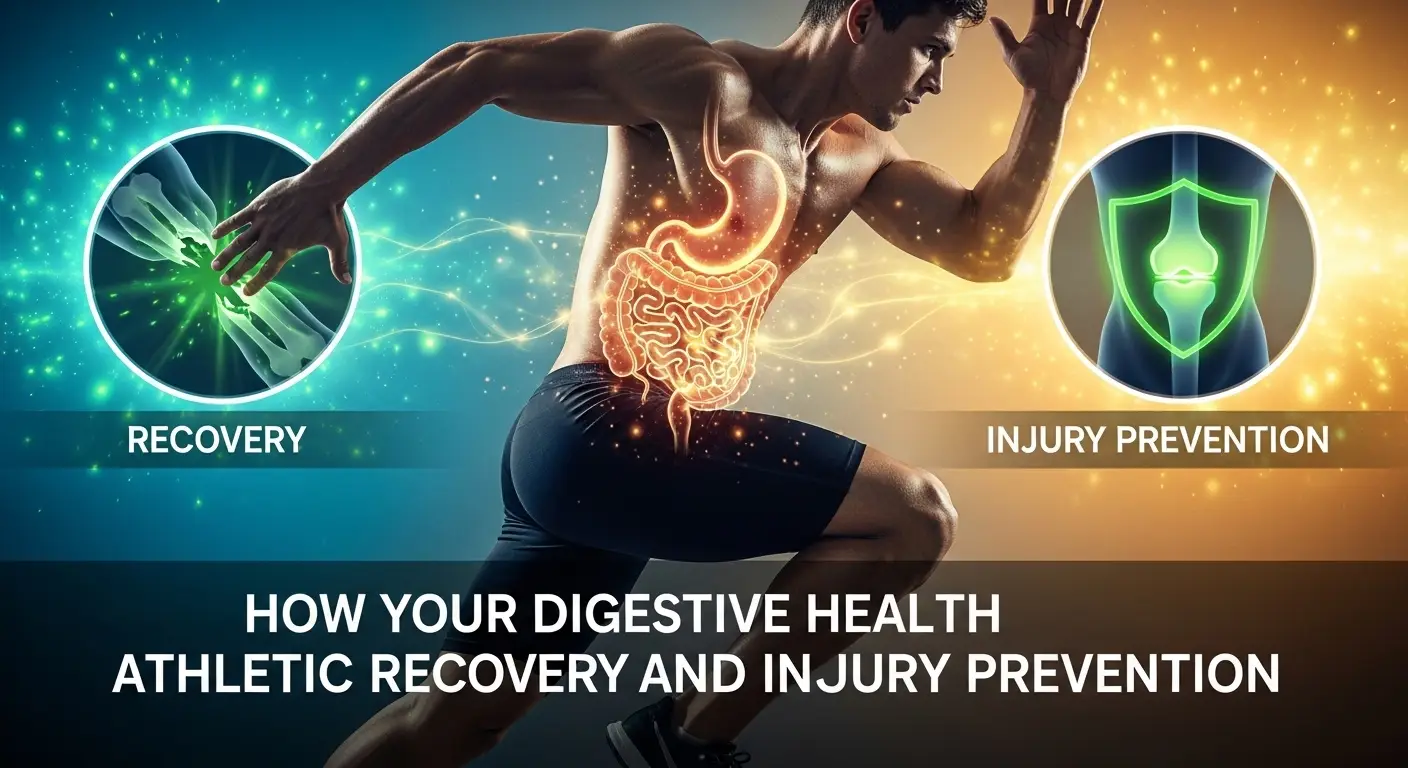
The Nutritional Foundation of Tissue Repair
Every time you exercise, you create micro-tears in your muscle fibres. To rebuild these fibres and strengthen your tendons, your body requires a constant, steady supply of proteins, vitamins, and minerals. Your stomach and intestines are entirely responsible for breaking down the food you eat and extracting these crucial nutrients for systemic distribution throughout your body. If your digestive system is compromised, your physical recovery will inevitably suffer.
When discussing how poor gut health limits physical rehabilitation, it is important to recognise that seeking targeted care for chronic digestive symptoms is a vital part of overall wellness. Chronic symptoms often cause malabsorption, depriving your body of the essential building blocks needed to heal injuries efficiently. When your digestive health is optimal, your body can efficiently process the fuel required for cellular repair. Conversely, patients dealing with irritable bowel syndrome (or IBS) or persistent acid reflux may find that their progress stalls, simply because their bodies cannot access the nutrients needed for muscular regeneration and strength building.
Systemic Inflammation and Physical Rehabilitation
A healthy gut does more than just absorb nutrients for your muscles. It also serves as a critical protective barrier against pathogens. When this barrier is inflamed or weakened, it can trigger a defensive immune response that circulates throughout your entire body. This systemic inflammation is a major roadblock for athletes and active individuals who want to stay fit and avoid recurring setbacks.
If you are seeking targeted musculoskeletal care at a sports injury clinic, your rehabilitation programme will be far more effective if your underlying systemic inflammation is securely under control. Excessive inflammation causes joints to ache, prolongs muscle soreness, and delays the natural healing process significantly. Physiotherapists and rehabilitation specialists frequently observe that patients with unmanaged digestive distress take much longer to recover from routine sprains, strains, and tears. Addressing the root cause of gastrointestinal discomfort ensures that your immune system can focus entirely on repairing damaged tissues, rather than fighting fires in your gut.
The Science Behind the Gut-Muscle Axis
The connection between your microbiome and physical healing is not merely a scientific theory. Modern medical research has uncovered a direct, powerful communication network between gut bacteria and skeletal muscle function.
According to a remarkable discovery by Harvard Medical School, gut microbes actively drive the production of specialised immune cells known as regulatory T cells (or Tregs). These gut-produced cells travel throughout the body to act as biological sentries, effectively suppressing systemic inflammation and mending damaged muscle tissues. The researchers found that subjects treated with antibiotics to deplete beneficial gut bacteria experienced a much harder time recovering from muscle injuries. They suffered from prolonged inflammation and inferior tissue repair that ultimately resulted in permanent muscle scarring and reduced mobility.
This clinical evidence highlights that a diverse, thriving gut microbiome is biologically necessary for repairing damaged muscles. Without the correct balance of bacteria in your digestive tract, your immune system cannot deploy the vital cells needed to regulate inflammation during physical therapy sessions.
Strategies for Harmonising Digestion and Recovery
Optimising your digestive function is a fundamental prerequisite for effective physical rehabilitation. By adopting a few targeted lifestyle habits, you can support both your gastrointestinal tract and your muscular system simultaneously, leading to better overall health.
Consider implementing the following daily practices to support systemic wellness:
- Increase dietary fibre: Consume a wide variety of plant-based foods, such as fruits and vegetables, to feed the beneficial microbes that produce healing immune cells.
- Stay adequately hydrated: Drinking plenty of water is essential for maintaining a healthy mucosal lining in the stomach and facilitating the transport of nutrients to fatigued muscles.
- Prioritise chewing: Breaking down food thoroughly in your mouth reduces the mechanical strain on your digestive tract and improves overall nutrient absorption.
- Manage daily stress: High emotional stress levels can disrupt gut motility and alter your microbiome, which consequently hinders your physical recovery.
A Holistic Approach to Healing
Achieving peak physical condition requires a highly comprehensive and dedicated approach to health and wellness. While stretching, hydration, and strength training remain vital components of fitness, your digestive system provides the fuel and the cellular messengers required for true healing. By treating underlying gastrointestinal issues and properly supporting your microbiome, you can protect your body against injury, improve your performance, and maximise the lifelong benefits of your active lifestyle.