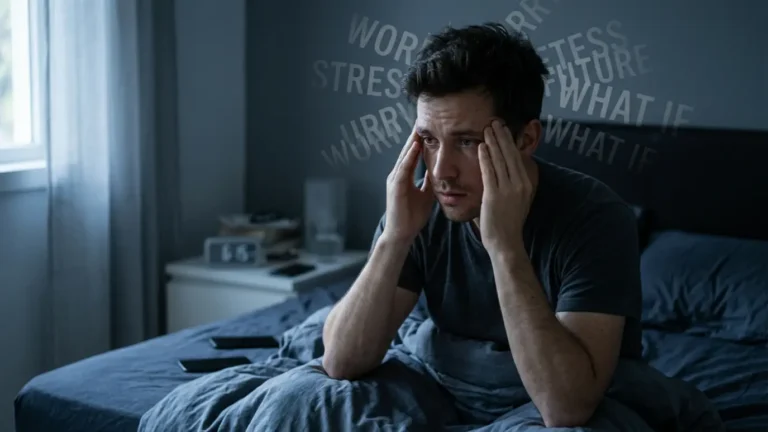

Car crashes leave more than just physical damage.
Bruises heal. Cars can be fixed. However mental trauma…that can linger for months…even years.

Here’s the problem:
Recovery becomes more difficult if the driver who hit you wasn’t insured. All of a sudden you’re faced with paperwork, an uninsured motorist claim and growing bills. On top of that you’re trying to recover from the accident.
That’s a lot for one person to carry.
Filing an uninsured motorist claim is also extremely stressful. The claim can take months. Every minute you spend on the claim is another minute adding stress to your mental anguish. This is where your network steps in. Many crash victims turn to the best auto accident attorney they can trust to take care of the uninsured motorist claim while they work on repairing their mind and body.
In this article you’ll learn how your support system impacts your mental health recovery following a collision and ways you can create one that is effective.
Let’s jump in!
What’s inside this guide:
- The Mental Toll of a Collision
- Why Support Systems Matter So Much
- Types of Support That Help Recovery
- Handling An Uninsured Motorist Claim With Support
The Mental Toll of a Collision
Car crashes are traumatic. Period.
A minor car accident can have you rattled for weeks. Major collisions have the potential to cause actual psychological problems.
Researchers surveyed survivors of road traffic accidents. They discovered some startling statistics. About 32.3% developed PTSD symptoms one month after being in the accident. Another 17.4% exhibited signs of depression. That means tons of people suffer from invisible injuries after their accident.
Common mental health effects after a collision include:
- Post-traumatic stress disorder (PTSD)
- Depression and low mood
- Anxiety and panic attacks
- Travel phobia (fear of driving or being a passenger)
- Sleep problems and nightmares
Left unresolved, problems like these can persist for months. If adequate supports are not established they can even deteriorate before improving.
Disclaimer: Severity of physical injuries sustained during a crash are not indicative of the mental toll it may take. Cars can walk away from wrecks with no physical injuries and still struggle with severe mental health conditions. Take care of your mental health from day one.
Why Support Systems Matter So Much
Now here’s where things get interesting…
Social support is not a “nice to have” following a trauma. It is one of the strongest predictors of recovery after a crash. Research has demonstrated that social support dramatically decreases your likelihood of developing PTSD following a trauma. Social support also allows those with PTSD to recover more quickly.
Think about it:
Having someone to talk to when you’re mentally hurting makes all the difference. You can work through what occurred. You can release your fears. You can feel like someone else is there for you too.
People with strong support systems tend to:
- Recover faster from mental health issues
- Return to work sooner
- Report less chronic pain
- Feel less isolated during their recovery
- Have better long-term outcomes overall
Contrast that with someone who has NO support. They shut down, internalize, and stew in the trauma they continue to experience. It’s isolating….and damaging.
That’s why building a support network should be part of every recovery plan.
Types of Support That Help Recovery
Support can come in many forms. Someone may need emotional support. Someone else might require more practical help. The ideal recovery plan offers a good balance of both.
Here are the main types of support that matter most.
Family Support
Friends and family are typically your first responders. Family can assist with day-to-day tasks that may become difficult following a collision:
- Everyday tasks (cooking, cleaning, errands)
- Emotional check-ins
- Getting to doctor appointments
- Just being there to listen
They’re the safety net that catches you when everything feels overwhelming.
Friends And Community
Friends can provide an escape that family can’t always offer. Time with friends can be a change of scenery. Meeting up for coffee, a movie, or just talking helps take your mind off of the wreck and reminds you that life goes on beyond the accident.
Community groups can also be strong. Churches, sports teams, or any community group can help be part of your support system.
Professional Support
Therapists and counsellors have specialised skills that friends and family cannot offer. Cognitive behavioural therapy (CBT) and exposure therapy are two of the most successful treatments for PTSD caused by accidents.
A mental health professional can help you:
- Work through traumatic memories
- Manage panic attacks
- Rebuild the confidence to drive again
- Develop healthy coping tools
Don’t avoid this step if the trauma is really bothering you. Therapy works – and can often be quicker than trying to go it alone.
Support Groups
Connecting with other crash survivors can be magical. They understand like no one else can. Seek out local or online support groups where people exchange their experiences and advice.
Handling An Uninsured Motorist Claim With Support
Now let’s talk about a factor that makes recovery even tougher…
Getting hit by an uninsured driver.
Insurance Research Council says 15.4% of American drivers lacked auto insurance in 2023. That number jumps even higher — one in three drivers were uninsured or underinsured — 33.4%.
Here’s why it matters for your mental health:
When the negligent driver is uncovered, victims must file an uninsured motorist claim with their own insurance company. Months can pass before a resolution is reached. Bills accumulate. Stress increases. And this is all while you’re trying to recover emotionally.
Financial burden can make recovery from trauma extremely difficult. Struggling with insurance companies can re-traumatize you and hinder the healing process.
The best moves you can make with an uninsured motorist claim:
- File the uninsured motorist claim quickly
- Keep detailed records of everything
- Lean hard on your support system during this time
- Get legal help to reduce the stress load
Dealing with an uninsured motorist claim on your own when you are trying to get better is nearly impossible. Let someone else help shoulder the burden.
Putting It All Together
Getting over an accident isn’t just physical. Your mental wellbeing is important too. Sometimes even more so.
The good news? Support systems are huge. If someone has family, friends, therapists, support groups around them, their odds of making a full mental recovery skyrocket.
To quickly recap:
- Collisions cause real mental health issues, not just physical ones
- Social support directly improves recovery outcomes
- Mix emotional, practical, and professional support for the best results
- An uninsured motorist claim adds extra stress, so don’t handle it alone
It takes effort to build a support system. However, it is the most important thing you can do for your mental recovery from a crash. Begin now.