
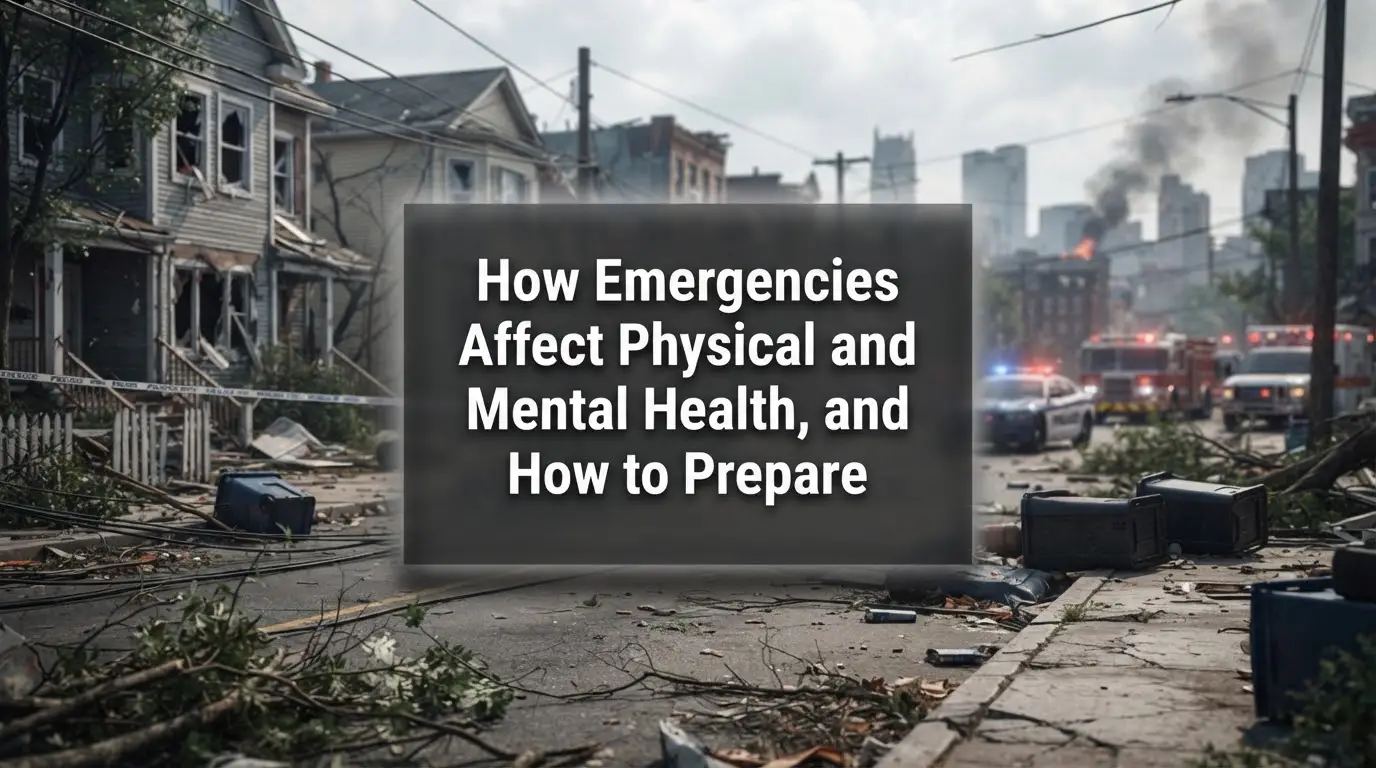
An emergency can affect more than a person’s immediate safety. Severe storms, fires, floods, accidents, and other unexpected events can leave people dealing with injuries, emotional distress, disrupted healthcare, and uncertainty about their future. For those who lose their homes or access to essential services, the effects may continue long after the immediate danger has passed.
Stress, disrupted sleep, and limited access to medical care can also affect recovery. Understanding how emergencies impact physical and mental health highlights the importance of preparation, reliable information, and support. Taking steps to protect your own well-being while knowing how to help others can make a difference during difficult situations.
How Emergencies Affect Physical and Mental Health
Emergency situations can place considerable strain on the body and mind. The effects depend on the type of event, its severity, a person’s existing health, and the support available afterward.
- Physical injuries: Burns, cuts, fractures, dehydration, and injuries from falling debris or unsafe surroundings can occur during emergencies.
- Mental and emotional distress: Fear, anxiety, grief, uncertainty, and feelings of helplessness may affect people who experience or witness traumatic events.
- Interrupted healthcare: Displacement, damaged facilities, or disrupted transportation can make it difficult to access medications, medical appointments, and ongoing treatment.
- Sleep and lifestyle disruptions: Stress, temporary housing, and uncertainty can affect sleep, appetite, daily routines, and overall well-being.
Older adults, children, people with disabilities, and individuals with existing medical conditions may face additional challenges, particularly when essential services become unavailable.
Ways to Protect Your Health During an Emergency
Taking precautions before and during an emergency can help reduce preventable injuries and health complications. Even small steps can make a difference when normal services and routines are disrupted.
- Keep drinking water, essential medications, first aid supplies, and basic hygiene items accessible.
- Follow evacuation instructions and avoid entering flooded areas, damaged buildings, or unsafe environments.
- Use generators, heating equipment, and other appliances according to safety instructions to prevent carbon monoxide poisoning.
- Protect your mental health by staying connected with loved ones, limiting distressing news, and maintaining routines where possible.
- Seek medical attention for serious injuries, breathing difficulties, chest pain, or other urgent symptoms.
People who depend on medical equipment or regular treatment should also consider backup power, transportation arrangements, and emergency contacts.
How to Support People Affected by Emergencies
Protecting your own health during an emergency is only part of the bigger picture. People affected by disasters may also face challenges such as displacement, limited access to food, disrupted medical care, and loss of essential resources. Helping address these needs can support both immediate relief and longer-term recovery.
Supporting relief efforts through organizations such as the American Red Cross is one way to help people facing these circumstances. Individuals can contribute in several meaningful ways:
- Support disaster relief: Financial contributions can help humanitarian organizations provide assistance to people affected by emergencies.
- Volunteer your time: Volunteers may help with disaster response, community support, blood drives, and other activities, depending on the organization’s needs.
- Donate blood: Blood donations help patients requiring transfusions following accidents, medical emergencies, and other health conditions.
- Share reliable information: Spreading emergency preparedness guidance and information about available relief resources can help people make informed decisions.
These efforts can help communities respond to immediate needs and support individuals and families as they work toward recovery.
Supporting Mental Health After an Emergency
Recovering from an emergency can take time, especially for people who have experienced injury, loss, displacement, or trauma. Emotional support can play an important role in helping individuals cope.
- Listen without judgment: Allow people to express their feelings without pressuring them to feel better immediately.
- Offer practical assistance: Helping with meals, transportation, essential errands, or temporary needs can ease everyday difficulties.
- Encourage social connections: Reconnecting with friends, family, and trusted community members may help people feel less isolated.
- Respect their recovery process: Everyone responds differently to stressful events, and recovery may take time.
- Encourage professional support: If distress becomes overwhelming or interferes with daily life, consider seeking help from a healthcare professional.
Children may also need reassurance, age-appropriate explanations, and a sense of routine to help them feel secure after a frightening experience.
How to Prepare for Future Emergencies
Preparation can help individuals, families, and communities respond more confidently when unexpected events occur. Keeping emergency supplies ready, learning basic first aid, identifying evacuation routes, and establishing communication plans can reduce uncertainty.
The CDC’s disaster coping guidance also highlights the importance of caring for yourself, staying connected, taking breaks, and seeking support when needed.
Being prepared also means understanding the needs of people around you. Checking on neighbors, particularly older adults or those who may need additional assistance, can help build stronger and more resilient communities.
Conclusion
Emergencies can affect physical health, mental well-being, and access to essential services. Protecting yourself, preparing in advance, and supporting people affected by disasters are all important parts of recovery. Through practical preparedness, community involvement, and humanitarian assistance, individuals can help reduce the impact of emergencies and support those facing difficult circumstances.
Frequently Asked Questions
What should you include in an emergency contact list?
Include phone numbers for family members, emergency services, healthcare providers, and trusted contacts. Keep a printed copy in your emergency kit in case your phone loses power or connectivity.
How often should you check your emergency supplies?
Check your emergency supplies at least every six months. Replace expired food, medications, batteries, and other items to ensure they remain usable.
How can families help children feel prepared for emergencies?
Explain emergency plans in simple, age-appropriate language, practice safety steps together, and reassure children that trusted adults will help them during difficult situations.