
Want to know the most overlooked part of addiction treatment?
It’s not therapy. It’s not medication.
It’s what’s on the plate.
For decades food has been viewed as an afterthought in rehab. Patients were served three meals a day and that was considered sufficient. These days, that mentality is rapidly changing. Increasing numbers of residential programs recognize that nutrition is a fundamental component of holistic addiction recovery… and for good reason.
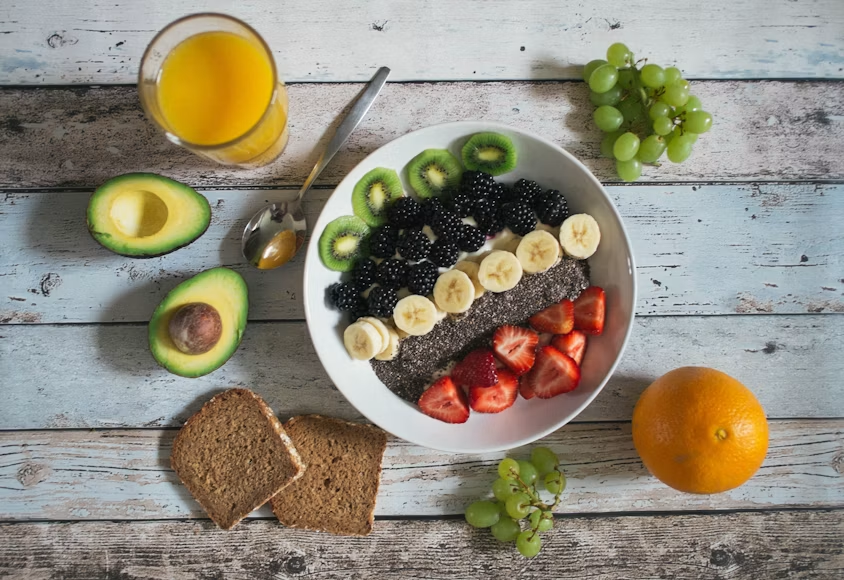
The right food can help:
- Repair the body after substance use
- Steady mood and energy levels
- Cut down on cravings
Here’s why nutrition is moving to the centre of treatment…
What’s inside this guide:
- Why Substance Use Wrecks Your Nutrition
- How Food Fuels Holistic Addiction Recovery
- What Nutrition Looks Like In Residential Treatment
- 4x Simple Habits That Make A Big Difference
Why Substance Use Wrecks Your Nutrition
Addiction is a big issue. SAMHSA reported 48.4 million people over the age of 12 struggled with a substance use disorder in 2024.
And a big chunk of them are running on empty.
Drugs and alcohol harm the body in two ways. The first is that they substitute for real food. When a person is using, meals are skipped and fast food rules. The second way drugs and alcohol are harmful is that they prevent your body from absorbing the nutrients it receives.
Take alcohol for example. Up to 80% of people with an alcohol addiction suffer from thiamine deficiency. Thiamine allows the brain and nerves to function. Without enough thiamine, people can experience memory loss, weakness, and even severe brain damage.
Here’s the problem:
A starved body equals a deprived brain. And a deprived brain makes recovery nearly impossible.
How Food Fuels Holistic Addiction Recovery
Holistic addiction recovery addresses your whole self — not just your addiction. This includes your mind, body and daily routines.
Nutrition sits right in the middle of that picture.
Recovery is about learning how to create a healthy life from scratch. That’s why sober living and recovery homes like Camelback Recovery focus on regular schedules, accountability, and healthy routines that reinforce sober living skills. Nutritious meals, great sleep habits and consistent structure all help people stay on track.
So how exactly does food help? Let’s take a closer look…
Stable Blood Sugar = Fewer Cravings
This one surprises a lot of people.
When hypoglycemia sets in, your body feels shaky, exhausted and irritable. Drug or alcohol cravings can feel very similar. When you’re new in recovery it’s easy to confuse the two.
Regular meals that are nutritionally balanced help maintain steady blood sugar levels. Stable blood sugar = less crashes. Less crashes = less “false alarm” cravings.
Simple, right?
Better Mood And Better Sleep
Your brain produces happiness chemicals like serotonin and dopamine from the foods you consume. Protein, healthy fats and complex carbohydrates provide the building blocks your brain needs.
Substance use drains these chemicals. Good nutrition helps the brain start to rebuild them.
The outcome? Individuals feel more relaxed, sleep better and deal with stress more effectively. Which means less chance of relapsing – since all three of those things help with that.
The Body Gets A Chance To Heal
Drug and alcohol abuse can take years off your liver, gut, heart and skin. Eating nutrient dense food supplies the body with the building blocks it needs to heal.
Think of it like fixing a house. You can’t rebuild the walls without bricks.
Food is the bricks.
What Nutrition Looks Like In Residential Treatment
Residential treatment centers are ideal for hitting the reset button on your eating habits. Patients reside at the facility, follow a structured daily routine, and have 24/7 support. It becomes very easy to develop healthy habits that will last.
Here’s what a strong nutrition programme usually includes:
- Nutrition assessments: Checking for deficiencies and health issues when someone first arrives.
- Balanced meal plans: Regular meals and snacks built around whole foods.
- Nutrition education: Teaching people how food affects mood, energy and cravings.
- Cooking skills: Showing residents how to make simple, healthy meals on a budget.
That last point is a big one…
Most people coming into recovery have not cooked a meal from scratch in years. Learning how to shop and cook teaches them a real life skill to take back home. It also provides them with a healthy daily routine to replace their old ways.
Other programs take it a step further by hiring registered dietitians. Dietitians can identify deficiencies, create meal plans based on medical requirements and collaborate with the rest of the treatment team.
So there you have it. Nutrition is quickly going from a “nice extra” to part of the standard treatment plan.
4 Simple Habits That Make A Big Difference
You don’t need a special diet to nourish recovery. Simple changes, done consistently over time are most effective. Here are four helpful habits that pack a punch.
Eat At Regular Times
Meal skipping causes blood sugar crashes. And remember above, crashes cause cravings. Shoot for three meals a day with a nutritious snack in between if necessary.
Consistency matters more than perfection here.
Load Up On Protein
Protein can help repair muscles and provide the brain with nutrients to create chemicals that boost mood. Include foods such as:
- Eggs
- Chicken and fish
- Beans and lentils
- Greek yoghurt
Try to add some protein to every meal.
Drink Plenty Of Water
Drug use often results in dehydration in the body. Headaches, fatigue and depression can result from dehydration. Keep a water bottle handy and take little drinks throughout the day.
It sounds basic. But it works.
Go Easy On Sugar And Caffeine
Addicts replace addictions all the time. Sugar and caffeine are the biggest replacements. Some of both are ok, but too much can lead to energy highs and lows and insomnia.
Opt for fruit instead of candy when possible. Try to eliminate coffee by noon.
Bringing It All Together
Nutrition has gone from being an afterthought to a central focus of residential addiction treatment. And for good reason. Drugs and alcohol rob the body of vital nutrients. They make recovery more difficult for both the body and brain.
By fixing what’s on the plate, treatment programmes can help people:
- Feel better — by steadying mood, energy and sleep.
- Crave less — by keeping blood sugar stable.
- Heal faster — by giving the body the fuel it needs to repair.
To quickly recap:
- Substance use causes poor nutrition and serious deficiencies
- Good food supports the brain, the body and the mind
- Residential programmes now build nutrition into treatment
- Small daily habits make the biggest difference
Holistic addiction recovery focuses on healing the entire person. And it begins with one small thing…
A healthy meal.