A facial can be one of the easiest ways to refresh your skin, but only if the treatment actually matches what your skin needs.
That is where many people get it wrong.
They book whatever sounds popular, relaxing, or trendy. A friend recommends one treatment. A social media video pushes another. Someone says a certain facial gave them a glow before an event, so they try the same thing.

Sometimes it works.
Sometimes the skin gets irritated, dry, shiny, congested, or even more reactive than before.
The problem is not the facial itself. The problem is choosing a treatment without understanding your skin type, your skin condition, and your actual goal.
A good facial is not just about cleansing and masks. It should be matched to what your skin can handle today.
Dry Skin Needs More Than Moisturizer
Dry skin can feel tight, flaky, rough, or dull. Makeup may sit unevenly, and the skin may look tired even when you are using moisturizer every day.
For dry skin, the best facial is usually focused on hydration, barrier support, gentle exfoliation, and calming ingredients.
The goal is not to strip the skin.
The goal is to remove buildup without damaging the barrier, then help the skin hold moisture better. A hydrating facial, oxygen facial, or gentle customized facial can often be a better choice than an aggressive peel or harsh exfoliation.
People with dry skin sometimes assume they need stronger exfoliation because the surface looks rough. But rough does not always mean dirty or clogged. Sometimes it means the skin is dehydrated and stressed.
A licensed esthetician can tell the difference.
Oily Skin Still Needs Balance
Oily skin is often treated too aggressively.
People use harsh cleansers, strong acne products, drying masks, and too many active ingredients because they want to remove shine. The skin may feel clean for a short time, but then it produces even more oil or becomes irritated underneath.
A good facial for oily skin should help clear buildup, reduce congestion, and balance the skin without over-drying it.
This may include deep cleansing, controlled exfoliation, extractions if needed, and lightweight hydration. Yes, oily skin still needs hydration. When the skin is stripped, it can become more reactive and harder to manage.
For oily or congested skin, professional extractions can be especially helpful. Trying to force blackheads or clogged pores out at home can lead to redness, marks, and inflammation.
The right facial should leave oily skin cleaner and calmer, not raw.
Acne-Prone Skin Needs Careful Decisions
Acne-prone skin is not always simple.
Some people have blackheads and clogged pores. Others have inflamed breakouts, painful bumps, post-acne marks, or irritation from using too many products.
That means an acne facial should not be one-size-fits-all.
A professional acne-focused treatment may include deep cleansing, gentle exfoliation, extractions, calming products, high-frequency treatment, or product guidance for home care. But the most important part is judgment.
Not every breakout should be extracted.
Not every acne-prone client needs stronger products.
Sometimes the skin needs calming first. Sometimes the routine at home is part of the problem. Sometimes the barrier is damaged from overuse of acids, scrubs, retinoids, or spot treatments.
This is why working with an experienced esthetician matters. The treatment should support clearer skin without creating more inflammation.
Sensitive Skin Needs a Slower Approach
Sensitive skin can react quickly.
A product that works for someone else may cause redness, burning, dryness, or irritation. Even a treatment that is technically gentle can be too much if the skin is already stressed.
For sensitive skin, the best facial is usually calming, simple, and carefully adjusted.
The esthetician may avoid aggressive exfoliation, strong peels, heavy extractions, or too many active ingredients in one session. Instead, the focus may be on soothing the skin, reducing visible redness, supporting hydration, and protecting the barrier.
If your skin reacts easily, tell your esthetician before the treatment begins. Mention products you use at home, recent reactions, prescription skincare, acne medications, retinol, or exfoliating acids.
A good facial should respect your skin’s limits.
Dull Skin Usually Needs Exfoliation and Hydration
Dull skin is one of the most common reasons people book facials.
The skin may not be dry exactly, but it looks tired, flat, uneven, or less bright than usual.
This can happen from dead skin buildup, dehydration, stress, lack of sleep, sun exposure, pollution, or an inconsistent skincare routine.
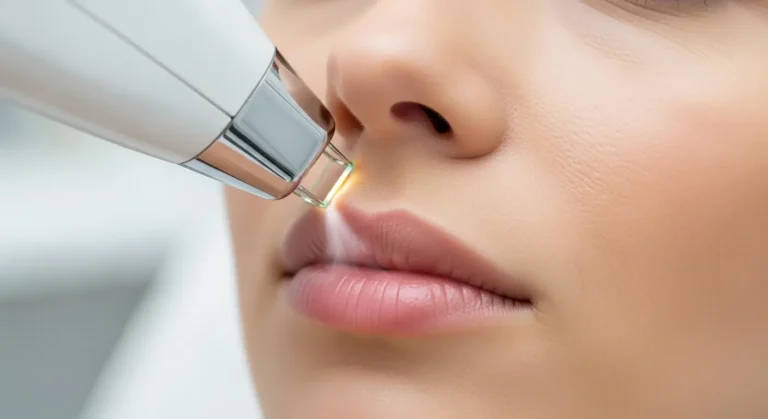
For dull skin, a professional facial can help by combining cleansing, exfoliation, hydration, and glow-focused finishing products. Depending on your skin, treatments like hydrodermabrasion, oxygen facials, or customized glow facials may help the complexion look fresher and smoother.
The key is not to chase the most aggressive treatment.
The key is to choose the right level of exfoliation for your skin.
Too little may not do much. Too much can create redness and sensitivity. A professional can help find the middle ground.
Event Skin Needs Timing
If you are preparing for a wedding, photoshoot, dinner, vacation, business event, or special occasion, timing matters.
Do not book a strong treatment the night before an important event, especially if it is your first time with that esthetician.
Even a good facial can cause temporary redness, flushing, or mild sensitivity. If extractions or exfoliation are involved, your skin may need a few days to settle.
For most people, a facial about 7 to 10 days before the event is a safer window. This gives the skin time to calm down while still allowing the glow to come through.
If your skin is acne-prone, congested, or sensitive, planning earlier is even better.
Why a Customized Facial Works Better
The best facial is not always the most expensive one.
It is the one that fits your skin today.
Your skin changes based on weather, hormones, stress, travel, products, sleep, and diet. A treatment that worked three months ago may not be exactly what your skin needs now.
That is why customized skincare is important.
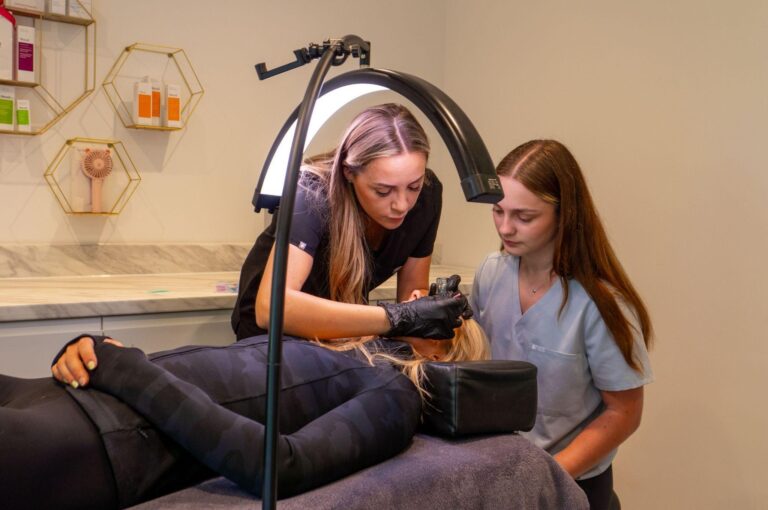
A good esthetician looks at your skin in person and adjusts the treatment. They may change the type of exfoliation, avoid certain areas, perform extractions only where needed, add hydration, or recommend a gentler approach if the skin looks irritated.
Studios like GLA Beauty Care focus on personalized skincare because real skin rarely fits into a single category.
You may have oily skin with dehydration.
Dry skin with clogged pores.
Sensitive skin with breakouts.
Dull skin with uneven texture.
A customized facial helps address what is actually happening instead of forcing your skin into a standard treatment.
Check the Treatment Menu Before You Book
Before choosing a facial, look at the available services and think about your main goal.
Do you want glow?
Clearer pores?
Hydration?
Acne support?
Smoother texture?
A calmer complexion?
Pre-event prep?
Reviewing options for professional facials in Los Angeles can help you understand which treatments may fit your skin concerns.
It also helps to check pricing before you schedule. Transparent esthetician treatment prices in Los Angeles make it easier to compare services, plan your appointment, and choose a treatment that fits both your skin and your budget.
The Right Facial Should Make Sense for Your Skin
A facial should not feel like a random choice from a menu.
It should be based on your skin type, your current condition, your timeline, and your goals.
Dry skin needs support.
Oily skin needs balance.
Acne-prone skin needs careful treatment.
Sensitive skin needs restraint.
Dull skin needs the right mix of exfoliation and hydration.
When the treatment matches the skin, the result is usually better, calmer, and more natural-looking.
The goal is not to do the most.
The goal is to do what your skin actually needs.