Ever wondered what actually happens when a nurse hands you that little plastic cup?
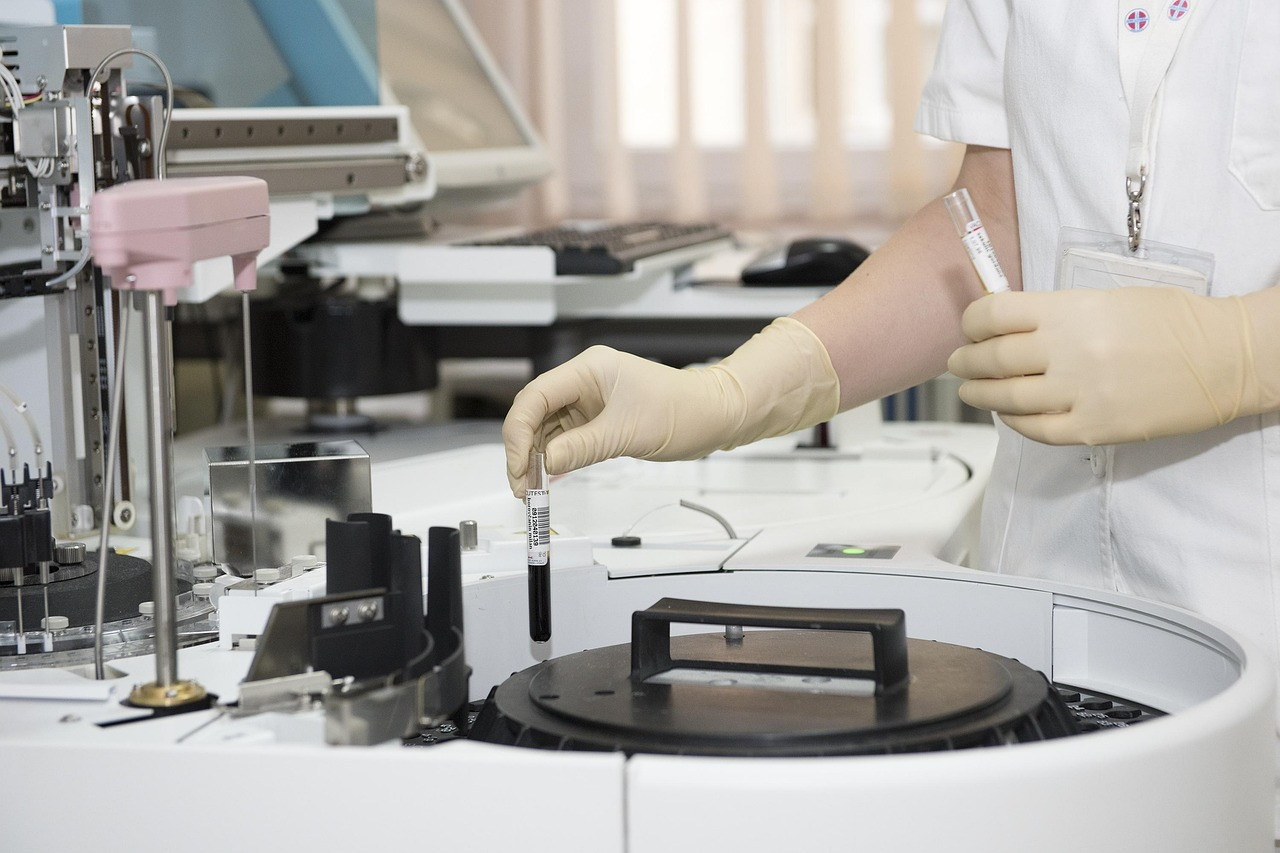
Clinical laboratory testing procedures are the foundation of health care. Physicians are able to diagnose a patient’s ailments through laboratory testing. Whether it be blood testing, urine testing, or any other specimen that can be analyzed. These processes allow physicians to treat patients correctly on a daily basis.
The best part?
Few people know how many types of diagnostic sample analysis there are. They each serve a unique role, have their strengths and weaknesses.
Here’s the breakdown of the most common ones you’ll come across.
What’s Inside This Guide:
- Why Diagnostic Sample Analysis Matters
- The Most Common Types Of Sample Analysis
- How Each Method Works
- What Makes A Reliable Sample
Why Diagnostic Sample Analysis Matters
Sample testing affects almost every aspect of healthcare. Whether you are going in for your annual physical or fighting for your life in the ER, some lab is testing samples around the clock.
Just look at the numbers.
Clinical laboratories made up a market valued at $88.1 billion globally in 2023, and it continues to expand at a strong rate. That’s a huge industry solely dedicated to analyzing your samples.
Why is it so important?
Because sample analysis provides:
- Fast diagnosis: Doctors get concrete data instead of guessing
- Ongoing monitoring: Chronic conditions can be tracked over time
- Prevention: Issues get caught early before they turn serious
Without lab results, most modern treatment plans wouldn’t even be possible.
Urine Sample Analysis
Urine is among the most utilized samples taken for diagnostic testing. Why? Two words: Easy peezy. Urine lets clinicians analyze a wealth of information from just a small sample.
A single urine sample can reveal:
- Kidney function
- Diabetes markers
- Urinary tract infections
- Pregnancy hormones
- Drug metabolites
Urine testing is also used for drug testing in the workplace. Urine drug tests actually commanded the largest market share of 41.38% in the United States in 2024 of employers utilizing drug testing, ahead of all other methods combined.
Buyers looking for methods to verify home drug panels or run two independent screens without purchasing two products may want to look into a two use urine kit. Two use kits allow the purchaser to save one use of the kit, either for comparison testing or as a backup. Many researchers and lab trainers have utilized methods such as a synthetic urine kit to calibrate machines and perform controlled tests.
The bottom line?
Urine testing is inexpensive, rapid and information-rich. Which is why urine is one of the most collected diagnostic specimen types globally.
Blood Sample Analysis
If urine is the workhorse of diagnostic testing, blood is the superstar.
Blood transports hormones, nutrients, waste products, oxygen and immune cells throughout the body. Just one vial of blood can be separated into dozens of individual tests such as:
- Complete blood count (CBC)
- Cholesterol panels
- Liver and kidney function
- Thyroid hormones
- Vitamin and mineral levels
Here’s something interesting.
Diabetes testing, including A1c tests, are done in 90% of clinical labs. Now you have some perspective on how crucial blood testing is to daily medicine.
Blood tests typically require you to donate blood either via needle draw or fingertip prick. The sample is then spun, separated and analyzed with high tech machinery that detects even minor shifts in your body’s chemistry.
Important: For most blood tests, you will need to fast for 8-10 hours for optimal results.
Saliva And Oral Fluid Analysis
Saliva testing has grown massively in popularity over the last few years. Why?
Because it’s non-invasive. There are no needles involved. There are no urine samples to provide either. They just stick a q-tip in your mouth and that’s it!
Oral fluid testing is now used for:
- DNA and ancestry testing
- Hormone monitoring
- Drug screening
- Antibody detection
Employers are taking note as well. Random drug testing in the workplace is rapidly becoming oral fluid drug testing’s biggest application. It’s fast, observation friendly and difficult to adulterate.
Hair Follicle Analysis
Hair testing is one of the more interesting diagnostic samples in use today. And no, it’s not just for drug testing.
A small amount of hair (generally 1.5 inches from scalp) can detect drug use up to 90 days or longer. Because of this hair testing is frequently used for long-term testing when other specimens would not detect anything.
You’ll also see hair analysis used for:
- Heavy metal detection
- Nutritional deficiencies
- Chronic substance exposure
- Certain hormonal conditions
The downside? Hair testing costs more than other specimens. However, it’s hard to beat hair if you need long term information.
Tissue And Biopsy Analysis
This is where things get more advanced.
Histopathology involves the examination of tissues removed from the body during surgery or biopsy. These tissues are studied microscopically. Histopathology is considered the gold standard for diagnosis of:
- Cancers and tumours
- Autoimmune conditions
- Infections in specific organs
- Certain genetic disorders
Tests for oncology made up 22% of clinical lab revenue in 2023. Now that’s a big slice of the pie, fueled by heavy tissue diagnostics and biopsy services.
Tissue testing is more invasive, so it is typically only done if another test has indicated there may be a problem that needs further investigation.
Stool Sample Analysis
Not the most glamorous test… But definitely one of the most useful.
Stool analysis is used to check for:
- Digestive infections
- Parasites
- Blood in the stool (an early warning sign of colon cancer)
- Gut bacteria imbalances
Analysis became easier with at-home stool test kits in recent years. Collect the sample and send it in.
What Makes A Reliable Sample?
Here’s the thing about diagnostic sample analysis…
The result is only as good as the sample you provide. If your sample is contaminated, expired, or improperly collected your results will not be meaningful.
A good sample needs:
- Proper collection technique
- The right container or vial
- Correct temperature during transport
- Fast processing time at the lab
That’s why laboratories have rigorous procedures for every procedure. One error can skew the whole outcome and create a false positive.
Rounding It All Off
Diagnostic samples analyzed are one of the greatest weapons in medicine today. Blood, urine, saliva, hair, tissue, stool… Different specimens have their strengths, and their place in diagnostics.
Here’s the quick recap:
- Urine is fast, affordable, and packed with info
- Blood is the go-to for detailed health data
- Saliva is non-invasive and easy to collect
- Hair gives long-term exposure insights
- Tissue is used for advanced diagnoses
- Stool is essential for gut health
Ever wondered what happens behind closed doors when your Doctor asks for a sample? You will with this one of a kind look behind the curtain.