

Privacy is the new luxury.
Celebrities, executives, and politicians who require actual treatment but don’t want anyone to know have long had access to a silent corner of the wellness world. These luxury facilities aren’t your typical rehab centers. They focus on privacy, luxury, and intensive clinical care.
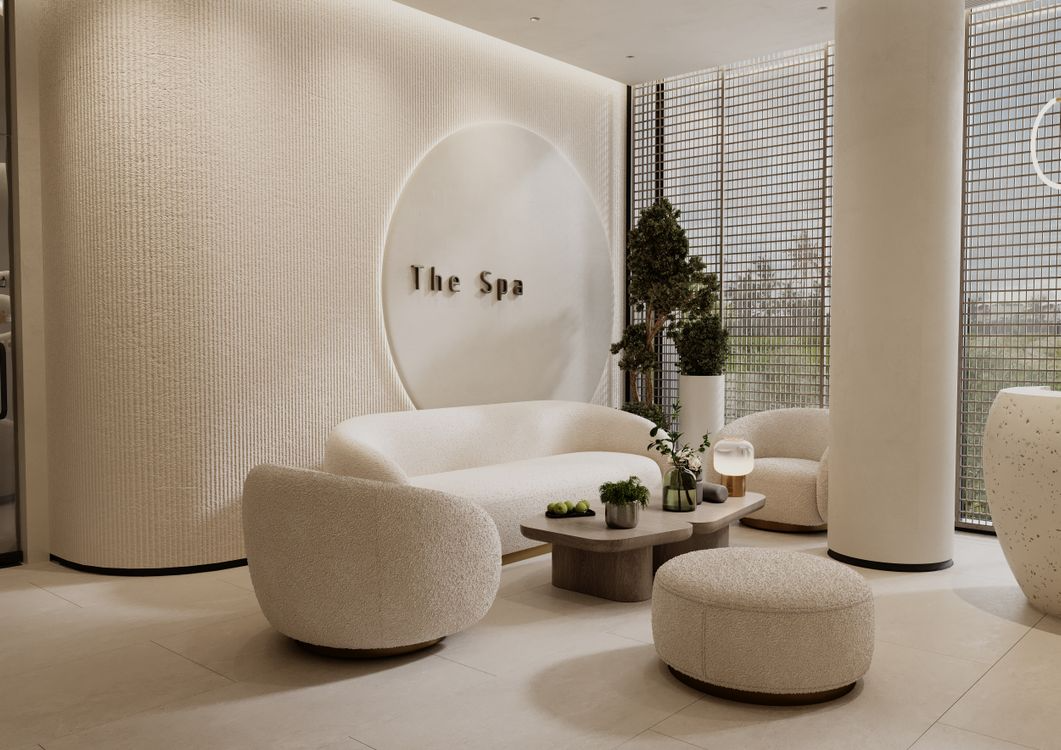
And business is great.
The global luxury wellness market only accounted for $52.6 billion in 2024 and the wellness retreat market size is expected to reach $363.9 billion by 2032. …There’s just one problem with that business model: People want healing, not headlines.
Inside this guide:
- What Makes a Premium Wellness Sanctuary Different?
- The Rise of Patient Navigators in Discreet Healing
- Why Privacy Now Drives the Industry
- Inside the Business Model
What Makes a Premium Wellness Sanctuary Different?
A luxury wellness retreat is not a hotel that offers yoga. It’s a medically accredited treatment center cloaked in discretion with all the comforts of a luxury hotel.
Think:
- Private suites instead of shared rooms
- Chef-prepared meals instead of cafeteria trays
- Personal therapists instead of group-only sessions
- Strict NDA policies for every staff member
The clinical care is no different than what you would find at any other reputable rehab or mental health facility. It’s the overall experience that makes the difference, including the extra efforts to protect the clients privacy.
If you’re the CEO of a public company, the leader of a creative team, or just someone with a recognizable name… That gap can be the difference between life and death.
The Rise of Patient Navigators in Discreet Healing
Here’s something most people don’t realise about premium sanctuaries…
Doctor? No. Your most important employee is actually your patient navigator. Patient navigators are the individuals who help clients every step of the way before, during and after their stay. Patient navigators assist with:
- Initial intake and assessments
- Family communication
- Billing and insurance verification at Novara Recovery Center and similar facilities
- Care coordination between specialists
- Aftercare planning and follow-up
Why is this role so critical in the premium space? High-net-worth clients don’t have time to track down paperwork or wait on hold. The patient navigator eliminates all obstacles between the client and recovery.
Data supports this also. Studies have repeatedly found that navigators increase access to care, decrease delays, and increase rates of treatment completion. In the discreet healing realm they serve as a buffer of privacy — one point of contact who maintains the confidentiality of the client.
Pretty important, right?
Why Privacy Now Drives the Industry
There’s a reason the discreet healing business has exploded in the last decade.
The untreated population is massive. SAMHSA reports 48.4 million Americans qualified for a substance use disorder diagnosis in 2024. But wait… there’s more. 80% did not receive treatment for their disorder. Shame is a big part of the reason why.
Fear of embarrassment, career damage or family shame — whatever it is, it prevents people from seeking help they truly need.
For business leaders, professional athletes, and celebrities, this stigma is multiplied. If a rehab stint gets leaked, it can:
- Tank a stock price
- Cost a sponsorship deal
- End a career
Premium sanctuaries created their entire brand on fixing that issue. They provide you with the same research-backed care as a normal facility. …But they conceal the guest behind endless privacy walls.
That’s the product they’re really selling. Not a fancy room. Not gourmet food. Trust.
Inside the Business Model
Luxury wellness retreats don’t survive on insurance payments alone. Typically, there’s a hybrid model mixing private pay, insurance and concierge fees.
Here’s roughly how it breaks down:
- Base treatment cost — the actual clinical programme
- Luxury premium — private accommodation, food, and grounds
- Concierge fee — 24/7 navigation, scheduling, and family support
- Aftercare package — ongoing therapy and check-ins post-discharge
Prices can escalate quickly. Thirty days at a high-end facility can cost between $30,000 and upwards of $100,000. However, for those clients able to pay such prices, perks like spas are irrelevant. Privacy is what matters most.
They know it too. Which is why they pour money into whoever is safeguarding the client experience from that first phone call until aftercare.
That’s why patient navigators are now considered the front line of the business. Transforming an enquiry into an admission and a client into a lifelong customer of the brand.
The People Behind the Curtain
Every Five Diamond hideaway has heroes you’ll never meet. The docents and nurses take the bows, but the backstage crew should take the credit:
- Patient navigators who quarterback the entire experience
- Intake specialists who handle the first sensitive call
- Privacy officers who manage NDAs and information access
- Concierge staff who coordinate travel, transport and family visits
The staff/client ratio at most luxury centres is exponentially higher than your run-of-the-mill treatment centre. That additional staff is what allows for that discreet experience. It’s also what drives the cost.
None of this works without these individuals. Sure the clinical outcome may bring the client, but these folks behind the curtain are why they return.
What This Means for the Wider Industry
The growth of premium wellness sanctuaries is changing the standard treatment market too.
Mid-tier rehab and wellness facilities are now adopting many of the same practices:
- Hiring dedicated patient navigators
- Building private suites for higher-paying clients
- Offering concierge-style intake and aftercare
- Tightening privacy policies across the board
That’s a great thing. The lessons from the premium space — personalisation, privacy and frictionless journeys — are good for every patient, not just the affluent.
The discreet healing model has raised the bar. Now everyone else is scrambling to play catch up. Patients of all budgets benefit from the change.
Bringing It Together
The secrets of discreet healing don’t remain secret for long. There are billions of them exchanged daily. The discreet healing industry is now a worldwide, multi-billion dollar industry based on three principles:
- Real clinical outcomes
- Genuine privacy protection
- Patient navigators who hold it all together
Luxury detox retreats thrive because they know one simple principle — patients will spend just about anything to recover without criticism. So long as people continue to seek treatment at that level of privacy, the industry of confidential care will continue to grow. The phenomenon has demonstrated what has always been known to be true — recovery is most effective when the individual feels comfortable.