Inflammation is the body’s silent troublemaker.
Kidney disease can lurk in the background for years — often without showing ANY visible symptoms — before manifesting itself as a legitimate health issue. And get this:
Most people only find out about it once the damage has already started.
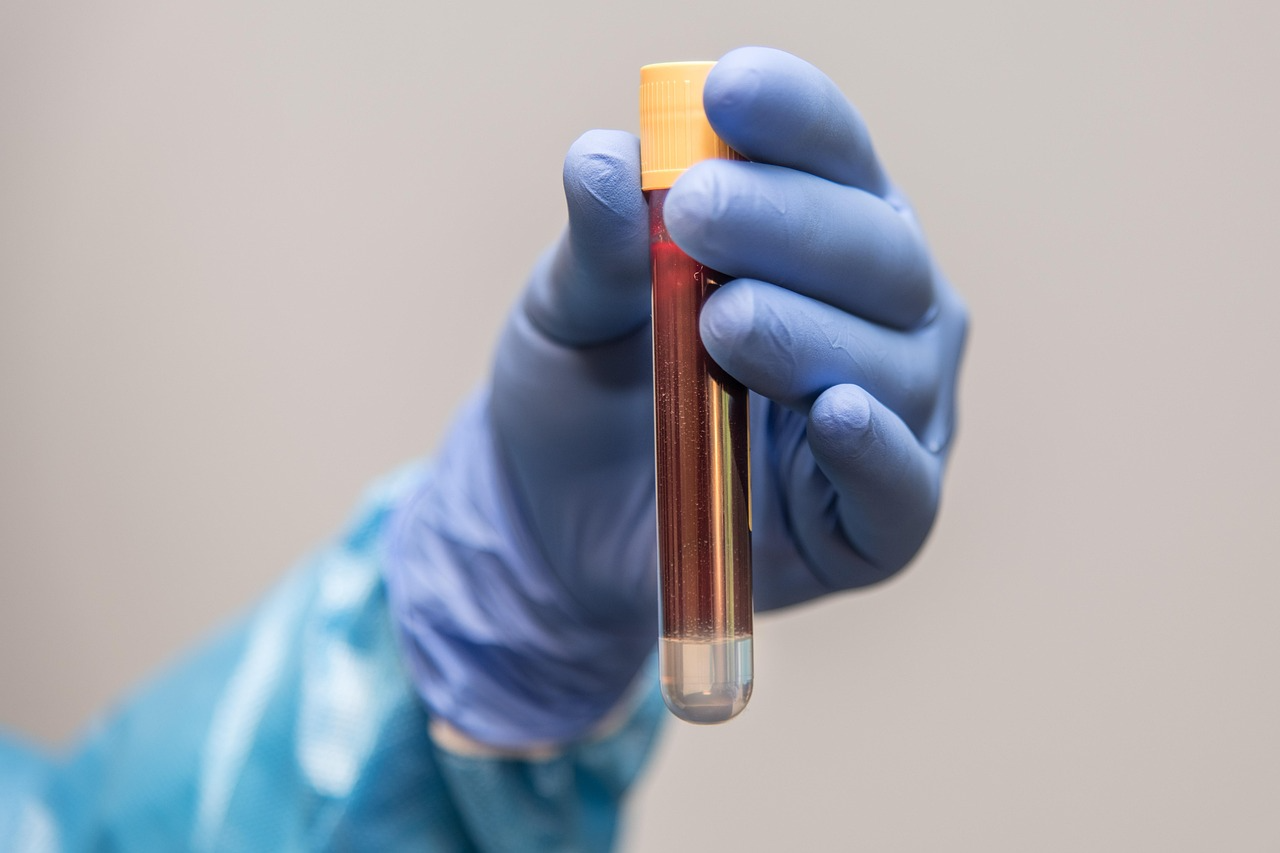
The good news is there is hope. One easy blood test (the type already drawn during most yearly physicals) can identify inflammation way before it becomes problematic. You just have to understand which numbers to look for and what they mean.
Here’s what’s coming up:
- What Routine Testing Actually Reveals About Inflammation
- The Most Important Inflammation Markers To Watch
- Why Hidden Inflammation Is Such A Big Deal
- What To Do If Markers Come Back High
What Routine Testing Actually Reveals About Inflammation
Routine bloodwork does way more than check cholesterol.
Assessed with proper pulling along with the right panel, it can identify the earliest markers of inflammation even before symptoms develop. Including markers that show with basic blood panel, vitamin deficiency panel, and basic inflammatory work up such as CRP.
Want an easier way to get access to these markers without scheduling several GP appointments? One Day Tests provides at-home blood testing kits that allow you to screen for both vitamins and inflammation all at once — making it easier than ever to catch early warning signs from the comfort of your own home.
Research out of the University of Florida discovered that 34.6% of US adults suffer from systemic inflammation. Approximately 1 out of every 3 people are walking around with their bodies on low-grade fire alarms.
The scary part?
Most won’t even suspect it. The only way they will learn for sure is by getting a blood test that screens for appropriate markers.
The Most Important Inflammation Markers To Watch
Did you know your typical blood panel includes at least one or two inflammation markers? (Hint: You just need to know where to look.) Here are four of the biggest:
C-Reactive Protein (CRP)
CRP is the headline act when it comes to inflammation testing.
C-reactive protein (CRP) is produced by the liver when there is inflammation in your body. It rises rapidly with acute problems. Per MedlinePlus, the healthy range for CRP is 0.8-1.0 milligrams per deciliter (mg/dL) or lower.
Anything above that indicates inflammation in the body — and the higher the reading, the more hostile that inflammation likely is. CRP is particularly helpful because it is:
- Cheap to test — it’s part of most basic blood panels
- Reliable — doesn’t fluctuate as much as other markers
- Early — often elevated before symptoms appear
Persistent elevation in CRP indicates that something is going on beneath the surface…an occult infection, autoimmune disease or chronic inflammation due to lifestyle factors.
White Blood Cell Count (WBC)
Your WBC count is another marker that tells a story.
White blood cells are associated with your body’s immune response. If your body is inflamed from infection, stress or chronic illness they can increase. Typically a normal range is anywhere from 4,000 to 11,000 cells per microliter.
Consistently elevated levels (even if within the “normal” range) can suggest chronic inflammation. This is why trend matters over time and repeated testing.
Ferritin
Ferritin is one of the most misunderstood markers on a blood panel.
Most folks think of ferritin as an iron storage marker — which it is — but it’s also an inflammatory marker. If inflammation goes up, ferritin can increase independent of iron stores.
If ferritin is high but iron values are normal? Probably means there’s inflammation going on.
Vitamin D
Here’s something most people overlook…
vitamin D is MASSIVELY implicated in inflammation. Low levels are associated with increased inflammatory markers across the board. Studies estimate that about 28% of adults are deficient in vitamin D and another 40% are insufficient.
For this reason, everyone should have an extensive vitamin deficiency test along with any inflammation testing. Vitamin D deficiency + High CRP = an epidemic duo that creates huge risk for chronic disease.
Why Hidden Inflammation Is Such A Big Deal
Inflammation is at the root of nearly every major chronic disease.
That means heart disease, type 2 diabetes, autoimmune diseases, cancer and even dementia. Chronic inflammatory diseases are linked to 3 out of 5 deaths worldwide, according to the WHO.
Let that sink in.
When chronic inflammation goes unnoticed for years inflammation slowly weakens your blood vessels organs and tissues. By the time you experience symptoms:
- Heart disease — arteries are already damaged
- Diabetes — insulin resistance has set in
- Autoimmune conditions — the immune system is misfiring
Detecting it early with a vitamin deficiency panel or regular blood test can change the narrative.
Why? Because inflammation is very sensitive to lifestyle modifications. Diet, exercise, sleep and supplementation can lower CRP in a matter of weeks. The sooner the markers are detected the easier they are to reverse.
What To Do If Markers Come Back High
Got concerning results? Don’t panic.
Don’t diagnose yourself with one elevated CRP or ferritin reading. Recent trauma, surgery, exercise, or even a cold can cause a temporary rise in inflammation markers. Instead….
Step 1: Retest in 4-6 weeks
Eliminates the possibility of a one-time blip due to a transient cause. Trends are much more important than one value.
Step 2: Look at the full picture
Order inflammation markers with a full vitamin deficiency panel. Inflammation often comes along with low vitamin D, low B12, and other vitamin deficiencies.
Step 3: Address lifestyle drivers
The biggest drivers of chronic inflammation are:
- Poor sleep
- Excess sugar and processed foods
- Chronic stress
- Lack of movement
- Smoking
Small changes here can move the needle in a big way.
Step 4: Speak to a doctor about persistent issues
If they remain high despite lifestyle modifications, that’s when you should investigate further. There may be an underlying autoimmune disorder, infection or something else that requires specific treatment.
Bringing It All Together
Inflammation doesn’t show up overnight.
It creeps up slowly … silently … By the time it’s detected it may have been hurting you for years. The good news is that simple blood tests can detect it early … allowing you to take action before it gets out of control.
To quickly recap:
- CRP, WBC count, ferritin and vitamin D are the key markers
- Even “normal” results trending up can signal trouble
- 1 in 3 adults have systemic inflammation without knowing
- Lifestyle changes can drop inflammation markers fast
- A routine vitamin deficiency test makes early detection easy
The takeaway? Monitor your levels, retest as necessary and combat inflammation early. It’s one of the simplest yet most overlooked methods of ensuring long term health.