Access to health and well-being services that people can trust is key to better quality of life for the individual, the family, and the community. In today’s fast-paced world, people are turning to more than just basic health care. They are seeking out services that focus on prevention, education, emotional well-being, disability support, and long-term independence. It is in this that community-based health organizations play a large role by which they give out care that is inclusive of all and person-centered./im
The Growing Importance of Community Health Services
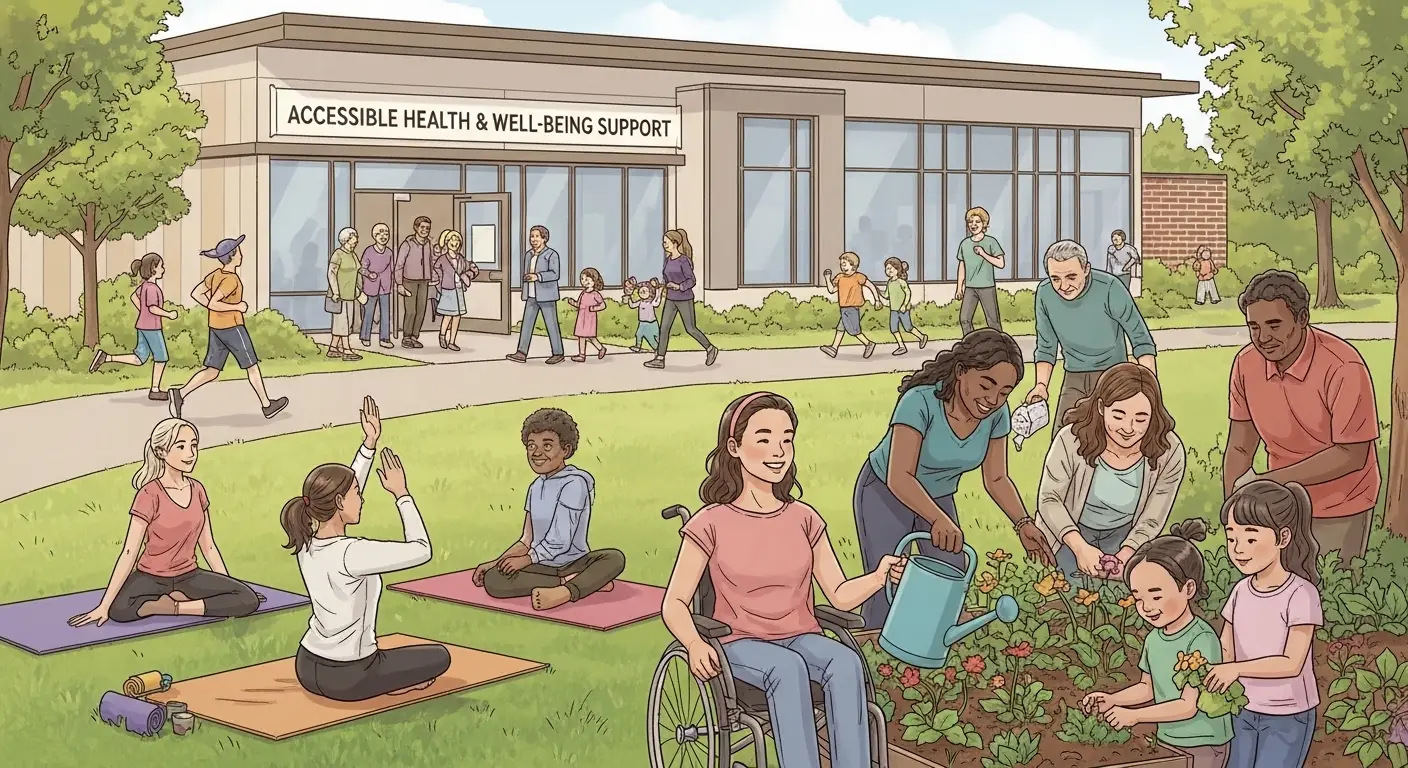
Community health services are growing in importance as people see an increase in what people are looking for from local support. As opposed to which large-scale health care systems tend to focus mainly on the treatment aspect, community-based services put forth a full-person approach. This includes physical health, mental health, social connections, and practical daily support.
These services are particularly for children, older adults, people with disabilities, and individuals living with chronic conditions. In which community health providers also see that which community health providers do is to put in early intervention and continuous care, which in turn sees to it that hospital visits are reduced, daily functioning improved, and that individuals in turn live with more confidence.
A robust community health framework also serves to close the gap between what is provided in a clinical setting and the everyday life of the patient. The support system sees that which it puts in place is designed to give, to guide, and to supply resources in a way that integrates with the patient’s routine; thus, in turn, it sees greater sustainability of that support.
Supporting Independence Through Personalized Care
In terms of community health services, what is seen as a great asset is the focus on independence. Also, each person has their own set of needs, goals, and challenges, which in turn means that a uniform approach to support is not enough.
Personalized health plans in which professional staff pay attention to what is most important to each individual. In terms of when a person may require speech therapy, occupational therapy, counseling, or disability support, the services are tailored to that which will best see that person through to improvement.
For many families, having access to trusted professionals at healthAbility provides reassurance that support is compassionate, practical, and designed around long-term wellbeing. The organization takes a person-first approach, which in turn builds trust and gets individuals more involved in their health journey.
Through the development of skills, building of confidence, and consistent guidance, it is seen that personal support, which in turn improves health outcomes as well as social participation, education, and employment.
The Role of Allied Health in Everyday Well-Being
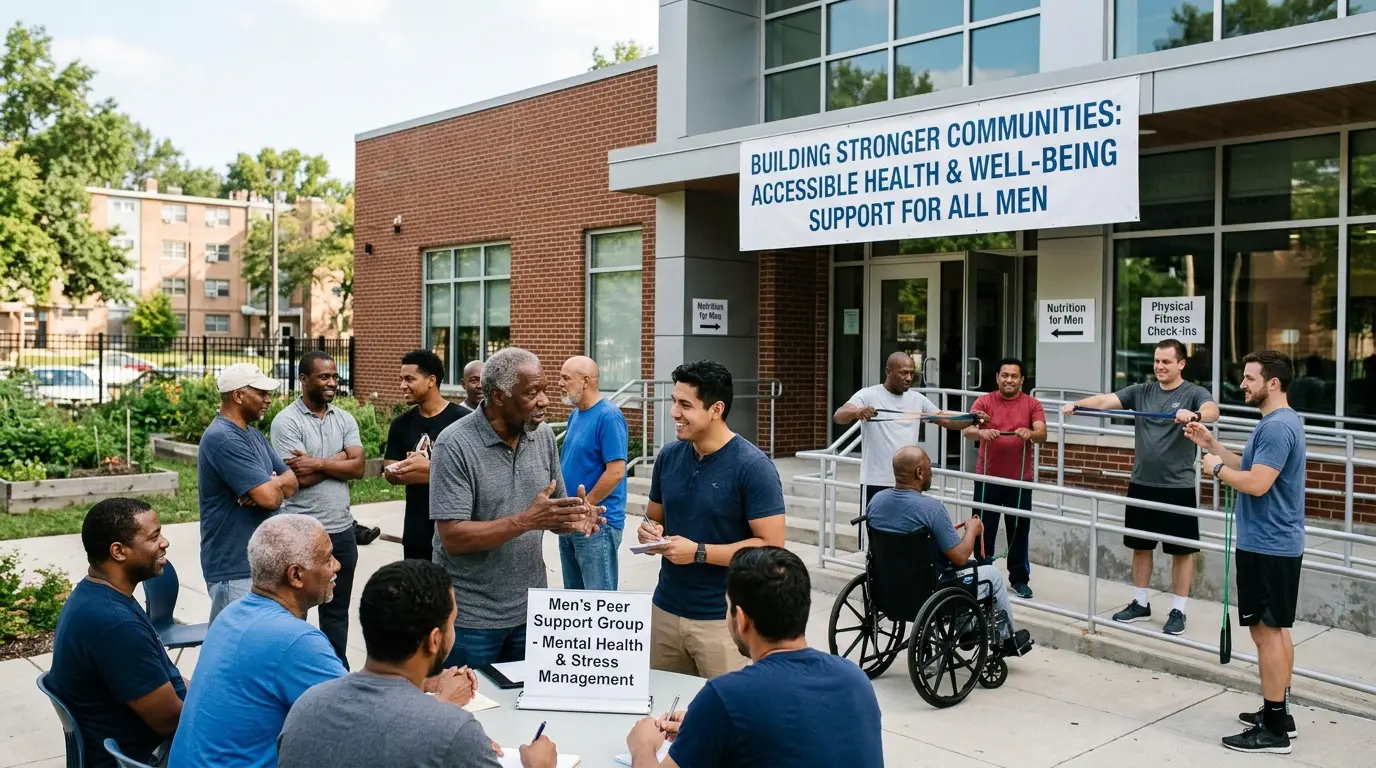
Allied health care is a key element in the treatment of physical, emotional, and developmental issues. This field includes physiotherapists, psychologists, dietitians, speech pathologists, and occupational therapists.
Their work touches all stages of life. In children it is seen that early intervention improves communication, movement, and learning. As for adults, there is allied health, which is a resource for injury management, chronic pain, mobility issues, and mental health. For older adults, they support safe aging, balance, strength, and cognitive health.
Allied health is known for what it does practically. The focus goes beyond the symptom to see how patients’ daily lives can improve, whether that is in walking with more confidence, communication that is clearer, stress that is better managed, or health routines that are put in place.
In a supportive community setting, allied health is even more effective, as it puts patients in touch with their greater community and long-term support systems.
Why Preventive Health Matters More Than Ever
Preventative health is a very effective solution for improving long-term health, which in turn puts less stress on health care systems. Instead of waiting until health issues present severely, preventive care is about early detection, education, and proactiveness.
This includes mental health counseling, lifestyle coaching, movement programs, nutrition support, falls prevention, and social well-being initiatives. These services have been put in place, which aim to identify risk factors before they grow into larger health issues.
In today’s world, which is seeing an increase in stress, inactivity, and isolation, preventive strategies are seen as very important. Through promotion of healthy habits and early action, community groups are playing a key role in the health of individuals, which improves over time.
This is an active approach that also includes support for families and caregivers who often want information, education, and resources, which in turn improve their ability to care for their loved ones.
Creating Inclusive and Connected Communities
Health is a component of social well-being. People do best when they feel they are a part of things, included, and connected to their communities. This is why today’s health care systems put forth greater emphasis on inclusion, accessibility, and community involvement.
Programs that put people in groups for therapy, wellness workshops, disability support groups, and education also see great results in terms of emotional resilience and reduction of isolation.
Inclusive services reach out to various age groups, cultural backgrounds, and ability levels, which in turn removes barriers for access to the support that people require. Also, this increases community trust, and it is seen that it helps to create healthier environments for all.
By using the expertise of professionals and at the same time fostering real human connection, organizations that put inclusive well-being first report running stronger and more resilient communities.
How Accessible Health Support Improves Daily Life
Accessible health services do more than treat illness. They help people manage everyday life with more confidence and stability. When support is easy to reach, individuals are more likely to seek help early instead of waiting until problems become severe.
This affects physical health, emotional well-being, and even social relationships. People who receive consistent support often feel more independent in their routines and less overwhelmed by daily challenges.
Areas where accessible support creates real improvement
| Area of Life | How Support Helps |
|---|---|
| Physical health | Improves mobility, recovery, and strength |
| Mental well-being | Reduces stress, anxiety, and isolation |
| Social connection | Encourages participation in community activities |
| Education support | Helps children and young adults stay engaged |
| Employment stability | Supports confidence and daily functioning |
These changes may seem small at first, but they build long-term stability over time.
Why Early Support Creates Better Long-Term Outcomes
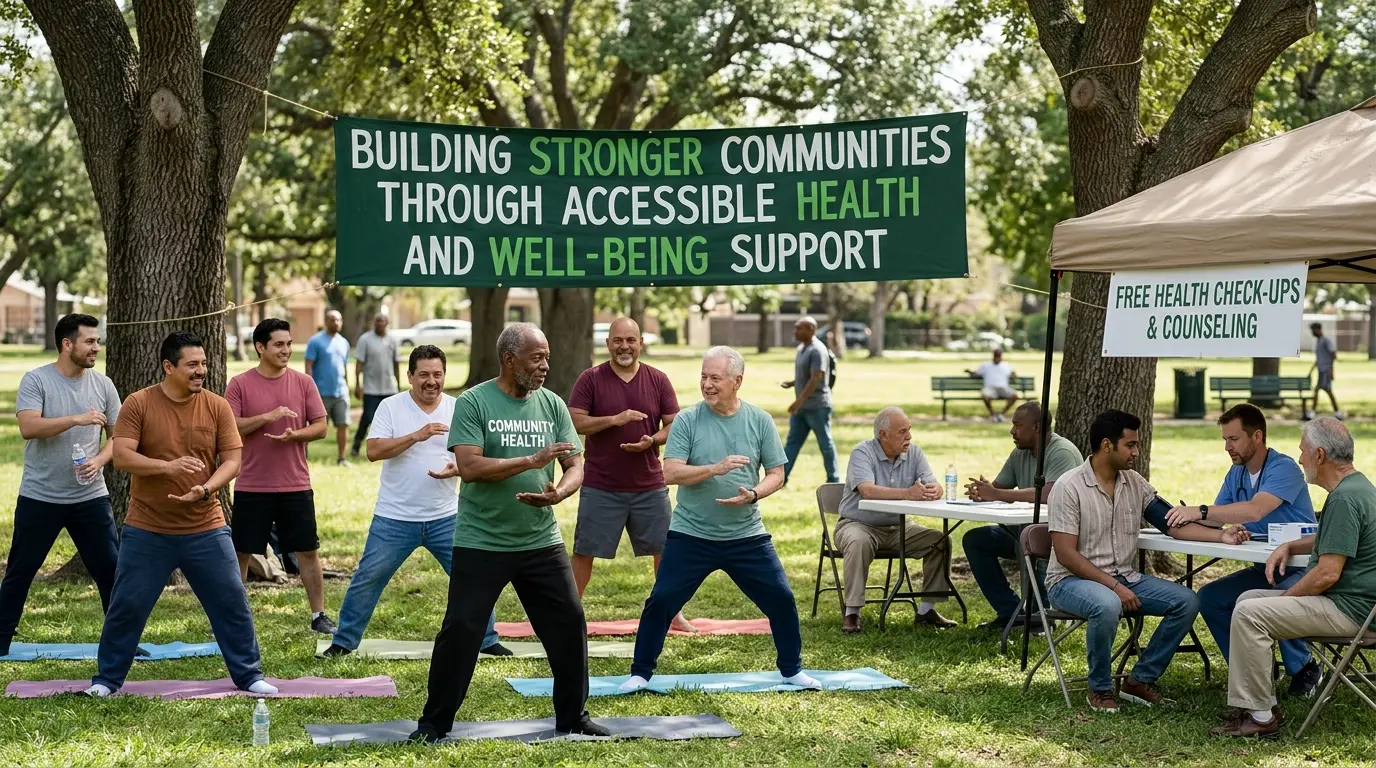
Waiting too long to seek support often leads to larger problems later. Early care allows professionals to identify issues before they affect daily life more seriously.
For children, early intervention improves communication, learning, and social development. For adults, it helps manage stress, pain, and mobility concerns before they become harder to handle.
Benefits of early intervention
- Lower risk of long-term complications
- Faster recovery and adjustment
- Reduced pressure on hospitals and emergency care
- Better confidence for individuals and families
- More consistent progress over time
Preventive support gives people more control over their health journey instead of reacting only after problems grow.
How Community-Based Care Builds Trust
People respond better to support when they feel understood and respected. Community-based care works because it feels more personal and connected to real life.
Large healthcare systems often focus on treatment alone. Community organisations focus on the person behind the condition.
What makes community support feel more approachable
- Familiar local environments
- Ongoing relationships with support staff
- Flexible services based on personal needs
- Better communication between families and professionals
This creates trust, which increases participation and long-term engagement.
Why Mental and Emotional Well-Being Matter as Much as Physical Health
Health support is no longer limited to physical treatment. Emotional health affects sleep, motivation, relationships, and the ability to handle stress.
People facing isolation, anxiety, or burnout often struggle with daily routines even when no physical illness exists.
Common emotional support services
- Counselling sessions
- Group wellness programs
- Stress management support
- Family guidance services
- Community social programs
These services strengthen emotional resilience and reduce feelings of disconnection.
How Allied Health Services Support Different Stages of Life
Allied health professionals help people manage practical challenges that affect daily living.
Support for children
- Speech and communication development
- Motor skill improvement
- Learning and behavioural support
Support for adults
- Injury recovery
- Chronic pain management
- Mental health support
- Workplace function improvement
Support for older adults
- Balance and mobility training
- Fall prevention strategies
- Cognitive support programs
- Strength and independence maintenance
Each stage of life requires different care approaches, which is why personalised support matters.
Why Accessibility Matters Beyond Medical Treatment
Accessibility is not only about physical access to clinics. It also includes affordability, communication, and cultural inclusion.
People are more likely to use services when they feel comfortable and understood.
Barriers that accessible services help reduce
| Common Barrier | How Accessible Services Help |
|---|---|
| Long travel distances | Local community support centres |
| High costs | Affordable or funded programs |
| Language difficulties | Multilingual support and guidance |
| Social stigma | Safe and inclusive environments |
| Complex systems | Simpler care coordination |
Removing these barriers increases participation across the community.
How Family and Caregiver Support Improves Outcomes
Families and caregivers often carry emotional and practical pressure while supporting others. Community health programs also help them manage these responsibilities.
Ways caregiver support helps
- Provides education about conditions and treatment
- Reduces stress and burnout
- Improves communication with professionals
- Creates stronger home support systems
When caregivers feel supported, individuals receiving care often improve faster as well.
Why Social Connection Is Part of Health
Isolation affects both mental and physical health. People who feel disconnected from others often experience higher stress levels and lower motivation.
Community programs create opportunities for interaction and belonging.
Community activities that strengthen connection
- Wellness workshops
- Group therapy sessions
- Disability support groups
- Local educational events
- Recreational health activities
These programs improve emotional stability while helping people feel involved in their communities.
How Preventive Health Reduces Pressure on Healthcare Systems
Preventive care helps reduce hospital admissions and emergency treatment needs. When people receive support earlier, conditions become easier to manage.
Preventive strategies that create long-term benefits
- Regular wellness checks
- Nutrition guidance
- Movement and exercise programs
- Mental health counselling
- Lifestyle education
These services lower healthcare strain while improving quality of life for individuals.
Final Thoughts
Accessible, personalized, and preventive health care is a must for better health and independence. In the community, support models are seen that are transforming the care experience by making services more practical, inclusive, and based on what the community truly needs.
In allied health and disability support as well as in preventive well-being and community connection, which is what these services do best. It is seen in that which is put forth by organizations dedicated to holistic care that they are the ones shaping stronger communities by putting people first and supporting health at every stage of life.