
When we think about digestive issues like acid reflux or gastroesophageal reflux disease (GERD), our minds naturally jump to heartburn or discomfort in the chest. However, the digestive tract is a continuous system, and the effects of chronic stomach acid do not stop at the throat. The health of your gut and your mouth are intimately connected. In fact, properly functioning dental structures are essential for initial digestion. Poor chewing mechanics can increase stomach pressure and exacerbate chronic reflux symptoms, which is a perfect example of how oral health influences digestive function. This relationship means that just as poor teeth can worsen digestion, severe acid reflux can devastate a healthy smile. Understanding this systemic link is the first step towards protecting your entire gastrointestinal tract.
The Hidden Toll of Stomach Acid on Enamel
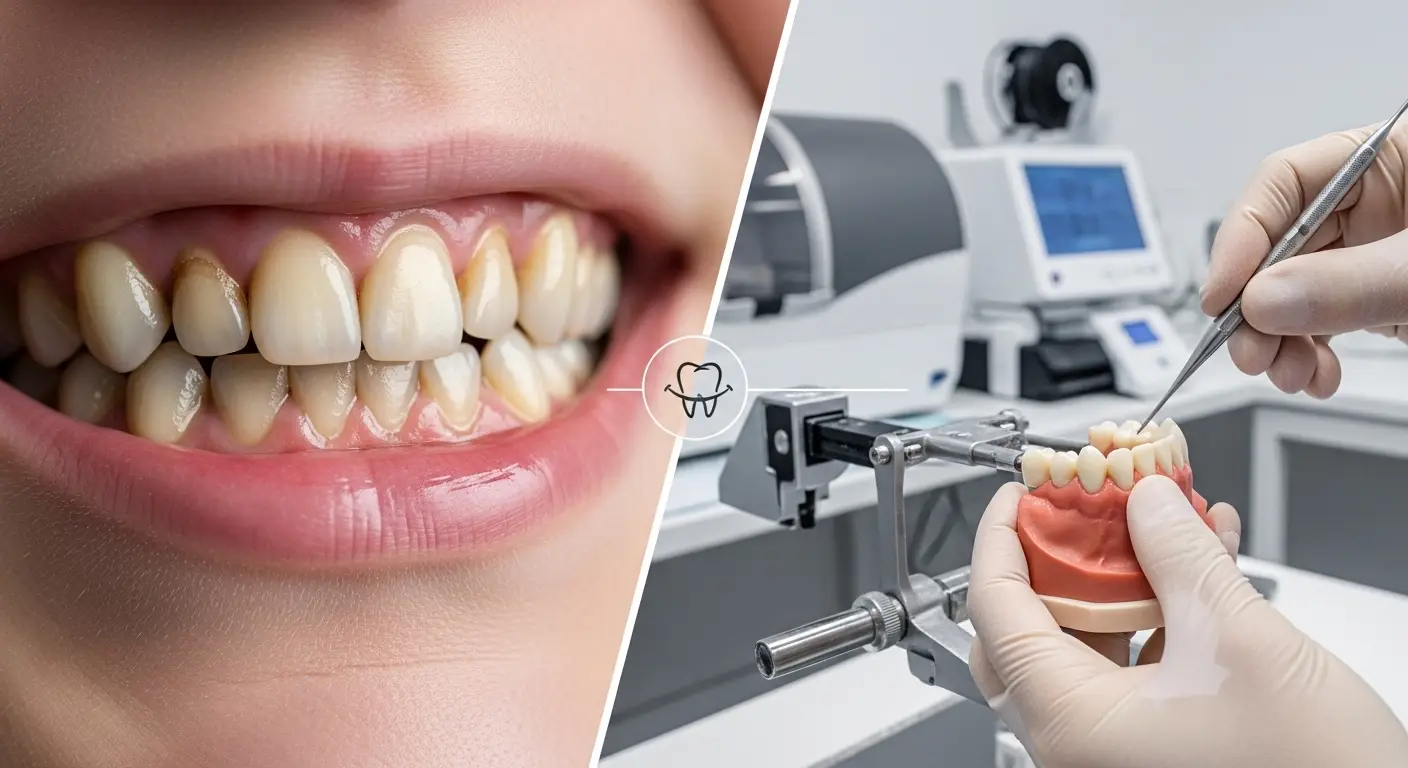
Stomach acid is highly corrosive by design. It is biologically engineered to break down dense food particles, meaning it has an exceptionally low pH level. When the lower oesophageal sphincter weakens, this potent acid travels upwards and enters the oral cavity. Over time, frequent exposure to this acid literally dissolves the hard, protective outer layer of the teeth in a chemical process known as demineralisation. Unlike normal tooth decay caused by dietary sugars and bacteria, this acid erosion affects the teeth uniformly and aggressively.
Because the back teeth are closest to the throat, they often bear the brunt of this acidic wash. The damage is rarely just cosmetic. As the enamel wears away, patients experience extreme sensitivity, an increased risk of cavities, and significant changes to their bite structure. The clinical reality of this issue is severe. According to the American Dental Association, the mean prevalence of dental erosion in adult patients suffering from GERD is a staggering 32.5 percent. This data highlights a pressing need for patients to view their oral health through the lens of their digestive conditions, acting quickly before the damage becomes irreversible.
Erosion-related sensitivity can turn into sharp pain fast, so knowing how to relieve a toothache, a cold compress, or a warm saltwater rinse, buys you comfort until a dentist can check the enamel loss.
Advanced Innovations Driving Restorative Dentistry
Repairing teeth damaged by chronic acid reflux requires a highly specialised approach. Standard fillings are often insufficient for extensive erosion, especially when the fundamental shape of the tooth has been altered. Instead, dental professionals must rebuild the structure of the tooth using advanced composite resins, porcelain veneers, or full dental crowns. This level of restorative work demands extreme precision to ensure the newly formed bite aligns perfectly with the patient’s natural jaw mechanics.
To perform these delicate enamel reconstructions, modern clinics rely on cutting-edge global supply chains to source ultra-high precision equipment. For example, many top-tier practices look to specialised global manufacturers for their restorative toolkits, often sourcing the advanced dental instruments Thailand provides to equip their surgeries with the latest ultrasonic tools and durable brackets. These advanced instruments allow dentists to clear away damaged tissue with minimal vibration, preserving as much healthy tooth structure as possible. By utilising these refined tools, specialists can seamlessly restore both the function and the aesthetics of a smile ravaged by gastric acid.
Strategies to Protect Your Teeth from Reflux Damage
If you are managing chronic acid reflux, it is vital to take proactive steps to safeguard your enamel while you and your gastroenterologist work to control the underlying digestive issue. Dentists and medical professionals recommend several daily habits to minimise acid-related wear on your teeth.
Here are the most effective strategies to implement into your daily routine:
- Wait before brushing: Never brush your teeth immediately after a reflux episode. The acid softens your enamel, and the abrasive action of a toothbrush can permanently scrub it away. Wait at least 60 minutes for your saliva to neutralise the mouth.
- Rinse with baking soda: Vigorously rinse your mouth with a mixture of water and a pinch of baking soda after experiencing heartburn. This alkaline solution helps neutralise the acidic environment rapidly.
- Chew sugar-free gum: Stimulating saliva production is one of your best natural defences against acid. Saliva contains essential minerals like calcium and phosphate that help remineralise weakened teeth.
- Stay hydrated: Drinking plenty of water throughout the day helps dilute stomach acid that may have reached the mouth and washes away lingering food particles.
- Use a remineralising toothpaste: Swap your standard toothpaste for a clinical formula containing stannous fluoride or hydroxyapatite, which actively helps to harden compromised enamel.
Treating gastrointestinal conditions requires a comprehensive, whole-body perspective. While addressing the root cause of acid reflux is the primary goal for any digestive health specialist, the physical fallout of the disease must be managed concurrently. The collaboration between your gastroenterologist and your dentist is crucial. By understanding the mechanical connection between your mouth and your gut, you can seek out the precise technological interventions needed to repair acid damage and adopt the daily habits required to maintain a healthy, functional smile.