You notice it in small ways first. A coworker who suddenly stops talking in meetings. A friend who cancels plans again and says they are just tired. These moments are easy to overlook, but they are rarely random. They often point to something deeper that needs attention.
Mental health concerns quietly shape daily life. Clinics are busy. Waiting lists grow longer. Patients show up carrying problems that have been building for months, sometimes years. In this environment, mental health nursing has become one of the most essential and demanding roles in modern healthcare.
The Expanding Role of Mental Health Nurses
Mental health nurses do far more than administer medication or monitor symptoms. They listen when patients struggle to explain what they are feeling. They recognize changes in behavior that others might dismiss. They help individuals manage conditions such as anxiety, depression, bipolar disorder, and trauma-related disorders.
This work happens in many settings. Hospitals, community clinics, schools, rehabilitation centers, and even correctional facilities rely on psychiatric nurses to provide care. The need continues to grow as awareness of mental health increases and more people seek help. Nurses in this field often become a steady presence for patients navigating complex emotional and psychological challenges.
Their responsibilities extend beyond clinical care. They educate families, collaborate with therapists and physicians, and advocate for patients within healthcare systems. These tasks require patience, empathy, and strong clinical judgment. It is a demanding role, but it is also deeply meaningful.
Advancing Expertise Through Specialized Education
The demand for advanced mental health providers has risen steadily, especially in communities where access to psychiatric care remains limited. Many registered nurses explore online psychiatric nurse practitioner programs to expand their scope of practice to meet this need. Graduate-level education allows them to assess, diagnose, and treat mental health conditions with greater independence.
For working nurses, flexibility in education has become increasingly important. Balancing clinical shifts, family responsibilities, and academic requirements is not simple. Programs designed for remote learning have made it possible for professionals to continue their education without leaving their jobs or relocating.
Modern programs, like the ones Northern Kentucky University offers, combine coursework in advanced practice nursing, psychotherapy, and pharmacology with supervised clinical experiences. The university also offers a range of healthcare programs beyond psychiatric nursing, including degrees in nursing leadership, healthcare informatics, and other advanced practice specialties. The institute focuses on preparing students to deliver compassionate, evidence-based care while addressing real-world healthcare needs across diverse communities.
Addressing the Mental Health Crisis
Mental health challenges have become more visible in recent years. Stress related to work, finances, and social pressures continues to affect individuals across all age groups. Children and adolescents are seeking support earlier in life, while adults face burnout and chronic stress at unprecedented levels.
Mental health nurses stand at the center of this response. They provide early intervention, helping patients recognize symptoms before they escalate into crises. They support recovery through therapy, medication management, and ongoing education. Their role is not limited to treatment. It includes prevention, advocacy, and community outreach.
In many underserved areas, psychiatric nurses are the primary providers of mental health care. Without them, patients would face even longer wait times or no access at all. This reality underscores the importance of expanding the mental health workforce through education and professional development.
Building Trust in Vulnerable Moments
Trust is the foundation of mental health care. Patients often share deeply personal experiences that they may have never spoken aloud before. Establishing that trust takes time, consistency, and genuine empathy.
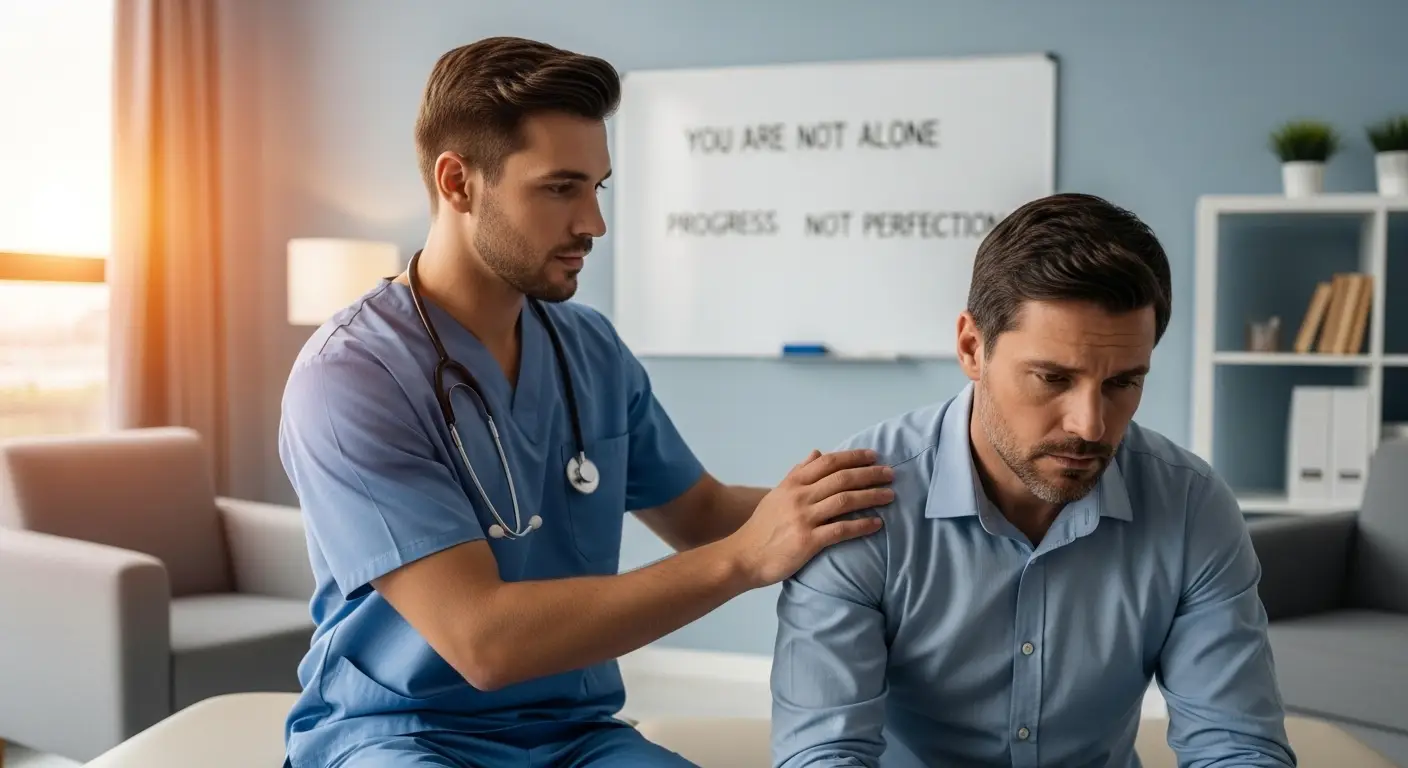
Mental health nurses are trained to create safe environments where patients feel heard and respected. They learn to observe subtle cues, ask thoughtful questions, and respond without judgment. This level of care can transform a patient’s willingness to seek treatment and remain engaged in the recovery process.
The work is emotionally demanding. Nurses must manage their own well-being while supporting others through difficult experiences. Yet many professionals remain committed to the field because they witness real change in their patients’ lives. Progress may be gradual, but it is meaningful.
Integrating Mental Health into Overall Healthcare
Healthcare systems are increasingly recognizing the connection between mental and physical health. Conditions such as diabetes, heart disease, and chronic pain are often influenced by mental health factors. When psychological needs are addressed alongside physical conditions, patient outcomes improve.
Mental health nurses play a key role in this integrated approach. They collaborate with primary care providers, specialists, and social workers to ensure comprehensive treatment plans. This collaboration helps reduce hospital readmissions, improve medication adherence, and enhance overall quality of life for patients.
Technology has also expanded the reach of mental health services. Telehealth platforms allow psychiatric nurses to connect with patients in rural or underserved areas. While technology cannot replace human connection, it provides a valuable bridge for those who might otherwise go without care.
A Career That Responds to Real-World Needs
Choosing a career in mental health nursing is not simply a professional decision. It is a response to a growing and urgent need within society. As awareness of mental health continues to rise, the demand for skilled professionals will remain strong.
This field offers diverse career paths, from direct patient care to leadership, research, and education. Mental health nurses influence policy, contribute to public health initiatives, and help shape the future of healthcare systems. Their work reaches beyond individual patients and into communities.
For those entering the profession, the rewards are often found in moments that cannot be measured easily. A patient who returns to school after treatment. A family that gains stability. A conversation that shifts someone’s perspective on their own well-being. Mental health nursing stands at the intersection of science, compassion, and advocacy. It requires resilience and dedication, but it also offers the opportunity to make a lasting impact. In a time when mental health concerns are more visible than ever, this career remains one of the most critical and necessary paths in modern healthcare.