
Orthodontics has come a long way from the days of metal braces and headgear. Today, patients have a variety of options to straighten teeth, improve bite alignment, and maintain oral health with less visible appliances. Understanding these modern approaches can help individuals make informed decisions about their dental care.
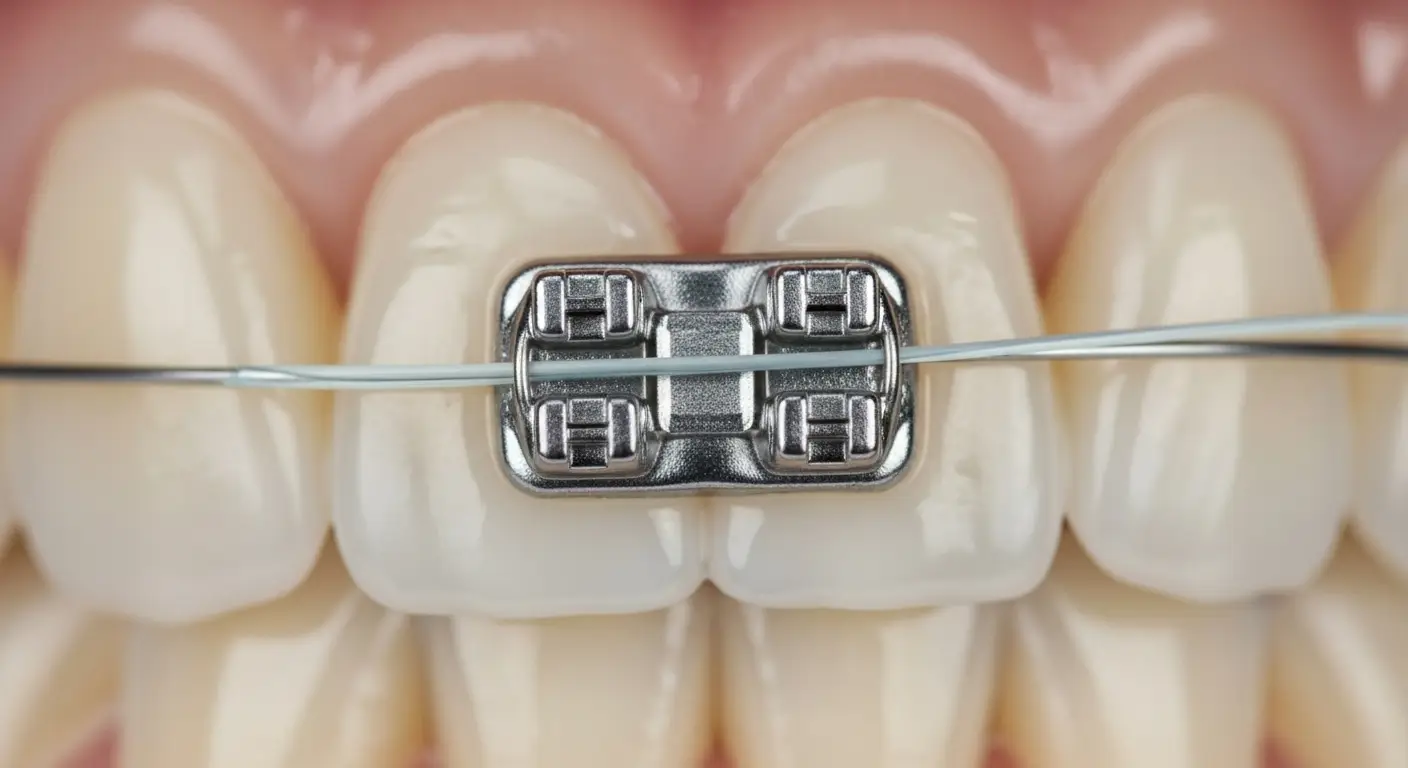
Traditional Braces: Time-Tested and Effective
Traditional braces remain one of the most reliable methods for correcting misaligned teeth and complex bite issues. Composed of metal brackets and wires, they gradually shift teeth into proper alignment. While highly effective, they require regular adjustments and diligent oral hygiene to prevent plaque buildup around brackets. For many patients, especially children and teens, braces are a straightforward and proven solution.
Clear Aligners: A Discreet Alternative
Clear aligners, such as Invisalign, offer a less conspicuous way to achieve a straighter smile. These custom-made trays are removable and nearly invisible, making them a preferred option for adults or teens concerned with aesthetics. Invisalign treatment is designed to address a range of orthodontic issues, from minor crowding to more complex spacing problems. Professionals like Dr. Marc Lazare often evaluate patients to ensure the aligners are the right fit and that treatment progresses effectively, combining convenience with precise, science-backed results.
Ceramic Braces and Lingual Options
For patients seeking a compromise between traditional braces and clear aligners, ceramic braces provide a tooth-colored alternative that blends in with natural teeth. Lingual braces, which attach to the back of teeth, offer another discreet option, though they may require longer adjustment periods due to their placement. Both methods provide effective results while minimizing the visual impact often associated with metal braces.
Considerations When Choosing an Orthodontic Method
When deciding on an orthodontic treatment, several factors should be considered, including the complexity of the dental issue, patient age, lifestyle, and comfort with appliance visibility. Cost, treatment duration, and follow-up requirements also play important roles. Consulting a qualified orthodontist ensures that the selected method aligns with the patient’s specific needs and oral health goals.
Final Thoughts
Modern orthodontics offers a range of solutions for achieving a healthy, well-aligned smile. From traditional braces to innovative clear aligners, patients can find a treatment that balances effectiveness, comfort, and discretion. By understanding the differences between these options and seeking professional guidance, individuals can make informed choices that support long-term oral health.