
Dr Gina Sims Gastroenterologist Shares Diet Choices That Support Daily Digestive Health
Who is Dr Gina Sims, Gastroenterologist, and why do her diet choices matter for digestive health?
Dr Gina Sims is a board-certified gastroenterologist who works daily with patients dealing with bloating, acid reflux, constipation, irritable bowel syndrome, and long-term gut discomfort. Her clinical focus sits at the point where food habits, gut function, and everyday health meet. When Dr Gina Sims, gastroenterologist, talks about diet, she is not sharing trends or quick fixes. She is explaining food choices she sees working repeatedly in real patients, across different ages, lifestyles, and medical histories.
I am writing this for anyone who feels that their digestion is “mostly fine” but not quite right, or for those who are tired of guessing which foods help and which make things worse. Digestive health is not about perfection. It is about daily patterns that support how your gut actually works.
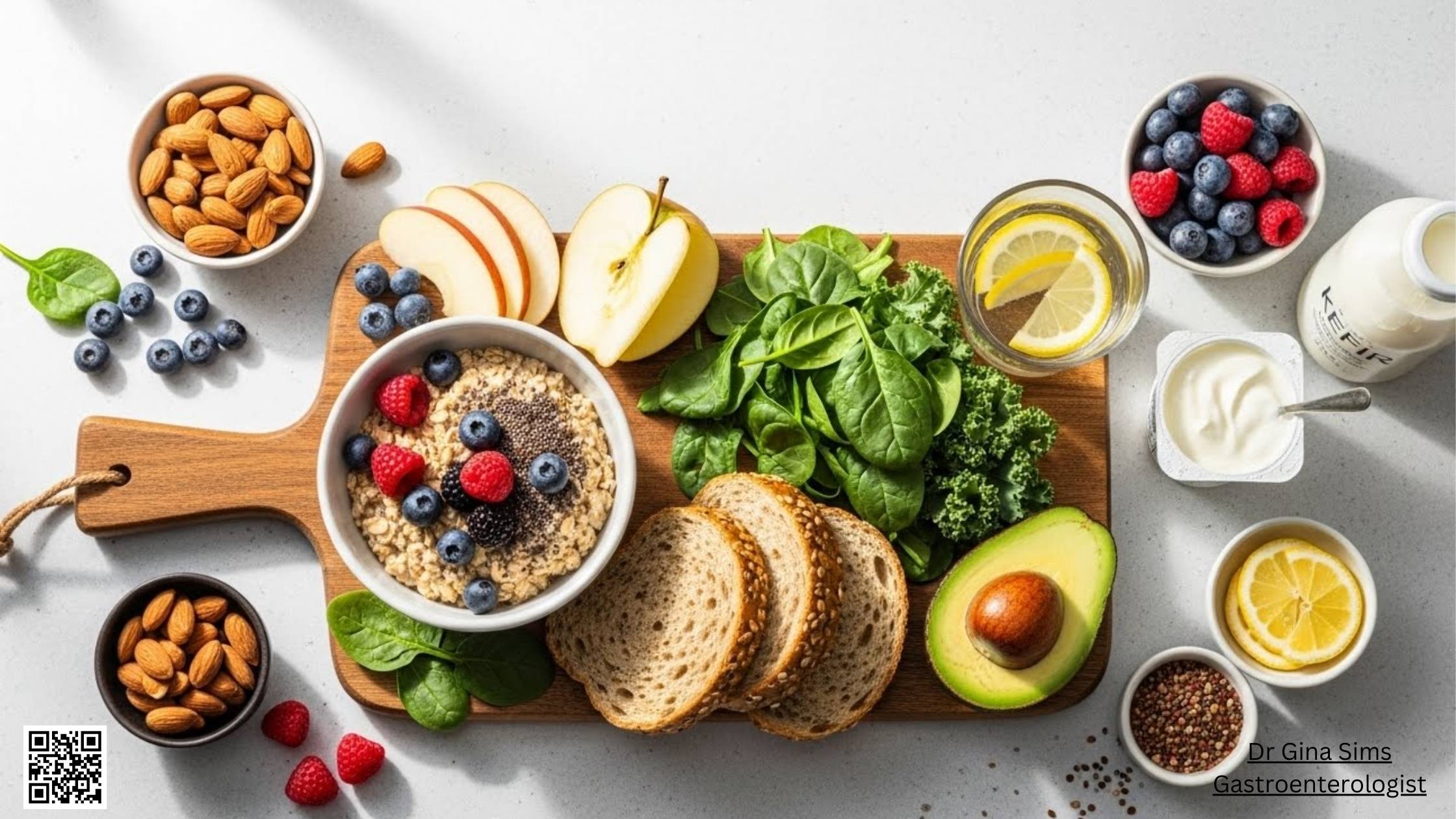
Why Daily Digestive Health Depends on Food Choices More Than Supplements
Many people assume digestive health issues start in the stomach. In reality, digestion involves the mouth, oesophagus, stomach, small intestine, large intestine, gut bacteria, hormones, nerves, and even sleep patterns. Dr Gina Sims, gastroenterologist, often points out that supplements rarely fix problems created by daily eating habits.
I see this play out often. Someone adds probiotics but continues skipping meals, eating quickly, or relying on ultra-processed foods. The gut struggles because it responds to routine, not isolated interventions.
Daily digestive support comes from:
- Regular meal timing
- Foods that feed beneficial gut bacteria
- Adequate fibre and fluid balance
- Reducing irritation to the gut lining
- Supporting gut motility and enzyme activity
Diet shapes all of these.
How the Digestive System Responds to Everyday Eating Patterns
Before talking about specific foods, it helps to understand what your digestive system expects from you. The gut operates on predictable signals. When meals arrive at irregular times or consist mainly of refined carbohydrates and fats, digestion slows or becomes erratic.
Dr Gina Sims, gastroenterologist, explains digestion as a coordinated process rather than a single organ task. Chewing signals stomach acid release. Fibre signals movement in the colon. Fermented foods signal beneficial bacteria growth. When one piece is missing, symptoms appear.
Common signs daily diet is not supporting digestion include:
- Bloating after normal-sized meals
- Constipation or loose stools that alternate
- Acid reflux late in the day
- Feeling overly full or sluggish after eating
These are not rare conditions. They are feedback signals.
Core Diet Principles Dr Gina Sims Recommends for Gut Stability
Rather than focusing on “good” or “bad” foods, Dr Gina Sims, gastroenterologist, looks at consistency, balance, and gut tolerance. Her guidance often centres on principles rather than strict plans.
Eat to Support Gut Motility
Gut motility refers to how efficiently food moves through the digestive tract. Slow motility leads to constipation and bloating. Fast motility can lead to diarrhoea and nutrient loss.
Foods that support steady motility include:
- Soluble fibre from oats, lentils, chia seeds
- Insoluble fibre from vegetables and whole grains
- Adequate water intake throughout the day
Skipping fibre or fluids forces the gut to compensate, often poorly.
Reduce Chronic Irritation to the Gut Lining
Repeated irritation leads to symptoms even without a diagnosed condition. Spicy foods, excessive caffeine, alcohol, and heavily fried meals can irritate the gut lining over time.
This does not mean total avoidance. It means paying attention to frequency and timing. A late-night spicy meal behaves very differently in the gut than a balanced midday meal.
Feed the Gut Microbiome Consistently
The gut microbiome refers to trillions of bacteria living primarily in the large intestine. These bacteria help digest fibre, produce short-chain fatty acids, and support immune balance.
Dr Gina Sims, gastroenterologist, often stresses that gut bacteria thrive on consistency, not extremes.
Fibre Choices That Support Digestive Comfort
Fibre is often misunderstood. Many people either consume too little or suddenly increase intake and feel worse. The type of fibre matters as much as the amount.
Soluble Fibre and Its Role in Stool Balance
Soluble fibre absorbs water and forms a gel-like substance in the gut. This helps regulate stool consistency.
Common soluble fibre sources include:
- Oats and oat bran
- Apples and pears
- Beans and lentils
- Psyllium husk
For people with sensitive digestion, soluble fibre is usually better tolerated initially.
Insoluble Fibre and Bowel Movement Regularity
Insoluble fibre adds bulk and stimulates bowel movements. It supports regularity but can worsen bloating if added too quickly.
Sources include:
- Whole wheat
- Brown rice
- Nuts and seeds
- Vegetable skins
Dr Gina Sims, gastroenterologist, often suggests balancing both fibre types rather than focusing on one.
Fibre Intake and Gradual Adjustment
A common mistake is increasing fibre suddenly. The gut needs time to adapt. A gradual increase over two to three weeks reduces gas and discomfort.
Protein Sources That Are Easier on Digestion
Protein is essential, but digestion varies by source and preparation method. Some proteins digest slowly and increase gut workload.
Animal Proteins and Digestive Load
Lean animal proteins tend to be easier to digest than fatty cuts. Cooking methods also matter.
Better tolerated options include:
- Baked or grilled fish
- Skinless poultry
- Eggs
Heavy red meats, especially fried or processed, take longer to break down and may increase reflux or bloating.
Plant Proteins and Fermentation Effects
Plant proteins often come with fibre, which benefits digestion but can increase gas initially.
Common plant protein sources:
- Lentils and chickpeas
- Tofu and tempeh
- Quinoa
Dr Gina Sims, gastroenterologist, often advises soaking legumes and introducing them slowly.
Fats That Support Digestive Function Without Slowing It
Fat is necessary for nutrient absorption and hormone production. However, excess or poor-quality fat slows stomach emptying.
Healthier Fat Choices for Gut Comfort
Fats that are generally easier on digestion include:
- Olive oil
- Avocado
- Nuts in moderate portions
- Fatty fish like salmon
These fats support bile production without overwhelming digestion.
Fats That Commonly Trigger Symptoms
Highly processed fats, deep-fried foods, and trans fats are harder for the digestive system to handle consistently.
Symptoms often include:
- Acid reflux
- Greasy stools
- Post-meal heaviness
Reducing frequency often improves symptoms without full elimination.
Carbohydrates and Their Impact on Bloating and Energy
Carbohydrates fuel digestion, but not all carbs behave the same way in the gut.
Complex Carbohydrates and Stable Digestion
Complex carbs digest slowly and support steady energy release.
Examples include:
- Brown rice
- Sweet potatoes
- Oats
- Whole grains
These foods also provide fibre, supporting bowel function.
Refined Carbohydrates and Rapid Fermentation
Refined carbs digest quickly and can ferment rapidly in the gut, increasing gas.
Common examples:
- White bread
- Sugary cereals
- Pastries
Dr Gina Sims, gastroenterologist, often notes that frequent refined carb intake can worsen bloating even without food intolerances.
The Role of Fermented Foods in Daily Gut Health
Fermented foods introduce beneficial bacteria that support microbiome balance.
Common Fermented Foods That Support Digestion
- Yoghurt with live cultures
- Kefir
- Sauerkraut
- Kimchi
- Miso
Small, regular portions tend to be better tolerated than large servings.
When Fermented Foods May Cause Discomfort
Some people experience bloating when starting fermented foods. This often improves with time. Starting slowly is key.
Hydration and Digestive Efficiency
Water supports every stage of digestion. Without adequate fluid, fibre cannot do its job.
How Much Water the Gut Actually Needs
Needs vary by body size, activity level, and climate. Rather than targeting a fixed number, Dr Gina Sims, gastroenterologist, suggests monitoring urine colour and stool consistency.
Signs hydration may be low:
- Hard stools
- Infrequent bowel movements
- Dry mouth
Timing of Fluid Intake
Sipping water throughout the day supports digestion better than large amounts at meals.
Meal Timing and Digestive Rhythm
The digestive system follows circadian rhythms. Eating patterns influence enzyme release and gut movement.
Regular Meals and Digestive Predictability
Skipping meals or eating late disrupts digestive signals. Regular meal timing supports steady motility.
Late-Night Eating and Reflux
Eating close to bedtime increases reflux risk because gravity no longer assists digestion.
Foods Commonly Linked to Digestive Sensitivity
Some foods commonly trigger symptoms, though tolerance varies widely.
Common Triggers to Monitor
- Excess caffeine
- Alcohol
- Carbonated drinks
- Artificial sweeteners
Tracking symptoms helps identify individual patterns.
Digestive-Friendly Food Choices by Category
| Category | Better Tolerated Options | Common Triggers |
| Fibre | Oats, lentils, chia | Sudden fibre overload |
| Protein | Fish, eggs, tofu | Fried meats |
| Fats | Olive oil, avocado | Trans fats |
| Carbs | Brown rice, oats | Refined sugars |
| Fermented | Yoghurt, kefir | Large initial servings |
Digestive Health in Real Life, Not Perfect Conditions
Dr Gina Sims, gastroenterologist, emphasises practicality. Real people eat out, work long hours, and deal with stress. Digestive support does not require flawless meals.
Simple daily habits matter more:
- Eating slowly
- Chewing thoroughly
- Stopping before feeling overly full
- Noticing patterns rather than blaming single foods
Stress, Digestion, and the Gut-Brain Connection
The gut and brain communicate constantly through the vagus nerve. Stress changes gut movement and enzyme release.
Even a well-balanced diet may fail under chronic stress. This explains why symptoms flare during busy periods.
When Diet Alone Is Not Enough
Diet supports digestion but does not replace medical care when needed. Persistent symptoms require evaluation.
Warning signs include:
- Unexplained weight loss
- Blood in stool
- Ongoing pain
- Night-time symptoms
Dr Gina Sims, gastroenterologist, encourages early evaluation rather than long-term self-management when red flags appear.
Long-Term Digestive Health Comes From Repetition, Not Rules
Digestive health improves through patterns repeated over time. There is no single meal that fixes the gut, just as no single meal ruins it.
What stands out in Dr Gina Sims’ guidance is realism. Eating habits that support digestion should fit into everyday life, not fight it.
If you focus on balanced fibre intake, steady hydration, regular meals, and reduced irritation, digestion often improves quietly, without drama. That is usually the sign the gut is finally getting what it needs.