A healthier day starts with the first moments after waking. The furniture you interact with during the morning has a direct effect on your posture, circulation, breathing, and mental clarity. Making thoughtful choices for this window of the day gives your body a stronger baseline before work, commuting, or daily obligations begin.
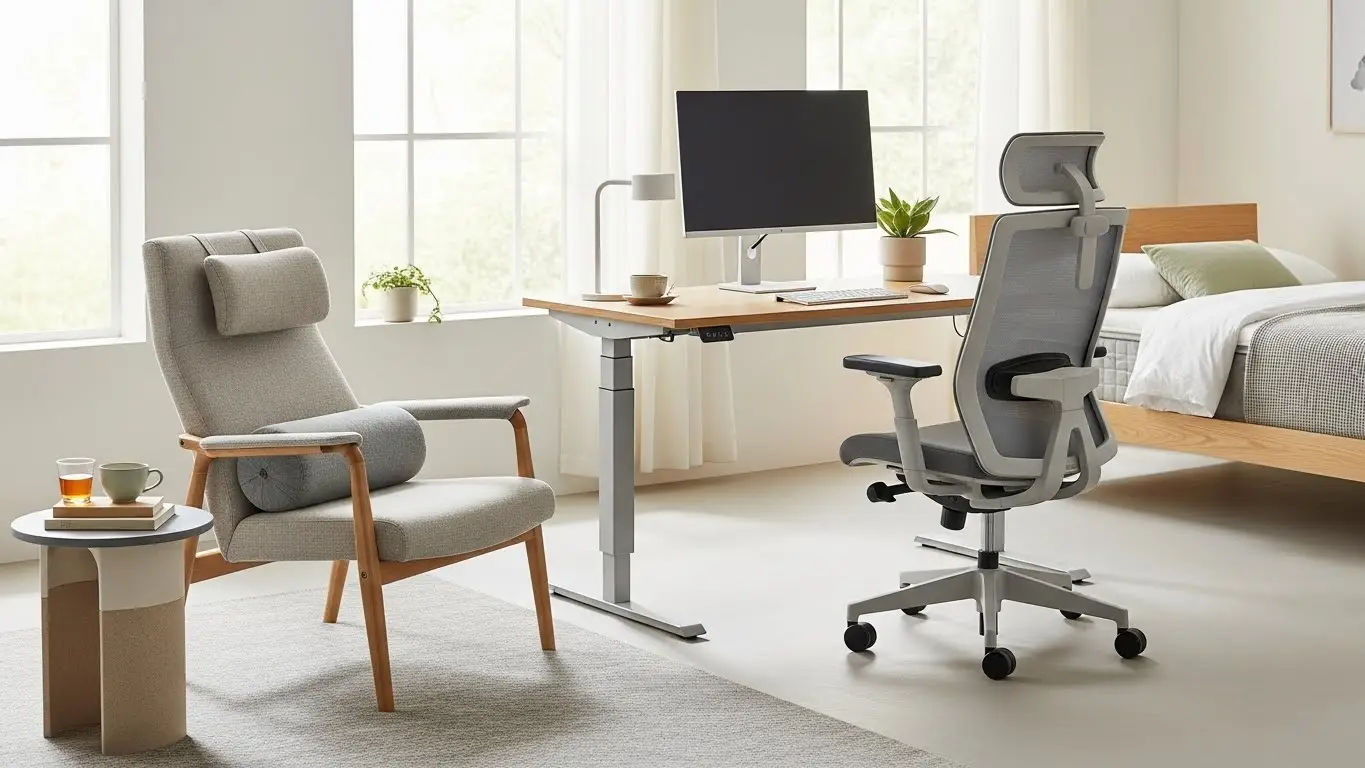
A supportive mattress shapes the quality of your sleep and influences how your back behaves for the next sixteen hours. A mattress that is too soft allows the pelvis to sink and forces the spine into unnatural curvature. A mattress that is too firm compresses the shoulders and hips and restricts blood flow. A medium supportive option, chosen according to your weight, sleeping position, and joint sensitivity, usually produces the most stable alignment. People with broader shoulders often benefit from mattresses that allow sinking at the shoulder zone while holding the lumbar region steady. Those who sleep on their backs need an even firmness pattern so the spine maintains a neutral curve without dips.
A pillow should keep your neck aligned with your spine. A tall pillow pushes the head upward and strains the neck muscles. A flat pillow drops the head backward and stresses the throat and upper spine. Side sleepers often need a higher pillow than back sleepers because the shoulder creates distance between the head and the mattress. Back sleepers usually feel better with thinner pillows that don’t tilt the head forward. Stomach sleepers, although this position is tough on the spine, often require the thinnest pillows or none at all to avoid compressing the lower back.
A bedside table plays a small but important role in morning comfort. The ideal height is level with or slightly above the mattress so reaching for a lamp or a glass of water does not require twisting. A table that is too low makes the spine rotate and bend at an awkward angle. Shallow drawers limit clutter and help maintain a calmer morning routine. A cluttered surface triggers small stress responses and reduces your ability to focus.
The first chair you sit on after getting out of bed influences how your hips and core wake up. Many people choose a soft lounge chair for this moment, but a chair with moderate firmness actually supports the pelvis better. When the seat is too deep or too soft, the lower back rounds and the abdominal muscles disengage. A seat with a slight forward tilt helps activate the hip flexors and prepares the body for standing and walking. Even a simple wooden chair with a stable backrest can help the body shift from sleep mode into gentle activity.
Lighting plays a role as well. A lamp that diffuses warm light during the early morning supports alertness without shocking your eyes. Harsh overhead lighting right after waking causes unnecessary strain and discomfort. Adjustable floor lamps or bedside lamps with gradient lighting support smoother transitions from sleep to movement. Natural light, when available, regulates circadian rhythm and influences mood for the rest of the day.
Rugs and flooring affect joint comfort during morning routines. A soft rug near the bed cushions the feet and reduces the immediate pressure on heels and knees. Hard flooring like ceramic tile or concrete sends a jolt up the lower leg when the foot first touches the ground. Although the effect is small, repeating this action daily adds up. A supportive rug reduces that micro strain.
The morning reset establishes the foundation for the rest of the day. When every piece of furniture helps your body wake up with minimal tension, your posture stays more stable during long work hours, your breathing remains smoother, and your mind stays calmer. Each choice in this early zone of the day creates a chain reaction that influences physical and mental health long after you leave the bedroom.
The Work Block. Choosing Supportive Pieces for Long Hours of Sitting
Most people spend the largest uninterrupted portion of their day in a workstation. Furniture used during these hours, whether at home or in an office, plays a major role in joint health, eye comfort, and muscle tension. The goal is not to create a perfect workstation, but a zone that supports steady alignment and encourages small adjustments throughout the day.
A work chair should stabilize the pelvis. A stable pelvis supports the spine and prevents slouching. Look for a seat that allows your feet to rest flat on the floor, your knees to bend at a natural angle, and your hips to remain level. A seat that is too high lifts the feet, causing pressure to build in the back of the thighs. A seat that is too low forces the knees above the hips and rounds the lower back. The backrest should follow the lumbar curve without pushing aggressively into it. A subtle contour encourages the spine to stay upright without forcing it.
Armrests should allow the shoulders to stay neutral. When armrests are too high, shoulders lift and tighten. When they are too low, shoulders collapse. Adjustable armrests help maintain a natural shoulder position and prevent upper back fatigue. Many people overlook armrest width. Armrests that are too wide force the elbows outward, which stresses the upper back. Narrower spacing keeps the arms closer to the torso and reduces unnecessary tension.
A desk must match your height and work style. If the desk is too tall, the shoulders rise with every keystroke. If it is too short, you lean forward and strain your neck. A good height allows your elbows to form a comfortable angle while typing. Some people benefit from sit to stand desks because they allow posture changes several times per day. Standing for short intervals reduces lower back pressure and activates the leg muscles. However, standing all day creates its own problems, including foot fatigue. The value comes from switching positions, not staying in any one position for long.
Laptop stands and monitor risers keep the neck in a neutral angle. When screens sit too low, the head tilts downward and adds strain to the neck and upper back. When screens sit too high, the neck tilts upward and stresses the throat and jaw. Raising a laptop with a stand and pairing it with an external keyboard and mouse creates a much healthier setup.
Footrests benefit people whose feet do not comfortably reach the floor. A stable footrest keeps the hips level and prevents the thighs from bearing too much pressure. It also prevents the lower back from collapsing.
Lighting is often underestimated. Overhead lighting that creates glare on screens increases squinting and eye strain. Task lighting with adjustable intensity keeps visual focus stable. Placing lights at an angle avoids reflections on monitor surfaces.
Storage furniture influences movement. A workspace with drawers or shelves at reachable heights reduces awkward bending and twisting. Items used frequently should stay within arm’s reach, avoiding repeated motions that strain the shoulders or lower back.
Sound absorbing furniture improves concentration. Upholstered dividers, rugs, and soft materials reduce noise and create a clearer mental environment for attention. This may seem unrelated to physical health, but mental strain during work contributes to physical tension, especially in the neck and shoulders.
Buttoned seating like restaurant chairs might look visually appealing in a home office, but they rarely offer the spinal stability needed for long work sessions, so keeping them for short sitting periods is wise.
A well designed work block creates the conditions for productive hours without draining your body. When furniture supports steady alignment and small movements, your body maintains energy and clarity until the end of the day.
The Movement Gap. Furniture That Encourages Your Body to Stay Active Indoors
Modern homes often limit natural movement. Many living rooms rely on deep sofas and heavy lounge seating that encourage long periods of stillness. Movement declines without anyone noticing, and the body slowly stiffens. Choosing the right furniture adds healthy motion back into the daily routine.
A sofa with moderate depth helps you sit upright without collapsing into the backrest. Deep sofas push the pelvis backward and round the lower spine. Moderate depth encourages better posture and easier transitions from sitting to standing. Firm cushions support the hips and reduce sinking.
Modular seating promotes movement simply by inviting people to shift positions. When sections can be rearranged or rotated, the body stays more alert. Even small changes like adjusting a cushion or sliding a segment create micro movements that support joint health. The goal is not constant movement, but small adjustments spread throughout the evening.
Coffee tables and side tables influence reach and posture. Tables with an appropriate height reduce leaning and twisting. A table that is too low requires bending forward repeatedly. A table that sits too high forces the shoulders upward. A balanced height supports smoother interactions with the surrounding space.
Ottomans and footstools help with leg positioning. Resting the legs at a moderate elevation reduces pressure on the lower back and improves blood flow. However, using an ottoman all night can lock the knees in a single position. Switching between legs elevated and legs grounded provides the healthiest rhythm.
Storage furniture shapes movement. Shelves placed slightly above eye level encourage reaching upward and activating the upper back muscles. Drawers at waist height reduce awkward bending. Cabinets that require a gentle squat encourage leg strength and stability. A home that distributes storage at varying heights creates natural movement without structured exercise.
Dining areas influence posture and digestion. A dining table should allow the torso to stay upright while eating. Chairs with supportive backs prevent slouching. When people eat on sofas, posture collapses and digestion slows. Eating at an appropriately sized table stabilizes the spine and relaxes the diaphragm.
Floor seating options like cushions and low stools introduce entirely different movement patterns. Sitting on the floor encourages the hips to rotate, the knees to bend, and the spine to work differently. Switching from chair height to floor level occasionally supports joint mobility.
Movable lighting allows you to adjust posture without straining your eyes. Changing light positions encourages shifting your sitting angle, which reduces static pressure on joints.
Plants and décor also influence movement. When items require tending, watering, or adjusting, they create small opportunities to move. While not furniture in the traditional sense, they change how you navigate the room and add gentle motions into your daily routine.
Furniture in the movement gap should support variety. The living room becomes healthier when it encourages gentle shifts rather than locking the body into one position for hours.
The Connection Window. Social Furniture That Improves Mood and Reduces Stress
Evening hours often involve interacting with others. Furniture in these zones shapes communication quality, emotional comfort, and overall stress. Choosing pieces that encourage healthier social interactions improves mental wellbeing and strengthens relationships.
Sofas with upright backs support face to face conversation. When lounges are too deep, people lean backward and tilt their heads, making communication less natural. Slightly curved sofas help people angle toward each other without twisting. Symmetrical seating arrangements create a balanced environment where everyone feels included.
Chairs that provide stable support help people relax without collapsing. When chairs lack structure or are too soft, people shift constantly and unconsciously guard their posture. Supportive chairs allow the body to relax without straining.
Table height influences group dynamics. A table that sits too high divides the visual space and creates a barrier between people. A table that is too low forces everyone to lean forward and increases physical tension. A moderate height supports steady posture and comfortable interaction.
Textures affect emotional comfort. Soft fabrics provide a calming sensation, while rough textures stimulate alertness. Choosing a mix of textures creates balance. Upholstery that allows airflow prevents overheating and reduces discomfort during long conversations.
Lighting shapes mood and communication. Warm, diffused lighting supports calm interaction. Cooler lighting encourages alertness but can feel harsh at night. Layered lighting, combining floor lamps, small table lamps, and ceiling lights, lets you adjust the atmosphere for different activities.
Spacing matters. People need room to shift without bumping into each other. When furniture is too close, the body stays tense. When the space is too large, conversations feel fragmented. Moderate spacing promotes natural interaction.
Acoustic considerations play a role. Furniture with soft materials absorbs sound and reduces echo. Rooms with too many hard surfaces amplify noise and make conversations tiring. Area rugs, upholstered chairs, and curtains help create acoustic comfort.
Multi seating arrangements let people choose how close or far they want to sit. Some people prefer side by side seating, while others prefer across the room. Offering a variety of seating types creates inclusivity.
A well arranged social zone supports healthier emotional states. When furniture promotes steady posture, clear visibility, and comfortable spacing, people feel more open and less tense. Healthy social connection contributes strongly to mental wellbeing.
The Night Wind Down. Designing Rest Zones That Prepare the Mind and Body for Sleep
Evening routines influence sleep quality more than many realize. Furniture used during wind down hours should help the body shift from daytime tension to nighttime relaxation. The goal is gradual decompression.
A lounge chair with proper back support helps the spine relax without sinking deeply. Deep recliners may feel comfortable at first, but they often tilt the pelvis backward and strain the lower back. A chair with a slight recline and a well positioned lumbar area supports better relaxation.
Side tables at reachable height reduce unnecessary stretching or twisting when placing books, glasses, or drinks nearby. Physical strain during the final minutes before bed can spike alertness and interrupt the transition to sleep.
Soft lighting plays a central role. Bright lighting late at night disrupts melatonin production and keeps the mind active. Warm lighting around 2700k supports relaxation. Dimmable lamps help reduce stimulation gradually.
Breathable fabrics in seating and bedding help regulate temperature. Overheating raises the heart rate and interferes with falling asleep. Materials like cotton, linen, bamboo, and wool allow air circulation.
Headboards influence posture during reading. A padded headboard with gentle support lets you sit upright without straining your shoulders. Leaning against a hard headboard or several pillows forces the neck forward.
Clutter reducing furniture helps calm the mind. Open surfaces with too many objects create mental stimulation. Storage pieces that hide items create visual rest and help the brain settle.
Rugs soften the environment and prevent cold shock when stepping onto the floor. Cold flooring late at night can trigger alertness.
Mirrors should be used carefully. Reflections catch the eye and create stimulation. Positioning mirrors away from the bed reduces this effect.
Well chosen night wind down furniture supports both physical comfort and mental quietness, helping the body enter sleep more easily.
The Health Loop. A Simple Framework for Evaluating Any Furniture Before You Buy
Choosing healthy furniture becomes easier when you follow a structured evaluation process. This final section offers a practical five point test that applies to any piece, from a small stool to a major investment.
1. Alignment check.
Sit, lie down, or interact with the piece. Notice whether your spine stays neutral. Your neck should not tilt sharply. Your lower back should not collapse. Your pelvis should remain stable. If a piece forces your body into a strange angle, it will not serve you well in the long run.
2. Movement freedom check.
A healthy piece of furniture allows small posture changes without becoming unstable. If you feel locked into a rigid position, the item may cause strain over time. Chairs should permit small hip shifts. Sofas should support adjustments. Beds should not trap the shoulders or hips.
3. Material safety check.
Look for materials with low chemical emissions. Solid wood, responsibly produced plywood, natural fabrics, and certified foams reduce exposure to potentially irritating substances. Review product details for VOC ratings or certifications. Materials should feel breathable and comfortable on the skin.
4. Durability and repairability check.
A piece that wears out quickly or cannot be repaired contributes to waste and long term cost. Strong joints, sturdy stitching, and replaceable components indicate longevity. Buying once, with repair options available, reduces environmental and financial stress.
5. Emotional comfort check.
Furniture supports mental wellbeing by influencing calmness, focus, and pleasure. A piece should feel inviting, stable, and suitable for your lifestyle. If you feel irritated by its texture, shape, or spacing, it will not contribute positively to your home.
Applying these five points helps you evaluate furniture with clarity. You avoid impulse purchases and choose items that support your health across daily cycles.
Source: https://drginasam.net/