
Gut health gets a lot of attention these days. People talk about probiotics. They talk about diet changes. They talk about bloating and balance. The conversation feels big. The funny thing is that some of the most promising breakthroughs come from very small pieces of tech.
Work in functional gastroenterology keeps drifting toward tools that control tiny volumes with a level of precision that once felt impossible. Researchers now push past old limits and step into new territory with confidence.
When Accuracy Shrinks
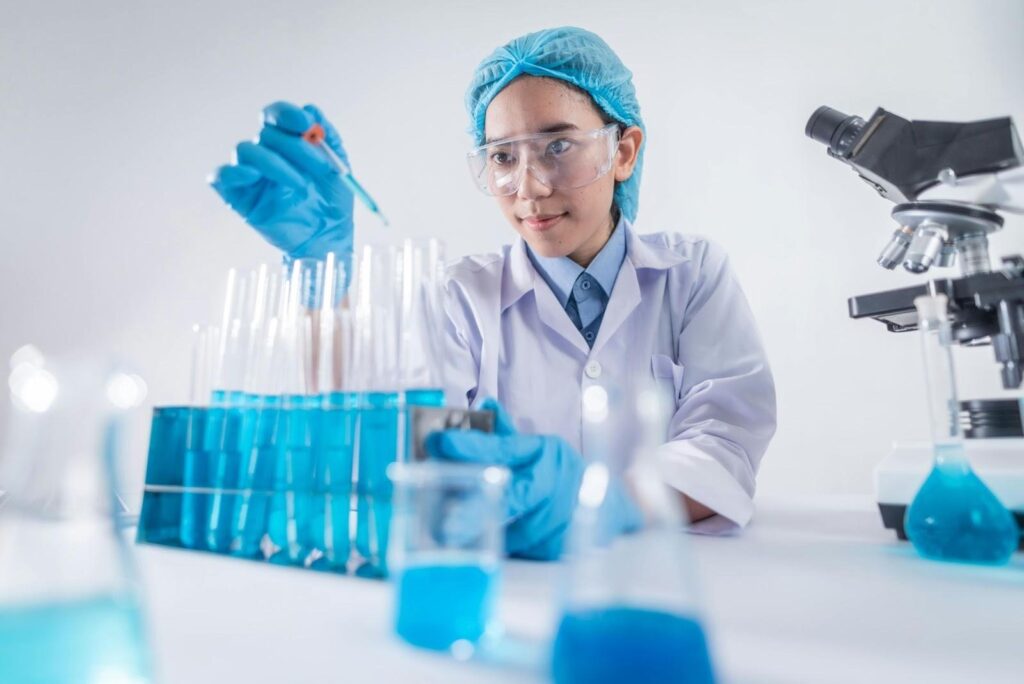
One tool stands out in this shift. Many labs rely on picoliter dispensing for experiments that need extreme accuracy. The name sounds intense. The idea is simple. The system moves unbelievably small droplets. It moves them without waste. It places them exactly where researchers need them.
This kind of accuracy changes the pace of discovery. It gives scientists more control. It leaves less room for noise in sensitive assays. It helps them map out tiny interactions inside the gut that used to stay hidden.
Gut Health Needs Better Tools
Functional gastroenterology deals with a messy environment. The gut is full of signals and microbes and shifting conditions. It does not behave the same way twice. The research feels complicated. Small mistakes turn into major gaps in data.
So researchers want tools that cut down on risk. They want tighter workflows. They want clearer patterns in tiny samples. Miniaturized dispensing systems help them chase that clarity. The technology supports early-stage studies that track cell behavior. It reduces the chance of sample drift. It also keeps budgets under control because every drop counts.
Why Small Drops Lead to Big Discoveries
The gut is a busy ecosystem. Scientists want to break it down. They want to isolate reactions at levels that mimic real life inside the body. Small-volume work lets them test subtle conditions. A slight shift in pH. A minor change in nutrient levels. A tiny burst of microbial activity.
These changes matter. When the droplets shrink, the testing field opens up. Researchers run more replicates. They try different combinations with less hesitation. They generate data that feels closer to what actually happens inside the digestive tract.
Crossing the Gap Between Biology and Engineering
Modern gastroenterology does not stand alone anymore. It leans on engineering. It leans on automation. It leans on tech that once sat only in physics labs. Picoliter systems show that shift in action. Engineers build them to be stable. They build them to stay accurate even during long runs. They build them so biologists can trust the results.
This blend of skill sets gives gut researchers something fresh. It gives them stable tools that behave the same way every time. It gives them a chance to explore the gut environment with sharper detail.
Personalized Insights Start With Tiny Volumes
There is growing interest in personalized gut health. People want plans built around their own microbiomes. They want clear answers. They want treatments that fit their bodies. That idea depends on data. It depends on repeatable measurements. It depends on reliable lab platforms that handle tiny samples.
Picoliter-level tools help shape this kind of care. They support assays that profile microbial behavior. They support studies that follow cell responses in detail. They allow researchers to test dozens of conditions on a small amount of starting material. The process moves personalized gut care closer to reality.
Faster Workflows, Cleaner Results
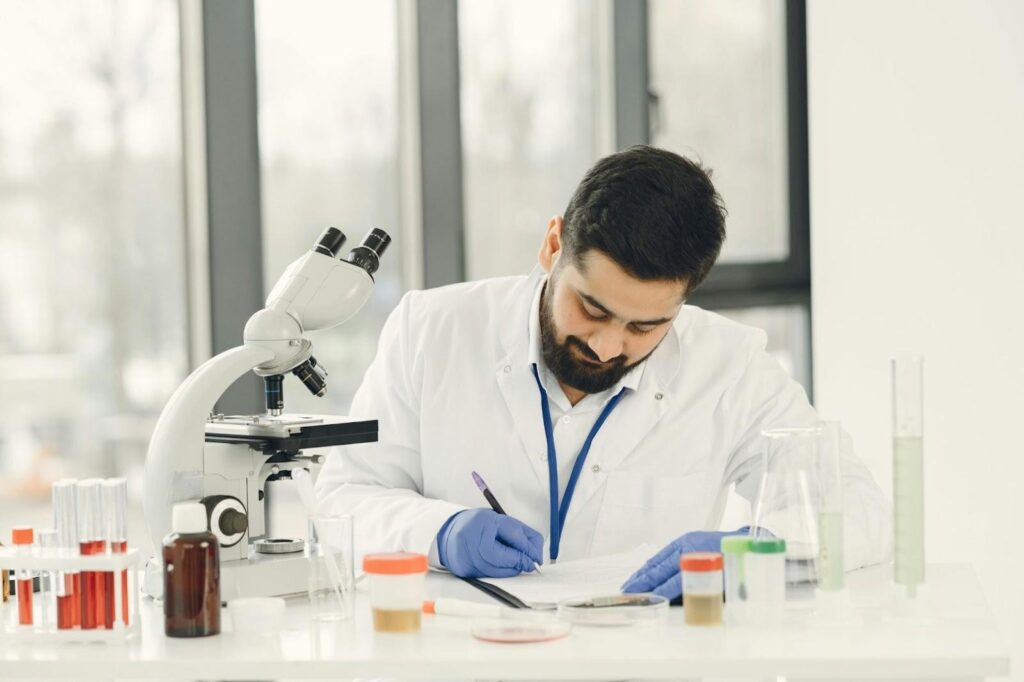
Research labs handle huge workloads. Teams want speed. They want accuracy. They want systems that simplify their daily routines. Miniaturized dispensing tools help reduce delays. They help reduce reagent waste. They help teams hit tighter timelines. The results often look cleaner. The data feels easier to interpret. The workflow becomes more consistent.
Tools that handle tiny volumes also fit into larger automated pipelines. They connect to imaging. They connect to analytics. They create a path toward smoother sample prep in digestive health studies.
A Tiny Step With Big Potential
The future of functional gastroenterology sits in these small advances. The field keeps leaning toward smaller droplets. It keeps leaning toward tech that watches tiny responses and converts them into meaningful insights.
Picoliter tools may look simple from the outside. They are not. They form part of a much larger shift toward a deeper understanding of gut function. They help researchers see what once stayed invisible. They help shape treatments that feel more targeted. They help turn gut science into something more predictable. The journey to better digestive health may come from these tiny steps that push big ideas forward.