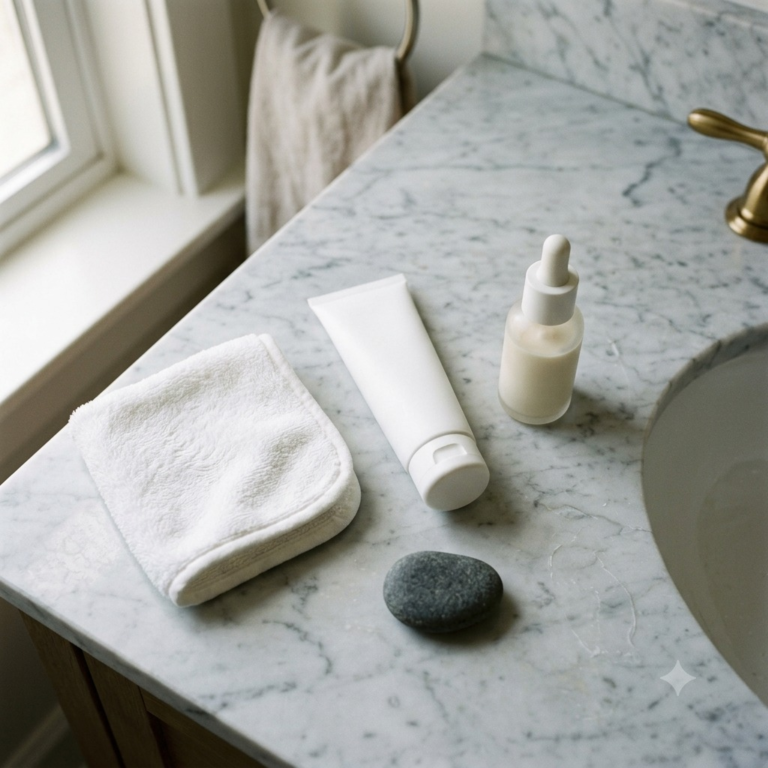
If you’ve tried every topical serum and cream yet still battle stubborn blemishes, eczema flare-ups, or dull, inflamed skin, the missing piece of your wellness puzzle may lie within your digestive system.
The connection is stronger than many realize; a 2022 review found that up to 54% of acne sufferers also experience measurable gut dysbiosis. The truth is, your next breakout might not be a surface-level issue but a signal from deep inside your gut.
This intricate relationship is known as the gut-skin axis. Your gut is home to an incredible number of microbes, estimated at approximately 10¹⁴ microbial cells across 1000 different bacterial species. This internal ecosystem influences everything from your mood to your skin’s health.
Likewise, your skin has its own microbiome, which is dominated by phyla like Actinobacteria and Firmicutes. When these internal and external ecosystems are balanced, they work together to reduce systemic inflammation and reinforce your skin’s protective barrier. However, an imbalance can lead to a “leaky gut,” allowing toxins to manifest as acne, rosacea, or psoriasis.
By aligning what’s on your plate with what’s in your bathroom cabinet, you can create a powerful inside-out strategy. This guide unpacks three holistic ways to harness the gut-skin connection. Doing so promotes a complexion that glows from within.
Way 1: Nourish Your Body from the Inside Out
True skin health begins with what you consume. Your diet directly feeds your microbiome, which in turn dictates the level of inflammation throughout your body. Focusing on gut-supportive nutrition is the foundational step to calming reactive skin and building resilience from within.
Prioritize Probiotic-Rich Foods
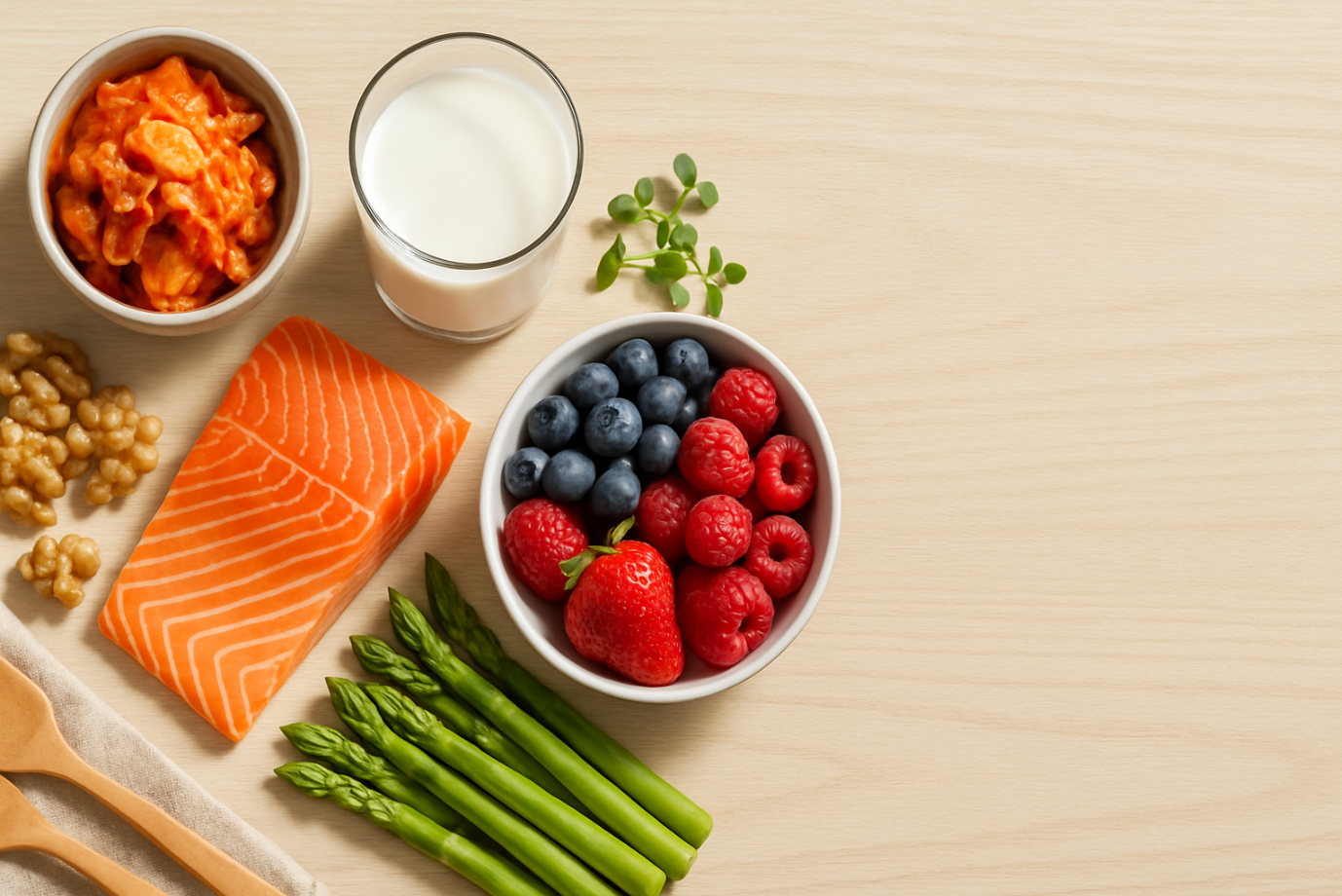
Probiotics are live, beneficial bacteria that help restore balance to your gut microbiome. Incorporating fermented foods like kimchi, kefir, sauerkraut, and miso is an excellent way to introduce a diverse range of these helpful cultures.
These foods compete with pathogenic bacteria and help reduce inflammatory markers linked to acne. If you opt for a capsule, look for strains with dermatological data, and consider rotating brands every few months to encourage microbial diversity.
Feed Your Flora with Prebiotics
Prebiotics are a type of dietary fiber that your beneficial gut bacteria feed on. Think of them as fertilizer for your internal garden. Foods like chicory root, green bananas, asparagus, oats, and cooled potatoes or rice are rich in prebiotic fibers like inulin and resistant starch.
These specifically fuel beneficial microbes that help strengthen the gut lining, but be sure to introduce them slowly if you are sensitive to FODMAPs.
Embrace Anti-Inflammatory Foods
Chronic, low-grade inflammation is a primary driver of many skin conditions. You can combat this by building your meals around anti-inflammatory powerhouses like wild salmon, chia seeds, and walnuts.
Aim for a “rainbow plate” filled with polyphenol-rich produce like berries and leafy greens to defend against oxidative stress. Spices like turmeric are also potent allies in inhibiting master inflammation switches in the body.
Minimize Common Skin Irritants
Just as important as what you add to your diet is what you limit. High-glycemic foods like sugary sweets and refined carbohydrates can spike blood sugar, worsening acne. Making simple swaps, like choosing extra-virgin olive oil over processed vegetable oils or limiting alcohol consumption, can make a noticeable difference in your skin’s clarity.
Consider Targeted Supplementation
While a food-first approach is always best, certain supplements can provide targeted support. Zinc is known for its wound-healing properties, and vitamin C is essential for collagen production. L-glutamine is an amino acid that serves as a primary fuel source for gut-lining cells.
Always consult with a qualified healthcare practitioner before beginning any new supplement regimen to ensure it’s right for you.
| Pro Tip: One of the quickest ways to reduce skin inflammation is to swap industrial seed oils (like corn and canola) for anti-inflammatory extra-virgin olive oil. This simple kitchen change directly supports gut health. |
Way 2: Support Your Skin with External Care
While internal health is the foundation, a supportive external routine is essential to protect your skin barrier. This means choosing treatments and daily habits that work in harmony with your body’s natural processes.
Explore Professional Holistic Facials
Holistic facials treat the face as an extension of your overall health. Unlike aggressive treatments that can strip the skin, these therapies focus on nourishment and balance.
Techniques like lymphatic drainage massage reduce puffiness and promote circulation of nutrient-rich blood to the skin cells. Tools such as gua sha and facial cupping help release facial tension that can constrict blood flow.
These treatments often incorporate microbiome-friendly formulations, like probiotic masks and gentle herbal steams, to support the skin’s delicate ecosystem. The goal is to calm the nervous system and enhance skin function, not just attack a symptom.
To preserve the benefits of a professional facial and prevent the reintroduction of irritants at home, daily hygiene is paramount. Traditional cotton towels can trap bacteria, creating a breeding ground for microbes that can trigger breakouts.
For a truly clean slate, many estheticians recommend single-use options like Clean Skin Club’s dermatologist-approved clean towels, which are biodegradable and ensure you’re not undermining your efforts.
Adopt Barrier-Friendly Daily Habits
Simple daily actions can have a profound impact on your skin’s health by reducing your exposure to bacteria and irritants. Rotating your pillowcases every two to three days is a simple yet effective strategy to minimize contact with breakout-causing buildup.
Similarly, wiping your phone screen down weekly can prevent the transfer of microbes to your cheeks and jawline.
| Pro Tip: Your pillowcase collects oils and bacteria while you sleep. Swapping it every 2-3 days is a simple, effective habit to prevent transferring breakout-causing buildup back onto your skin. |
Way 3: Build a Consistent, Integrated Routine
Consistency is where true transformation happens. Integrating your internal and external strategies into a seamless daily and weekly routine helps create lasting habits that support a clear, glowing complexion.
Your Daily Gut-Skin Blueprint
Creating a simple, repeatable routine removes the guesswork and ensures you’re consistently supporting your body.
- Morning: Start your day with warm water and lemon to stimulate digestion. For your skin, use a gentle cleanser, an antioxidant serum, and a broad-spectrum SPF to shield your skin from UV damage.
- Evening: Focus on a dinner rich in prebiotic fiber to feed your gut microbes overnight. For your skin, a double cleanse is ideal to thoroughly remove makeup and sunscreen. Finish with a barrier-repairing serum containing ingredients like niacinamide and ceramides to support overnight healing.
A great way to build consistency is through “habit-stacking.” For instance, take your daily probiotic capsule right after you apply your morning sunscreen to link the two habits together.
Monthly Rituals for Long-Term Success
Think beyond the daily grind and incorporate monthly check-ins to support your long-term goals. Scheduling a professional, holistic facial can align with your skin’s 30-day cell turnover cycle.
Incorporating a five-minute mindfulness practice can significantly lower cortisol, the stress hormone that can drive both gut inflammation and skin flare-ups. A simple journal can also help you identify personal triggers and patterns.
The Science Behind the Synergy
A holistic approach is effective because it creates a positive feedback loop between your gut and skin. When you consume nutrient-dense meals, you provide the essential cofactors required for robust collagen synthesis.
At the same time, lowering systemic inflammation through your diet reduces the activity of enzymes that actively degrade existing collagen.
This internal support creates stronger, firmer skin from the inside. Externally, gentle techniques like lymphatic massage and barrier-supportive moisturizers reinforce the skin’s protective layer. This locks in hydration and creates an optimal environment where new, healthy collagen can thrive.
| Key Insight: A healthy diet builds strong collagen from within, while a supportive skincare routine protects it from the outside. This two-pronged approach creates a powerful, synergistic effect. |
Optional Gut Health Testing
If you’re curious whether dysbiosis is at the root of your skin concerns, functional testing can provide valuable insights. At-home stool testing kits can analyze your bacterial diversity and identify potential imbalances.
For a more comprehensive picture, in-clinic testing can measure intestinal permeability and key inflammatory markers. The most important step is to review these results with a licensed professional, such as a naturopathic doctor.
| Important: Functional test results can be complex and misleading without context. Always review them with a qualified practitioner to create a safe and effective protocol instead of interpreting them on your own. |
The Bottom Line
Achieving clear, resilient skin rarely hinges on a single miracle product. Instead, it emerges from a synergistic approach that honors the deep connection between your digestive health and your complexion.
True radiance is cultivated when you nourish your microbiome, flood your system with anti-inflammatory nutrients, and support your skin barrier with gentle external care. Your healthiest skin may very well start with your next meal.