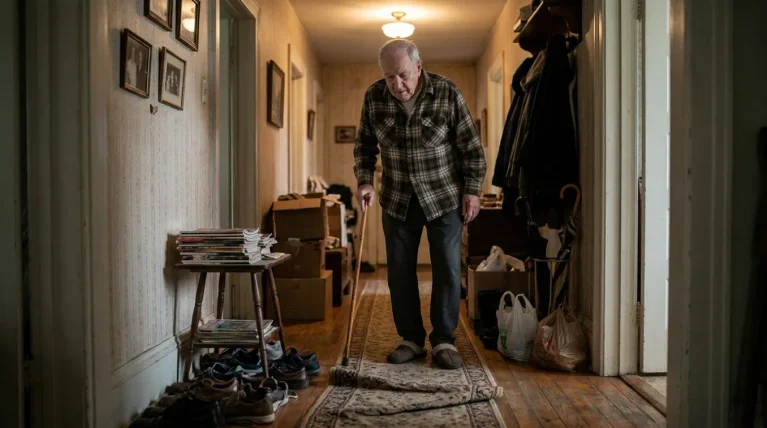

As global populations age, the support required by older adults living at home has increased dramatically.
According to research by Johns Hopkins University, the number of family caregivers supporting older adults at home rose by 32% between 2011 and 2022. The same study revealed that unpaid care hours for older adults with dementia increased nearly 50%, averaging 31 hours per week in 2022.
These figures reflect not only the growing need for care but also the emotional weight carried by families. Yet, beyond physical or medical assistance, seniors deeply need to be heard, respected, and understood.

This article explores why listening to seniors, acknowledging their voices, preferences, and experiences, is just as essential as providing daily care.
Creating a Care Environment That Prioritizes Voice and Choice
At the heart of quality senior care is an environment that values personal voice and genuine choice. Seniors thrive when caregivers not only assist but also listen, respect preferences, and adapt routines accordingly. Familiar surroundings and trusted relationships create comfort and encourage open communication.
For many families, involving loved ones in caregiving offers added reassurance. According to CareChoice, family members and trusted friends can also become paid caregivers. Moreover, in some states, such as Michigan, managed care programs may even fully cover non-medical home care services for eligible Medicaid participants.
These caregiver arrangements help seniors feel understood and respected. Care environments that prioritize autonomy empower older adults to make decisions about meals, activities, and daily routines. Through empathy, flexibility, and attentive listening, caregivers promote dignity, confidence, and a true sense of participation in daily life.
Psychological Impact of Being Unheard
When seniors feel consistently unheard, the psychological impact can be severe. Many older adults already grapple with feelings of irrelevance due to career changes, loss, and ageism. When caregivers fail to listen, these feelings intensify, potentially leading to depression, anxiety, and withdrawal.
Research by Taylor & Francis found that many older adults experience feelings of frustration (89%) and a sense of irrelevance (71%) as they age. Additionally, 77% reported feeling unable to contribute meaningfully, highlighting how ageism and being dismissed can deeply affect emotional well-being.
The simple act of listening validates a senior’s continued relevance and reinforces their identity. Conversely, when ignored, seniors may stop participating in decisions about their own lives, leading to a tragic loss of dignity and “learned helplessness.” Prioritizing their voice is vital for maintaining better cognitive function and encouraging civic involvement linked to improved mental health.
Decision-Making and Autonomy in Later Life
Decision-making is a vital area where seniors deserve to be heard and respected. Too often, family members make choices about living arrangements, medical treatments, or daily routines without involving the senior, even when well-intentioned. Excluding them from these discussions undermines their autonomy and dignity.
A study by SWPS University challenges stereotypes about aging and decision-making, showing that older adults should not be underestimated or overprotected. “Too often, older people are portrayed as defenseless and less capable of making correct decisions,” said co-author Dr. Maciej Kościelniak.
However, research revealed that seniors are just as capable of resisting manipulation and may even take more calculated risks than younger adults. Including seniors in care decisions ensures their values guide the process, preserving dignity and promoting cooperation for more meaningful outcomes in later life.
The Wisdom and Experience Seniors Offer
Seniors hold invaluable knowledge and perspectives that greatly enrich families and communities. When we focus solely on helping them without truly listening, we lose the chance to learn from their wealth of practical wisdom.
This intergenerational exchange honors their continued intellectual engagement. A fantastic example is a personal care facility in Canada that launched a hotline featuring residents’ advice. As Jennifer Taylor, a director at the Winnipeg facility, noted, callers are “treated to heartfelt, insightful guidance” from seniors who are often asked to share their lifetime of experience.
Seniors offer nuanced understandings of family dynamics, historical context, and essential life lessons. Engaging them in meaningful conversations about current events or family decisions honors their continued intellectual engagement. This intergenerational exchange enriches everyone, validating seniors as valued contributors rather than just recipients of care.
Practical Ways to Listen More Effectively
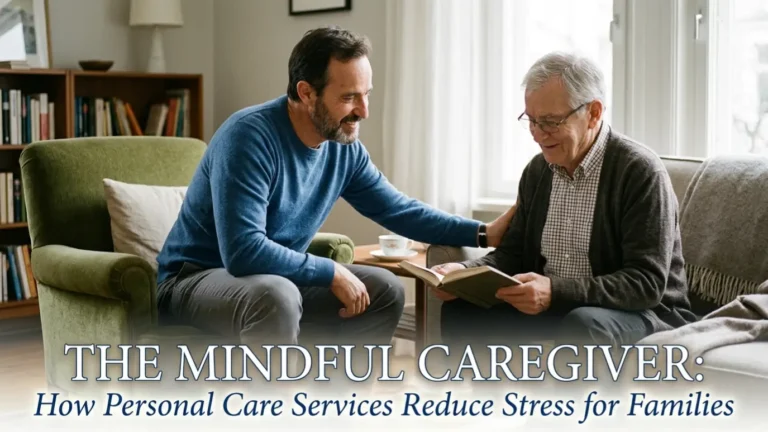
Truly hearing seniors’ demands requires intentional effort and specific strategies. Start by setting aside unhurried time for conversation, free from distractions like phones or care tasks. Sit at eye level and use body language that conveys genuine interest.
Additionally, according to Verywell Mind, effective listening techniques include:
- Being fully present
- Practicing good eye contact
- Noticing non-verbal cues
- Asking open-ended questions
- Withholding judgment and advice
Pay attention to underlying emotions, for instance, a complaint about food may signal loneliness. Validate their feelings first (e.g., “That sounds frustrating”) before offering solutions. Often, seniors simply need acknowledgment that their feelings and experiences are real, which is crucial for their emotional well-being.
Frequently Asked Questions
What is the value of being heard?
Being heard affirms a person’s worth and dignity. It fosters emotional connection, reduces loneliness, and strengthens trust. For seniors, it reinforces independence and self-esteem, showing that their thoughts still matter. Feeling genuinely listened to can improve mental well-being, deepen relationships, and create a sense of belonging and purpose.
What if my senior loved one makes decisions I believe are unsafe?
Share your concerns openly while honoring their independence and right to choose. Present information about risks without being condescending, and explore compromise solutions. Unless they are unable to make decisions due to diminished mental capacity, their choices should be respected. Consider involving neutral professionals like doctors for difficult conversations about safety.
How do I balance listening with the practical demands of caregiving tasks?
Integrate conversation into care routines rather than treating them as separate activities. Ask questions during meals, dressing, or medication times. Even brief exchanges throughout the day demonstrate that you value their input. Spending just a few minutes of focused, genuine attention often holds more value than an hour of distracted or inattentive presence.
The transition from simply helping to truly hearing marks a profound transformation in the way we approach senior care. While physical assistance remains important, emotional connection and genuine communication are equally vital for maintaining their dignity, autonomy, and quality of life.
When we prioritize listening, we acknowledge that seniors remain whole people with valid perspectives and continued relevance to their families and communities.