

Unusual tooth gaps, diastema, or misaligned teeth can cost you a beautiful smile. You might have been feeling low confidence, especially while looking at yourself in the mirror. But you don’t have to let your teeth ruin your personality. Braces are one of the most common procedures suggested by doctors for such concerns. It not only beautifies your smile but also ensures more aligned and healthier teeth.
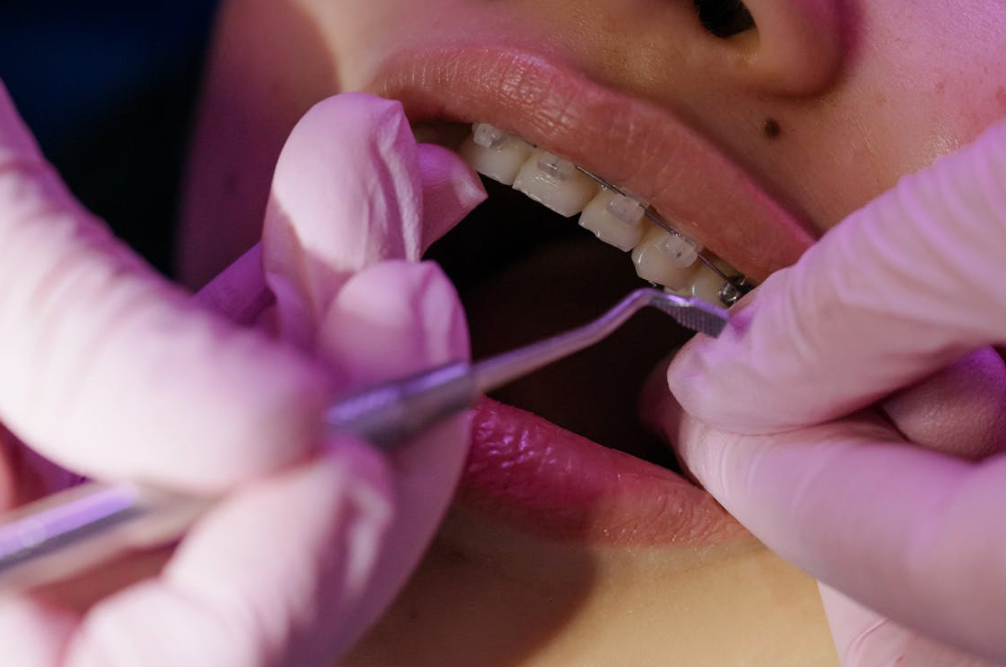
Although useful, the braces procedure can be quite an investment of time, care, and patience. A good and reliable Denver dentist can keep the procedure feeling less overwhelming, but it’s always better to know what you are getting yourself into before you proceed.
When You Might Need Braces
Braces don’t just straighten crooked teeth. They’re for anyone whose teeth or jaws aren’t quite aligned. Here are some most common cases when people require braces.
Crowding or Overlapping Teeth: Incorrect alignments of jaws and teeth can often lead to crowding. If there is not enough space, your teeth twist over and you find it hard to clean your teeth properly, which leads to increased risk of dental decay.
Gaps between teeth: You might not mind the extra gap between your teeth, but sometimes those empty spots impact how your teeth support one another.
Overbite or underbite: If your upper or lower teeth protrude too far, this can even make chewing more difficult, and negatively impact the comfort of your jaw as well as how you speak.
Crossbite or open bite: Not only can these issues lead to uneven wear on your teeth, but also cause pain when chewing.
Braces are generally recommended for everyone after permanent teeth have erupted, usually between the ages of 10 and 14. But now adults are embracing them as well. Thanks to high-tech, low-profile options such as clear aligners or ceramic braces, it’s not so much that it ever makes sense for being “too late” to start.
Benefits of Getting Braces
Braces do a lot more than just leave you grinning with confidence (though, hey, that’s certainly a nice side benefit). Here’s why they’re worth considering:
Better Oral Health
Yes, it makes cleaning your teeth easier when they are straight. Crooked teeth can produce small crevices where remnants of food and accompanying bacteria can remain lodged and cause cavities or even irritate gum tissue.
Improved Bite Function
Braces help you adjust how your upper and lower teeth meet and lessen strain on your jaw. That, in return, helps relieve tension headaches and helps prevent uneven wear on your teeth.
Long Term Confidence
You’ll smile more, and not only because your teeth look great. Many people often say they feel more at ease in social situations after treatment.
Prevention of Future Dental Problems
Misaligned teeth can lead to minor problems now, like chipping or gum recession, but they can become a major problem down the line. Getting braces helps you avoid any exacerbations.
Different Types of Braces & Their Features
With advanced dental technology, you don’t have to stick to those metal braces that make you look like a foreign being. You can have choices depending upon what fits your needs and preferences the best.
Metal Braces
You must have seen the classic metal braces. They are usually long-lasting, fastest for tricky cases, and efficient for all types of corrections. But the only downside is that they are more visible and less aesthetically pleasing.
Ceramic Braces
These camouflages with your teeth better, so they are less visible and function just as effectively as metal braces. However, they have a tendency to be more brittle and prone to breakage.
Lingual Braces
Lingual braces are worn behind your teeth rather than in front, and therefore are virtually invisible. But it makes it more difficult to keep clean and adjust.
Clear Aligners (like Invisalign)
These are a favorite among adults who prefer a discreet option. Clear aligners are removable, can easily be cleaned, and you can eat in them. But you have to wear them at least 20–22 hours a day for them to work.
Downside of Braces (Sorry, It’s not All Smiles)
Braces sound like a great plan until you know how difficult they can be to manage. Let’s disclose some pitfalls that you should be aware of before you get started:
Discomfort and Tightness
Braces mean your teeth will be moving, so a bit of achiness is normal. Right after getting braces, your mouth feels swollen, uncomfortable, and your teeth feel tight as if something is restricting them. However, it resolves within a few days for some, while within a few weeks for others.
Eating Restrictions
Foods that are sticky or hard can break wires and brackets. Popcorn, caramel, and chewy candies will need to wait until treatment is completed.
Extra Cleaning Effort
It’s more likely that you will get food stuck, so it’s important to keep your teeth (and brackets) clean with a careful brush after every meal and regular flossing (with a special threader or through the use of water flossers).
Long Treatment Duration
It’s not been a few weeks. The majority of braces treatments range anywhere between 12 to 24 months, depending upon how much movement your teeth require. You also need regular check-ins with your dentist to track progress and make necessary modifications.
All these sound unpleasant, but when you balance those against the enduring advantages, the temporary inconveniences seem a small price to pay.
Care Tips for Your Teeth with Braces
You only get better results when you take proper care of your teeth during the braces procedure. Follow the tips below, and you should be good to go
- Brush at least twice a day, and ideally after eating.
- Floss every day. A water flosser is usually more comfortable with braces on.
- Ditch your sugary drinks and sticky foods.
- Don’t skip your regular cleanings and checkups.
Remember that your oral health is very important to ensure your teeth move effectively.
Final Word
When that day finally comes to get your braces removed, it’s heavenly. You not only feel more confident in yourself but also feel a more natural and comfortable bite while chewing down on your food. Yes, the process is time-consuming, but by being persistent and dedicated, it is always worth it.


