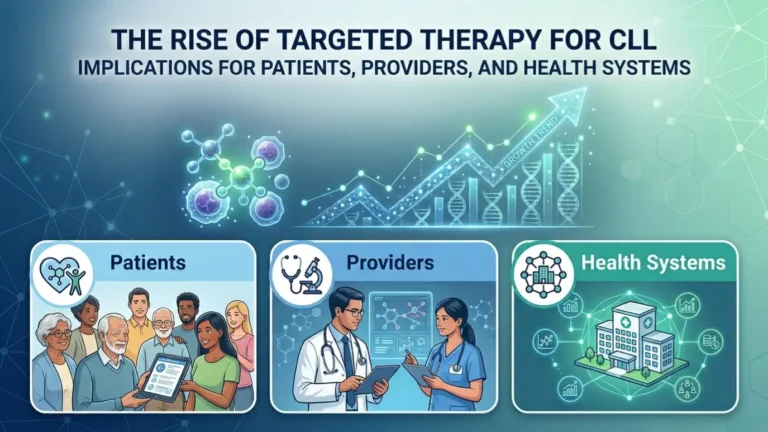
In 2026, the healthcare landscape looks remarkably different from what it was just a few years ago. The integration of digital health technologies—from artificial intelligence (AI) and telehealth to data-driven platforms and smart medical devices—has fundamentally transformed the way healthcare providers deliver care and how patients experience it. The goal is clear: improve outcomes, enhance efficiency, and make care more accessible and personalized.
Today, patients expect seamless digital experiences similar to what they encounter in other industries. As a result, healthcare organizations are rapidly adopting advanced systems such as Patient Management Software, Electronic Medical Record (EMR) Software, and automated Medical Billing Services and RCM Services to optimize workflows and enhance patient satisfaction.

This article explores how digital health is reshaping patient care in 2026 and the key technologies driving this transformation.
1. The Rise of Connected Healthcare
The shift toward connected healthcare is one of the most significant transformations in 2026. Connected health means that patients, providers, and even medical devices are now part of a digital ecosystem that continuously exchanges data in real time.
Wearable technology, remote patient monitoring devices, and mobile health apps allow patients to stay in touch with their providers from home. Physicians, in turn, have access to live health metrics such as blood pressure, heart rate, oxygen levels, and glucose readings—enabling proactive intervention before conditions worsen.
For instance, patients with chronic diseases like diabetes or hypertension no longer need frequent in-person visits. Their vitals are automatically sent to their care team through Patient Management Software, where alerts and follow-ups are triggered instantly when irregularities are detected. This real-time communication helps reduce hospital readmissions and ensures better continuity of care.
2. EMR Software as the Digital Backbone of Healthcare
Among the most impactful digital tools in healthcare today is EMR Software. It serves as the foundation of digital health transformation by providing a centralized, digital version of a patient’s health record accessible across departments and facilities.
In 2026, modern EMR systems are powered by AI and cloud technology, offering more than just storage—they actively assist in clinical decision-making. EMRs analyze data trends, identify potential risks, and even recommend treatment plans based on historical and population-level data.
Moreover, the latest EMR Software is designed with interoperability in mind, ensuring that hospitals, labs, and specialists can securely share patient data. This connected data ecosystem eliminates redundant tests, reduces errors, and accelerates care delivery.
For patients, this means a seamless experience—no more repeating their medical history at every appointment or waiting days for test results. For providers, it translates into better efficiency, fewer administrative burdens, and improved collaboration across care teams.
3. The Digital Front Door: Patient Management Software
In the past, managing patient relationships involved phone calls, paper files, and long waiting times. But in 2026, Patient Management Software has turned the healthcare experience into a streamlined, digital-first journey.
Modern patient management platforms function as the “digital front door” of healthcare organizations. They handle appointment scheduling, reminders, telehealth integration, insurance verification, patient intake, and post-visit follow-ups—all in one place.
These systems are built to enhance convenience for both patients and providers. Patients can now schedule appointments online, receive automated reminders, and even communicate securely with their physicians through chat or video consultations. For clinics, this automation minimizes no-shows, optimizes scheduling efficiency, and ensures that staff spend less time on repetitive tasks.
Furthermore, many Patient Management Software solutions are integrated with EMR Software and RCM Services, creating a unified ecosystem that manages the entire patient journey—from appointment booking to payment collection.
4. Revolutionizing the Financial Side of Care with RCM Services
While clinical care is central to healthcare delivery, financial health is equally crucial to ensure sustainability. This is where Revenue Cycle Management (RCM) Services play a pivotal role.
In 2026, healthcare providers rely heavily on advanced RCM platforms that automate billing workflows, minimize claim denials, and accelerate reimbursements. These services encompass every stage of the financial process—from patient registration and insurance eligibility verification to coding, claims submission, and payment posting.
The integration of AI in RCM Services has significantly reduced human error. Predictive analytics tools can now flag potential claim issues before submission, helping providers maintain compliance with changing payer requirements.
For small and mid-sized medical practices, outsourcing RCM Services has become a practical choice. It allows healthcare providers to focus on patient care while experts handle the complexities of billing, compliance, and follow-ups. This shift has improved cash flow and reduced administrative burdens for thousands of clinics worldwide.
5. Streamlined Medical Billing Services
In the digital health era, Medical Billing Services have evolved from simple transactional functions into strategic assets. By integrating with EMR and practice management systems, billing services now provide real-time visibility into a practice’s financial performance.
AI-driven billing software automatically identifies coding errors, applies payer-specific rules, and ensures that claims are submitted correctly the first time. As a result, denial rates have dropped dramatically, and providers receive payments faster than ever before.
For patients, the billing experience has also improved. Transparent digital invoices, online payment options, and automated insurance checks ensure that patients understand their bills and can pay conveniently. This transparency builds trust and improves patient satisfaction—a key factor in modern healthcare success.
6. Telehealth and Virtual Care: The New Normal
While telehealth gained momentum during the pandemic, in 2026 it’s become a permanent fixture in healthcare delivery. Patients can now consult specialists from any location, eliminating barriers such as travel, long wait times, and geographical limitations.
Digital health platforms combine telehealth with Patient Management Software and EMR Software, allowing providers to access patient data in real time during virtual visits. This ensures that care decisions are informed and accurate, just like in-person consultations.
Moreover, remote care technologies enable physicians to monitor patients’ progress post-treatment through wearable devices and follow-up surveys. This continuity of care improves outcomes and strengthens the patient-provider relationship.
7. AI and Predictive Analytics in Personalized Medicine
AI is the driving force behind many advancements in digital health. In 2026, predictive analytics tools embedded in EMR Software can analyze thousands of data points—from patient histories to genetic information—to predict potential health issues before they arise.
For example, algorithms can identify early signs of chronic conditions such as heart disease or diabetes, allowing physicians to intervene early with preventive care. AI also assists in personalized medicine, helping tailor treatments to a patient’s unique genetic and lifestyle profile.
These insights not only improve patient outcomes but also optimize resource allocation for hospitals, reducing unnecessary tests and hospitalizations.
8. Data Security and Compliance
As healthcare becomes more digital, the importance of cybersecurity cannot be overstated. With vast amounts of sensitive data being stored and transmitted through EMR Software, Patient Management Software, and RCM Services, maintaining compliance with regulations like HIPAA remains a top priority in 2026.
Leading digital health companies now employ advanced encryption, multi-factor authentication, and blockchain-based data sharing to ensure patient privacy. Additionally, AI-driven threat detection systems monitor for unusual activity and potential breaches in real time.
Patients, in turn, have greater confidence in sharing their data, knowing it is protected by robust digital safeguards.
9. The Future of Digital Health Beyond 2026
The pace of innovation shows no signs of slowing. Emerging technologies like generative AI, digital twins, and advanced robotics are set to further redefine how healthcare is delivered.
In the near future, we can expect Patient Management Software to evolve into intelligent care coordination platforms that predict patient needs, automate follow-ups, and even recommend preventive health actions. Similarly, RCM Services will continue leveraging machine learning to predict claim outcomes and improve financial efficiency.
Most importantly, digital health is shifting from reactive to proactive care. Instead of waiting for illness, providers will use real-time data, predictive insights, and AI tools to prevent disease and maintain overall wellness.
Conclusion
The transformation of patient care through digital health in 2026 is nothing short of revolutionary. From EMR Software that centralizes patient data to Patient Management Software that enhances engagement, and from automated Medical Billing Services to AI-powered RCM Services, every aspect of healthcare has become more connected, efficient, and patient-centric.
Digital health isn’t just about technology—it’s about creating a smarter, more compassionate healthcare system where patients receive the right care at the right time. As innovations continue to unfold, one thing is certain: the future of patient care will be defined by data, intelligence, and a digital-first approach that empowers both providers and patients alike.
Source: https://drginasam.net/
Author Bio: Nathan Bradshaw
Nathan Bradshaw is a seasoned Healthcare IT and Digital Marketing professional with over 10 years of experience in EHR, RCM, Practice Management, and Digital Health strategy. He helps healthcare organizations optimize online visibility, streamline operations, and accelerate growth through data-driven marketing and innovative health tech solutions.