

Life science research isn’t what it used to be. The pace, the tools, the way discoveries happen — it’s all changing fast. What used to take months in a lab can now happen in a week.
It’s not just about better tech, though. It’s about the way science itself is being done. New habits, new priorities, and a lot more teamwork are shaping what comes next.
Seeing Cells in a Whole New Light
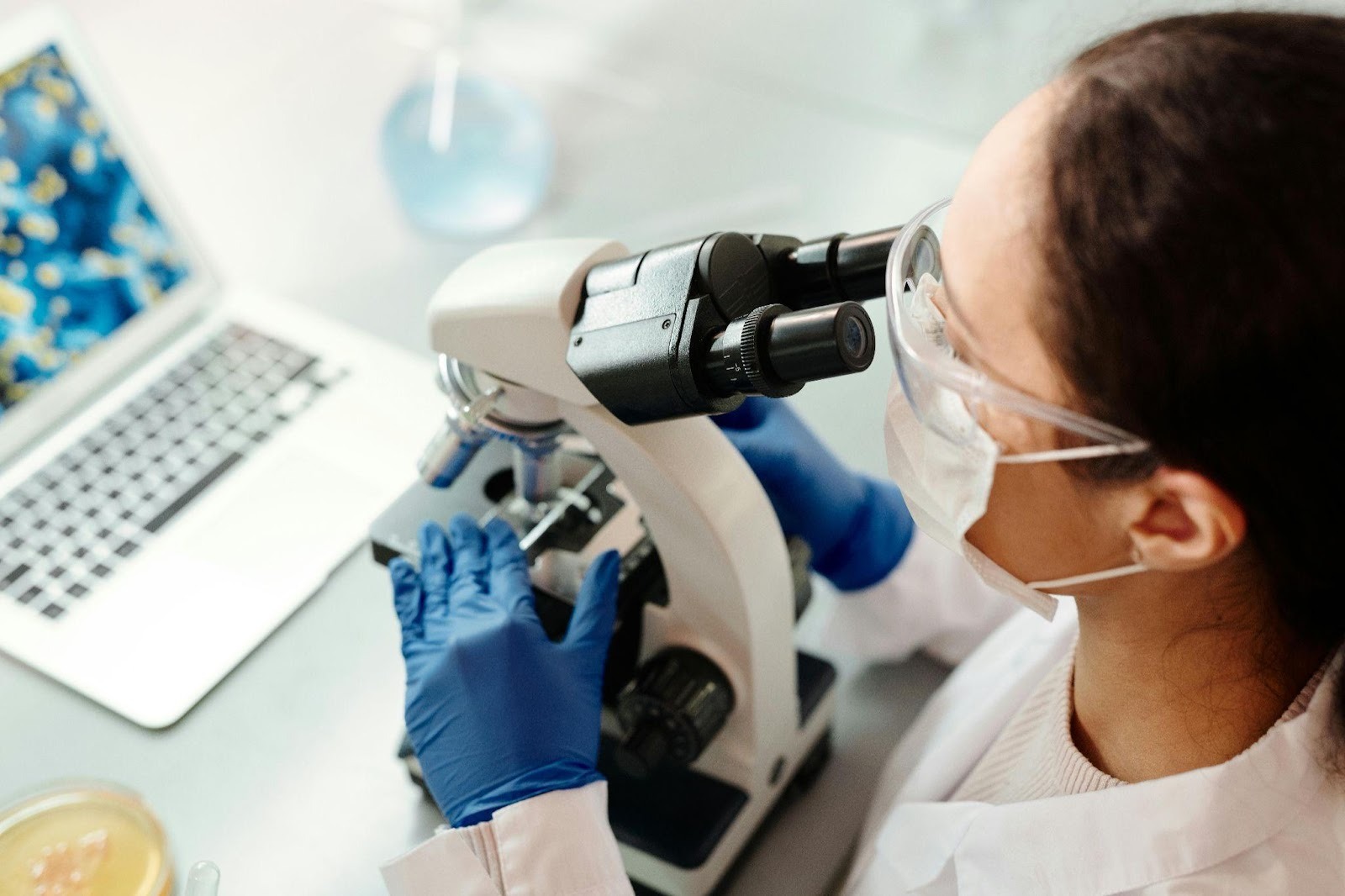
Let’s start with one of the coolest upgrades — how scientists actually see their work. Modern imaging has come a long way from blurry slides and clunky setups. Many labs now use fluorescence microscopes to track cell activity in incredible detail. These microscopes light up cell structures with special dyes that glow under specific wavelengths. It’s like turning the lights on in a world that used to be dark.
What’s wild is how fast everything moves now. Researchers can watch real-time changes in cells, almost like a live stream of biology. Add in automated imaging systems, and labs can analyze hundreds of samples overnight while everyone’s home sleeping. It saves time, but it also gives clearer, more consistent results.
The Data Flood and How AI Helps
Today, every lab seems to be drowning in data. From genomic sequencing to lab sensors, the numbers just keep piling up. Sorting through it all by hand isn’t realistic anymore. That’s where AI steps in. Machine learning tools can spot patterns and connections that humans might miss.
Instead of testing every idea in the lab, scientists can run digital simulations first. They can see what’s most likely to work before pouring a single drop of reagent. It’s faster, cheaper, and surprisingly accurate. It’s also leveling the playing field. Smaller labs can now compete with big institutions because the tools are getting more accessible.
Robots in the Lab (and Why That’s a Good Thing)
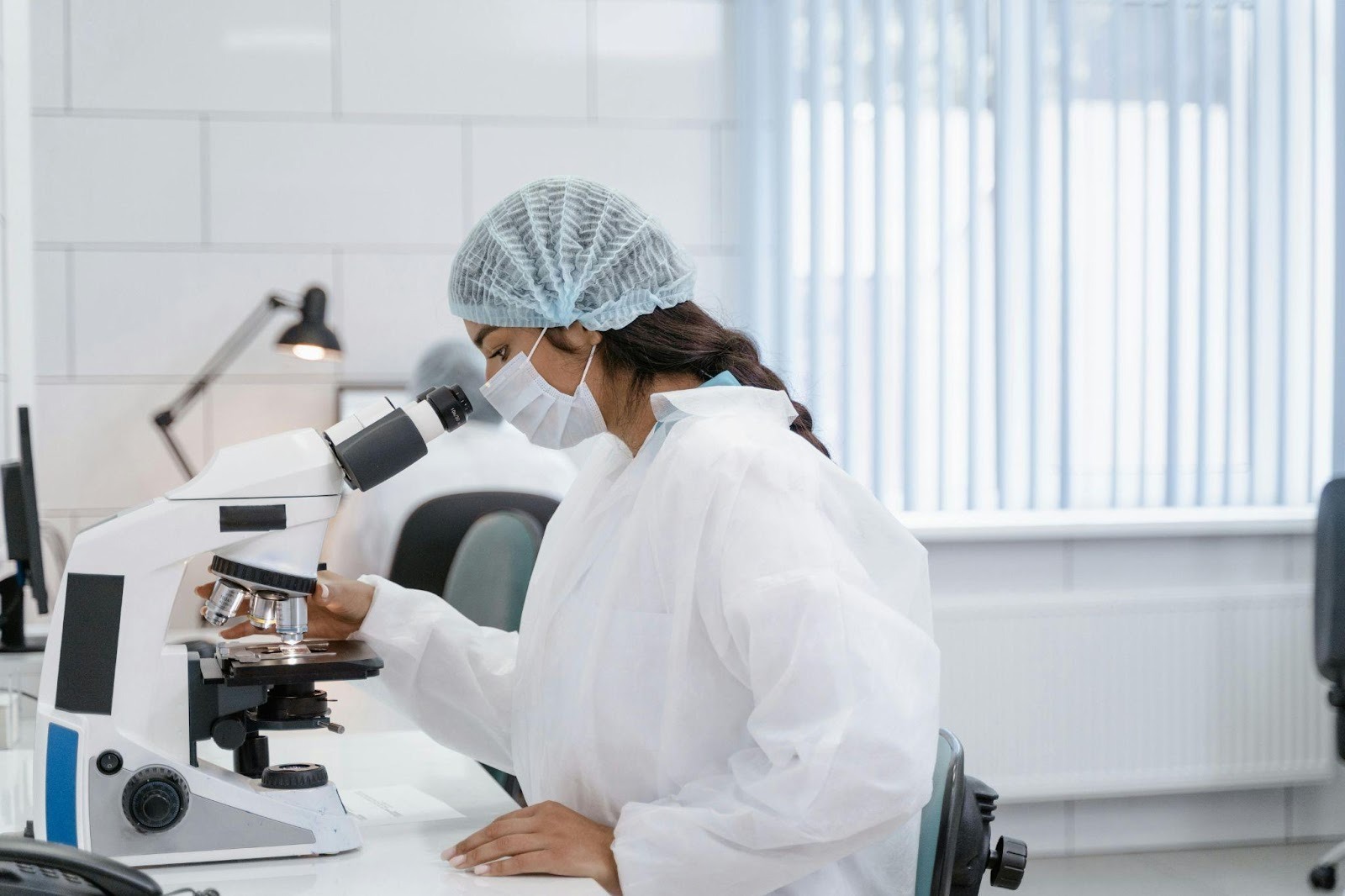
If you imagine robots in a lab, you might picture a sci-fi scene. But in reality, it’s a lot simpler — and smarter. Automation now handles the repetitive stuff: pipetting, labeling, even sample prep. That frees researchers to focus on what matters — thinking, testing, creating.
The real win is in consistency. Robots don’t get tired or distracted. They don’t mix up samples. That means results are more reliable, and experiments can be repeated with better accuracy. For researchers, that’s gold. It turns the lab into a place of constant flow rather than constant cleanup.
Science Without Walls
Collaboration used to mean sending emails or waiting for conference season. Now, it’s instant. Teams across the world can share results in real time. Cloud platforms let everyone access the same files, images, and data sets at once. A scientist in Tokyo can work on the same problem as a team in Boston — and they don’t even need to meet in person.
This kind of openness changes everything. It speeds up breakthroughs, avoids duplicated work, and brings in diverse viewpoints. The best part? It makes science feel more human. People are actually talking, not competing. That energy is fueling some of the biggest discoveries today.
The Push for Greener Labs
Sustainability is no longer a side project. It’s becoming a key part of lab culture. Researchers are finding ways to reduce waste and energy use without slowing down their work. Some labs recycle plastics, others share materials with nearby facilities, and many are cutting down on single-use items altogether.
Even digital practices are shifting. Cloud systems and energy-efficient servers are replacing massive on-site data centers. The goal is simple: keep advancing science without leaving a huge environmental footprint. It’s not only the right thing to do — it’s becoming the smart thing to do.
Mixing Data With Multi-Omics
Here’s where things get even more interesting. Scientists aren’t looking at just one layer of biology anymore. They’re combining genomics, proteomics, transcriptomics, and more — what’s known as multi-omics. By merging these data types, researchers can see how genes, proteins, and cells all work together.
Imagine solving a puzzle where every piece affects the others. That’s multi-omics. It’s giving researchers deeper insight into diseases and treatments. It’s also making discoveries more precise. With better software and cloud tools, combining these data sets has become much easier than it used to be.
Personalized Science Is Here
Personalized medicine gets a lot of attention, but the same idea applies to research. Studies are becoming more tailored. Instead of broad testing, scientists focus on specific groups, conditions, or even single cells. This leads to faster, more relevant outcomes.
Smarter data tools are helping design experiments that reflect how things work in the real world. That means fewer wasted resources and more discoveries that translate directly into healthcare and innovation. It’s science that feels more intentional — and that’s exciting to watch.
Wrapping It All Up
Life science research is in the middle of a huge transformation. From smarter microscopes to AI-driven analysis, every part of the process is evolving. Teams are connecting across borders, labs are going green, and automation is making science smoother.
All these trends point in the same direction — faster discoveries and better understanding of life itself. It’s not about replacing researchers but about giving them better tools and more time to think. The future of science feels bright, connected, and full of possibilities. And honestly, that’s a pretty great place to be.
Source: Dr Gina Sam New York



One Comment