

Your heart races during a presentation. Your shoulders creep toward your ears while stuck in traffic. Your jaw clenches as you scroll through endless emails. These seemingly invisible moments of stress don’t just live in your mind—they’re writing their story across every inch of your body, from the tension knotting your back muscles to the ache radiating through your feet at day’s end. The connection between what troubles your thoughts and what troubles your tissues runs deeper than most of us realize, creating a cascade of physical complaints that mirror our mental strain. Understanding this profound link isn’t just fascinating—it’s the first step toward reclaiming both your peace of mind and your physical comfort.

When stress enters your life, it doesn’t politely knock and wait at the threshold of your consciousness. Instead, it barges through every system in your body, triggering a complex physiological response that was designed for short-term survival but wreaks havoc when activated constantly. At the center of this response sits cortisol, often called the “stress hormone,” which floods your bloodstream whenever your brain perceives a threat—whether that’s a looming deadline or an actual danger.
How Stress Manifests in the Body
Common Physical Signs of Stress
Your body speaks in a language of sensation, and stress has a distinct dialect. Learning to recognize its vocabulary helps you intervene before minor discomforts escalate into chronic conditions. The physical manifestations of stress are remarkably consistent across most people, though their intensity and specific locations vary.
Muscle tension, stiffness, or spasms represent perhaps the most universal stress symptom. Your muscles contract in response to stress hormones, preparing for action that rarely comes. When this tension persists day after day, those muscles develop trigger points—tight bands of tissue that can refer pain to other areas and limit your range of motion. You might notice your shoulders feel like concrete, your forearms ache from unconscious clenching, or your leg muscles feel perpetually fatigued.
Back pain and neck discomfort follow closely behind. The muscles supporting your spine are particularly vulnerable to stress-induced tension because they’re constantly working to maintain your posture. When stress keeps them contracted, they compress spinal discs, restrict blood flow, and create the dull, persistent ache that millions of people accept as normal. Neck pain often accompanies this, especially in our modern era of screen-focused work, where stress compounds the physical strain of prolonged forward head posture.
Foot and ankle issues might seem disconnected from stress until you consider how tension travels through your entire kinetic chain. Stress-induced changes in your walking pattern—perhaps from favoring one leg due to back tension or from the overall muscle tightness affecting your stride—place unusual demands on your feet and ankles. This can manifest as swelling around the ankles by evening, a general soreness through the arches, or specific pain points that make standing uncomfortable.
Digestive disturbances round out the common stress symptoms, as your gut contains more nerve cells than your spinal cord and responds dramatically to stress hormones. Nausea, changes in appetite, bloating, or alterations in bowel habits all signal that your digestive system is struggling under stress’s influence.
Stress-Related Postural Issues
The relationship between stress and posture creates a particularly insidious problem because it operates largely below conscious awareness. When you’re stressed, your body naturally adopts what researchers call a “protective posture”—shoulders rolled forward, chest collapsed, head jutting ahead of your spine. This posture literally makes you smaller, as if trying to shield vital organs from threat.
Initially adopted in response to acute stress, this protective posture becomes habitual with chronic stress. Your muscles adapt to this position, some lengthening and weakening while others shorten and tighten. Eventually, maintaining proper posture requires conscious effort because your default position has shifted.
Poor posture from prolonged tension creates a direct connection to back pain and the kinds of concerns that bring people to seek help from a back pain chiropractic specialist. When your spine loses its natural curves due to stress-induced postural changes, the loading patterns across your vertebrae and discs become uneven. Some structures bear too much weight while others barely engage, leading to accelerated degeneration and chronic pain.
Foot and Ankle Health: The Foundation of Physical Wellbeing
Common Foot and Ankle Issues Related to Stress
Your feet bear the literal weight of your stress, and they do so with remarkable resilience—until they don’t. Understanding how stress specifically affects these foundational structures helps you appreciate why foot care deserves a prominent place in your stress management routine.
Plantar fasciitis stands out as one of the most common stress-related foot conditions. This painful inflammation of the plantar fascia—the thick connective tissue supporting your arch—develops when repetitive stress and tension prevent normal healing. Stress contributes in multiple ways: it keeps your calf muscles tight, which increases tension on the plantar fascia; it promotes inflammation throughout your body; and it can alter your gait in ways that overload this tissue. The characteristic sharp pain with your first morning steps becomes a daily reminder of how stress has infiltrated even your foundation.
If you’re experiencing persistent heel or arch pain, consulting a plantar fasciitis specialist in singapore can provide targeted treatment approaches that address both the mechanical and stress-related components of this condition.
Ankle swelling or instability presents another common stress manifestation. Chronic inflammation from elevated cortisol can cause fluid retention, leading to that puffy feeling around your ankles by day’s end. Meanwhile, stress-induced muscle tension can affect the small stabilizing muscles around your ankle joint, making the joint feel less secure and increasing your risk of rolling or twisting it during normal activities.
Prevention and Care Tips
Protecting your feet from stress’s impact requires a multi-faceted approach that combines strengthening, flexibility work, and supportive habits.
Stretching exercises for the feet and calves should become as routine as brushing your teeth. Simple calf stretches against a wall, performed with both straight and bent knees to target both major calf muscles, reduce tension that travels down into your feet. Toe curls and spreads, rolling a tennis ball under your arch, and gentle ankle circles all promote flexibility and blood flow. These exercises take mere minutes but create profound effects on foot comfort and resilience.
Foot massage or reflexology techniques offer both physical and psychological stress relief. Using your thumbs to apply firm pressure along the arch of your foot, kneading the ball of your foot with your knuckles, or gently pulling each toe can release accumulated tension. The beauty of foot massage extends beyond mechanical benefits—the focused, mindful attention creates a meditative quality that helps calm your nervous system. Whether you perform self-massage or seek professional reflexology treatments, this practice addresses stress on multiple levels simultaneously.
Choosing supportive footwear for daily stress management might seem obvious, but it’s surprising how many people tolerate uncomfortable shoes that compound their stress load. Look for shoes with adequate arch support, cushioning that absorbs impact, and a heel counter that stabilizes your ankle. During high-stress periods, prioritize comfort over fashion—your feet are dealing with enough already without the added burden of inadequate support.
Skincare and Stress – The Invisible Connection
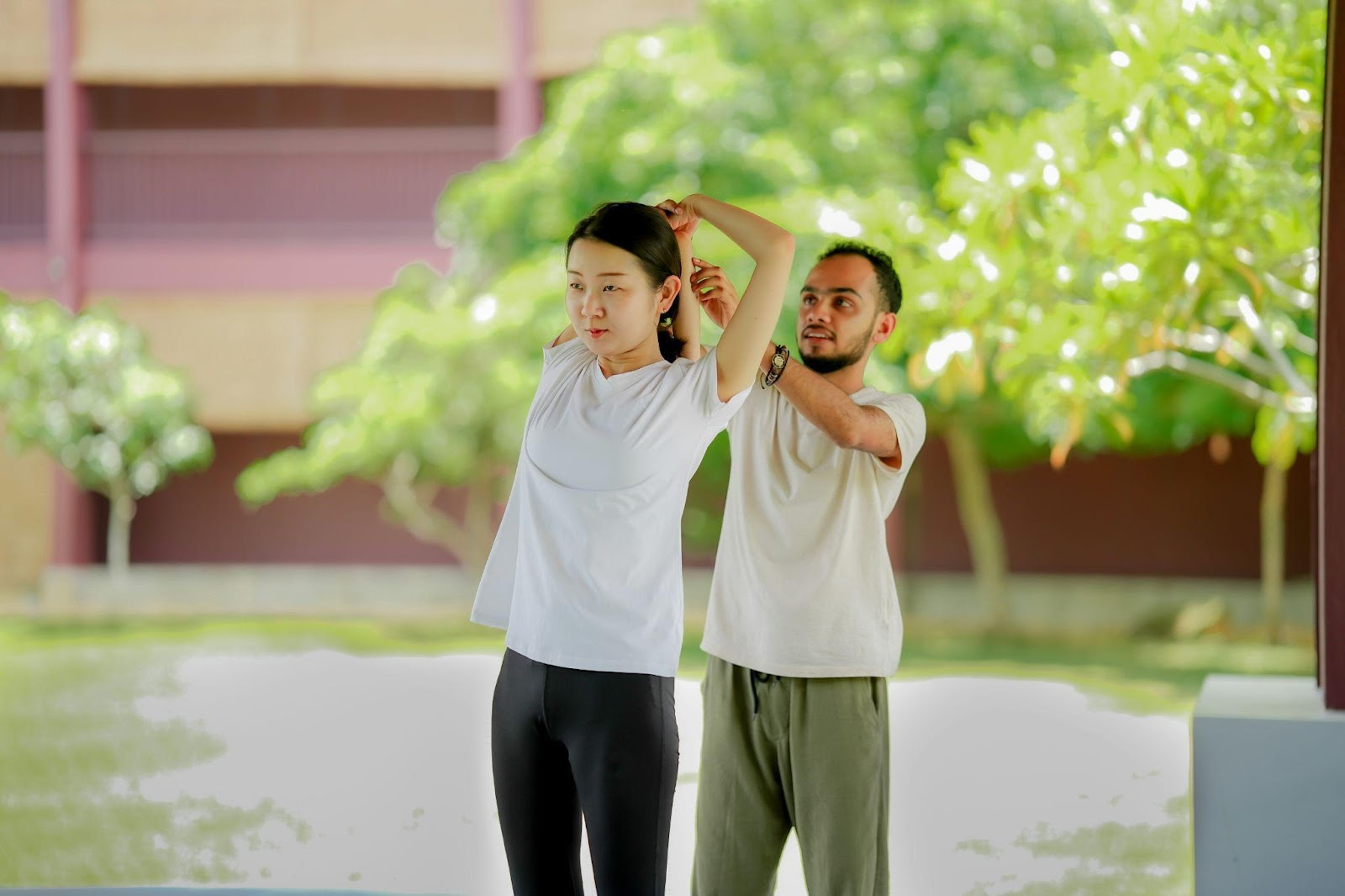
How Stress Affects Skin Health
Your skin serves as a visible canvas displaying your internal stress state. The mechanisms connecting psychological stress to skin problems are both fascinating and frustrating for those dealing with stress-related skin issues.
Cortisol and oil production create a direct pathway to breakouts. Elevated cortisol triggers your sebaceous glands to produce more oil, which can clog pores and create the perfect environment for acne-causing bacteria. This explains why stressful periods often coincide with skin breakouts, even in people whose skin is typically clear. The inflammation accompanying chronic stress further aggravates these breakouts and slows healing.
Premature aging and dullness reflect stress’s impact on your skin’s cellular function. Chronic stress impairs collagen production—the protein that keeps skin firm and elastic. It also reduces blood flow to the skin, depriving it of oxygen and nutrients while allowing waste products to accumulate. The result is skin that looks tired, dull, and older than your years, developing fine lines and losing its natural radiance.
Sensitive skin flare-ups become more common during stress because stress compromises your skin’s barrier function. This protective outer layer normally keeps irritants out and moisture in, but stress weakens it, making your skin more reactive to products, environmental factors, and allergens. People with conditions like eczema, rosacea, or psoriasis often notice their symptoms worsen during stressful periods.
Stress-Relieving Skincare Practices
Skincare can transcend its cosmetic purpose to become a genuine stress management tool when approached mindfully.
Gentle facial massage and lymphatic drainage serves dual purposes—it physically improves circulation and lymph flow while providing the psychological benefit of dedicated self-care time. Using your fingertips to apply light pressure along your jawline, cheekbones, and forehead in upward and outward motions encourages fluid drainage and releases facial tension. This practice, performed for just five minutes before bed, can reduce facial puffiness while signaling to your nervous system that it’s time to relax.
Aromatherapy-based self-care routines engage your sense of smell—the sense most directly connected to your brain’s emotional centers. Incorporating essential oils like lavender, chamomile, or rose into your skincare routine creates a multisensory experience that promotes relaxation. Whether through facial oils, hydrosols, or simply inhaling the scent from your palms before applying products, aromatherapy enhances skincare’s stress-relieving potential.
Nighttime rituals to enhance relaxation transform skincare from a rushed chore into a meditation on self-care. Creating a consistent evening skincare sequence signals to your body that sleep approaches, helping regulate your circadian rhythm. The ritualistic quality—the specific order of cleansing, treatment, and moisturizing—provides a sense of control and routine that counters stress’s chaotic nature.
Back Pain and Chiropractic Care

How Stress Aggravates Back Pain
The relationship between stress and back pain creates a self-perpetuating cycle that can feel impossible to escape. Understanding the mechanisms behind this connection empowers you to break the cycle deliberately.
Muscle tightening from stress doesn’t affect all back muscles equally. The muscles most prone to stress-induced tension—your upper trapezius, levator scapulae, and the erector spinae muscles running along your spine—create specific pain patterns when they remain contracted. These tight muscles develop trigger points that refer pain to other areas, compress nerves, and restrict the normal gliding motion between tissue layers that allows pain-free movement.
The impact on spinal alignment and posture intensifies as stress becomes chronic. Your vertebrae and the discs between them require specific positioning to distribute forces evenly. When muscle tension pulls your spine out of optimal alignment, certain areas bear excessive load while others barely engage. This uneven loading accelerates disc degeneration, promotes arthritis development, and creates the conditions for nerve compression.
The role of chiropractic adjustments in relief centers on restoring proper spinal mechanics and reducing nerve irritation. When performed by a qualified professional at a back pain chiropractic clinic, these adjustments can reduce pain, improve range of motion, and interrupt the stress-tension-pain cycle. However, adjustments work best as part of a comprehensive approach that includes addressing the stress itself and correcting the movement patterns that contributed to misalignment.
Self-Care Practices to Reduce Back Pain
Between professional treatments, your daily habits profoundly influence your back’s health and comfort level.
Daily stretching routines for spinal health maintain the flexibility and resilience your spine needs to handle stress without breaking down. Cat-cow stretches that gently flex and extend your spine, child’s pose that releases lower back tension, and thoracic spine rotations that restore mobility to your mid-back all contribute to spinal health. Consistency matters more than duration—ten minutes of stretching daily outperforms an hour of stretching once weekly.
Ergonomic adjustments at work and home reduce the physical stress your spine endures during everyday activities. Position your computer screen at eye level to prevent forward head posture. Ensure your chair supports the natural curves of your spine. Take regular breaks to stand and move, preventing the tissue stiffness that develops from prolonged static positions. These adjustments might seem minor individually, but collectively they dramatically reduce the cumulative stress load on your back.
Nutrition and Mental Wellbeing for Bodycare
Stress-Reducing Nutrients
What you eat profoundly influences both your stress response and your body’s ability to recover from stress’s physical toll. Certain nutrients deserve special attention for their stress-modulating properties.
Omega-3 fatty acids for inflammation and mood stand out as particularly important. Found in fatty fish, flaxseeds, and walnuts, these essential fats reduce the systemic inflammation that chronic stress promotes. They also support brain function and have demonstrated mood-stabilizing effects in research studies. Aim for two servings of fatty fish weekly or consider a high-quality supplement if dietary sources are insufficient.
Magnesium and calcium for muscle relaxation directly counter stress’s tendency to keep your muscles contracted. Magnesium participates in hundreds of biochemical reactions in your body, including those that regulate your stress response and relax muscle fibers. Calcium works synergistically with magnesium to support proper muscle contraction and relaxation. Dark leafy greens, nuts, seeds, and dairy products provide these minerals, though many people benefit from supplementation during high-stress periods.
Hydration tips for optimal body functioning might seem basic, but stress’s diuretic effect means you need more water than usual during challenging times. Dehydration exacerbates muscle tension, reduces your cognitive function, and impairs your body’s ability to eliminate metabolic waste products. Keep water readily available throughout your day, and monitor your urine color—pale yellow indicates adequate hydration, while darker colors suggest you need more fluids.
Eating Habits to Support Foot, Back, and Overall Health
Beyond specific nutrients, your overall eating patterns influence how stress affects your body.
Balanced diet to prevent inflammation in joints and muscles emphasizes whole foods over processed options. Vegetables, fruits, whole grains, lean proteins, and healthy fats provide the nutrients your tissues need for repair and maintenance while minimizing inflammatory compounds. This becomes particularly important if you’re dealing with conditions like plantar fasciitis or back pain, where inflammation plays a central role in your discomfort.
Limiting processed foods that worsen stress responses reduces your intake of substances that promote inflammation and blood sugar instability. Refined carbohydrates, trans fats, and excessive sodium—all common in processed foods—can amplify your stress response and interfere with your body’s recovery mechanisms. This doesn’t require perfection, but shifting the balance toward whole foods creates meaningful benefits.
When to Seek Professional Help
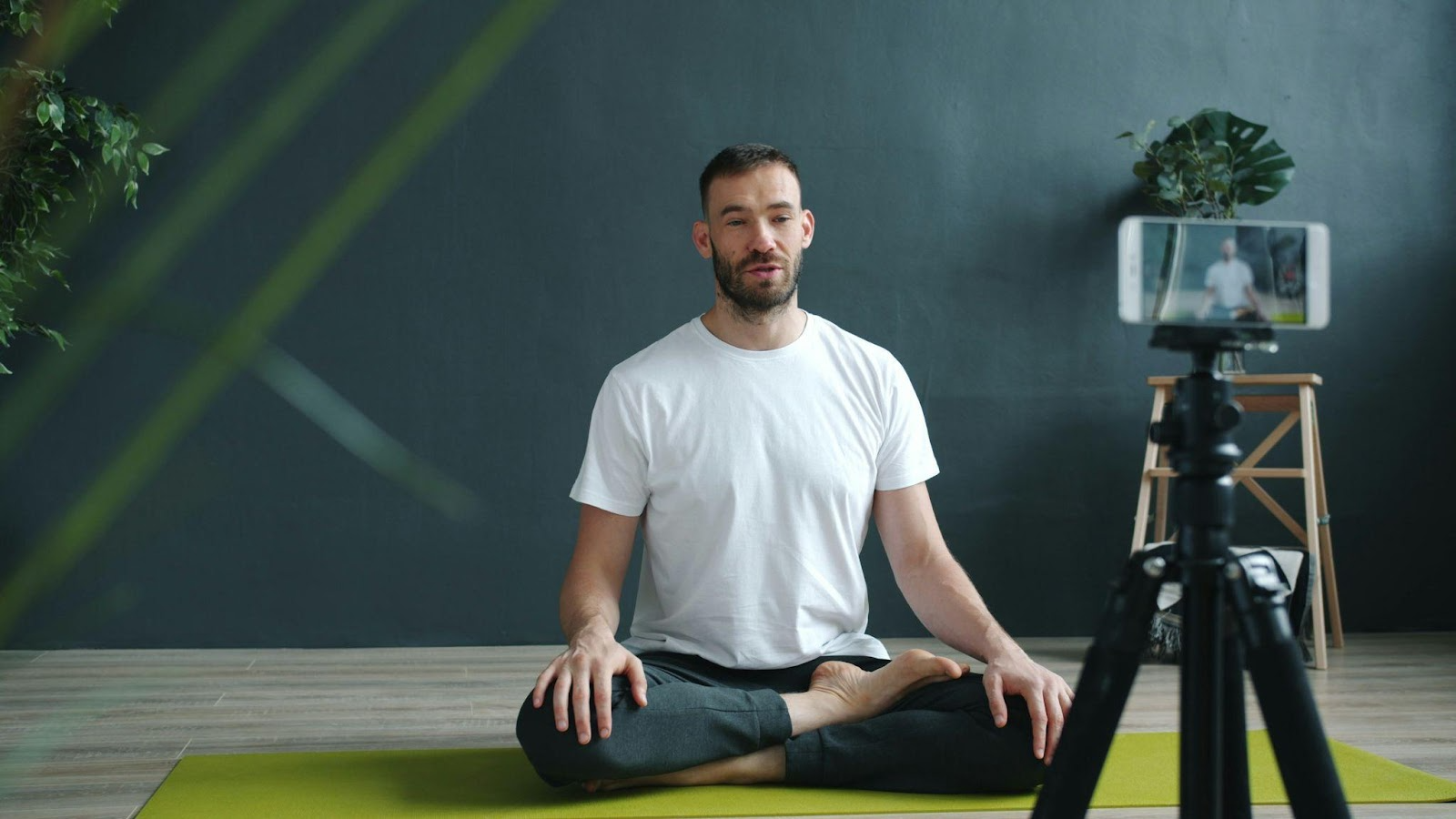
While self-care practices form the foundation of stress management and body care, certain situations require professional intervention. Recognizing these situations early prevents minor issues from becoming major problems.
Recognizing signs that require medical attention includes persistent pain that doesn’t improve with rest and self-care, pain that intensifies over time, numbness or tingling in your extremities, or pain accompanied by fever or unexplained weight loss. These symptoms might indicate underlying conditions that need professional diagnosis and treatment.
If you’re experiencing foot and ankle issues or plantar fasciitis worsening despite home care, seeking evaluation from specialists like those at OrthofootMD | Foot and Ankle Specialist in Singapore ensures you receive accurate diagnosis and appropriate treatment. Sometimes what seems like simple stress-related discomfort actually involves structural problems requiring more targeted intervention.
Consulting a chiropractor for persistent back pain provides access to specific techniques for restoring spinal alignment and function. When self-care efforts haven’t resolved your back pain after several weeks, or when pain significantly limits your daily activities, professional assessment can identify specific problems and provide targeted treatments that accelerate healing.
Importance of combining self-care with professional guidance creates the most effective approach. Professional treatments work best when supported by consistent self-care practices, while self-care efforts become more targeted and effective when informed by professional assessment. This integrated approach addresses both the immediate symptoms and the underlying patterns contributing to your problems.
Conclusion – Integrating Mental and Physical Care
The journey through stress’s impact on your body reveals a fundamental truth: you are not a collection of separate parts but an integrated whole where every system influences every other. Stress doesn’t politely confine itself to your mind—it radiates outward, manifesting in muscle tension, postural changes, foot discomfort, back pain, and even skin problems. This interconnection means that addressing stress requires attention to your entire body, not just your mental state.
The practices outlined here—from foot care and spinal alignment to mindful skincare and strategic nutrition—work synergistically to reduce stress’s toll on your body. Simple daily habits like stretching your feet, improving your posture, staying hydrated, and creating consistent routines may seem modest individually, but collectively they create profound shifts in how your body handles stress. Proactive care isn’t about perfection; it’s about consistent attention to your body’s needs before minor discomforts escalate into chronic conditions.
Source: https://drginasam.net/




One Comment