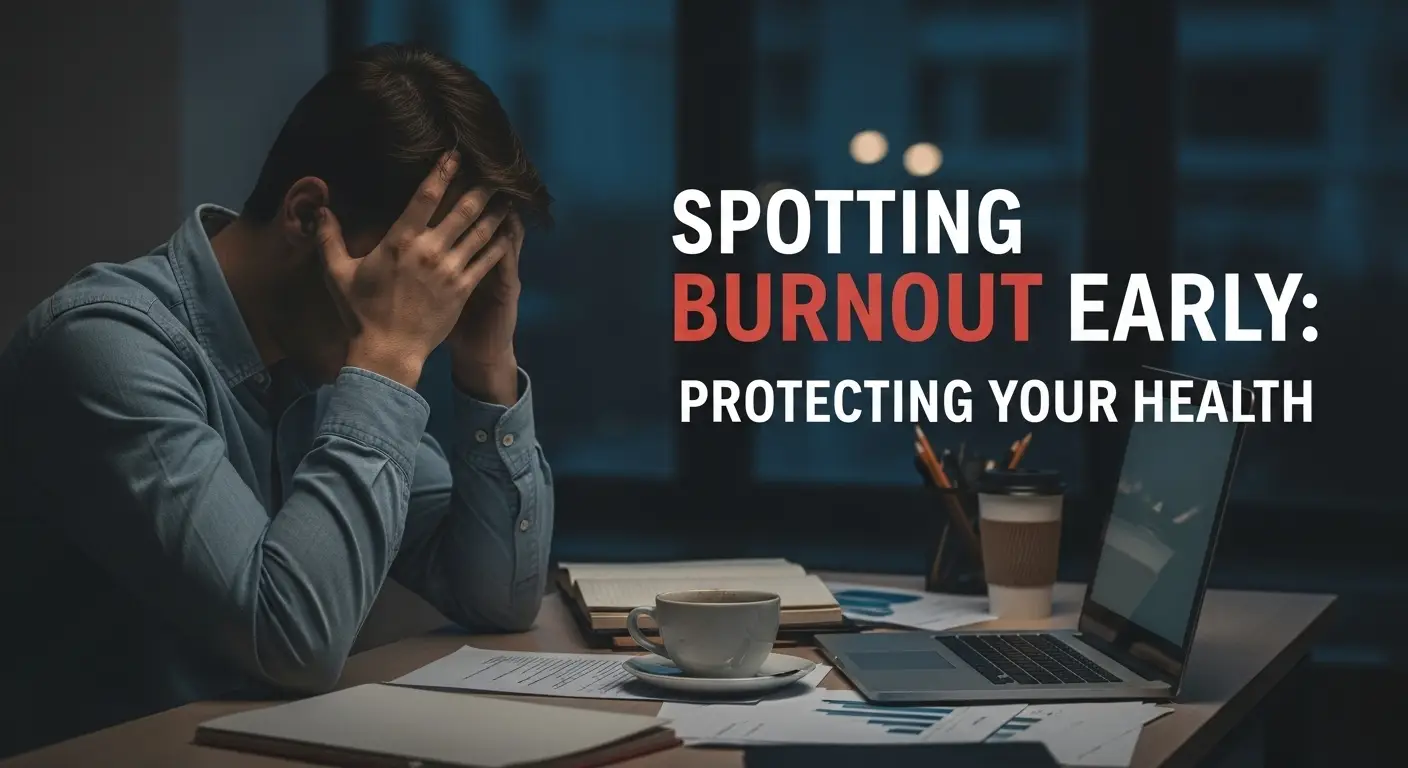
Burnout doesn’t happen overnight. It builds slowly—like a simmering pot left on the stove too long. At first, it may look like simple fatigue or irritability, but left unchecked, burnout can spiral into serious physical and mental health issues. Recognizing the warning signs early is key to protecting both your well-being and your future.
What Exactly Is Burnout?
Burnout is more than just stress. It’s a state of emotional, physical, and mental exhaustion caused by prolonged exposure to demanding situations. While it’s often tied to work, burnout can also stem from caregiving responsibilities, academic pressures, or even managing personal relationships.
Unlike temporary stress, burnout doesn’t go away after a weekend of rest—it lingers, and without intervention, it worsens.
Early Signs You Shouldn’t Ignore
Spotting burnout before it takes hold means paying attention to both body and mind. Some of the most common early warning signs include:
- Constant fatigue, even after sleep
- Increasing irritability or cynicism
- Frequent headaches or digestive issues
- Loss of motivation and focus
- A sense of detachment from work or relationships
If these symptoms sound familiar, it’s a signal to slow down and reassess.
The Toll on Your Health
The impact of burnout isn’t just emotional—it’s physical too. Chronic stress can raise cortisol levels, disrupt sleep, and weaken the immune system. According to the World Health Organization, burnout is now recognized as an occupational phenomenon linked to chronic workplace stress that hasn’t been successfully managed.
Left untreated, burnout can increase the risk of heart disease, depression, and other long-term health problems.
Healthy Coping Strategies
The good news is that burnout can be prevented—or at least managed—when caught early. Building resilience and healthier habits makes all the difference. Consider these approaches:
- Set boundaries – Learn to say no without guilt.
- Take regular breaks – Step away from work to reset your mind.
- Prioritize sleep – Quality rest restores both body and brain.
- Move your body – Exercise reduces stress and boosts energy.
- Seek support – Talking with trusted friends or professionals helps lighten the load.
The Role of Professional Help
Sometimes, self-care alone isn’t enough. If burnout symptoms persist or worsen, reaching out to a professional is a wise step. For example, a psychotherapist Vancouver residents rely on can provide personalized strategies, tools, and support to manage stress and rebuild resilience. Therapy isn’t about weakness—it’s about creating space to heal and thrive.
Listening to Your Inner Alarms
Your body and mind send signals long before burnout wrecks your health. The challenge is to notice them—and act—before it’s too late. Slowing down, reassessing priorities, and seeking the right support can prevent exhaustion from becoming a crisis.
Final Thoughts
Burnout thrives in silence and denial. By recognizing its signs early, you give yourself the chance to restore balance, protect your health, and reconnect with what truly matters. Your well-being is not negotiable—it’s the foundation of everything else in your life.
Source: https://drginasam.net/