

Want to get more out of every gram you grow?
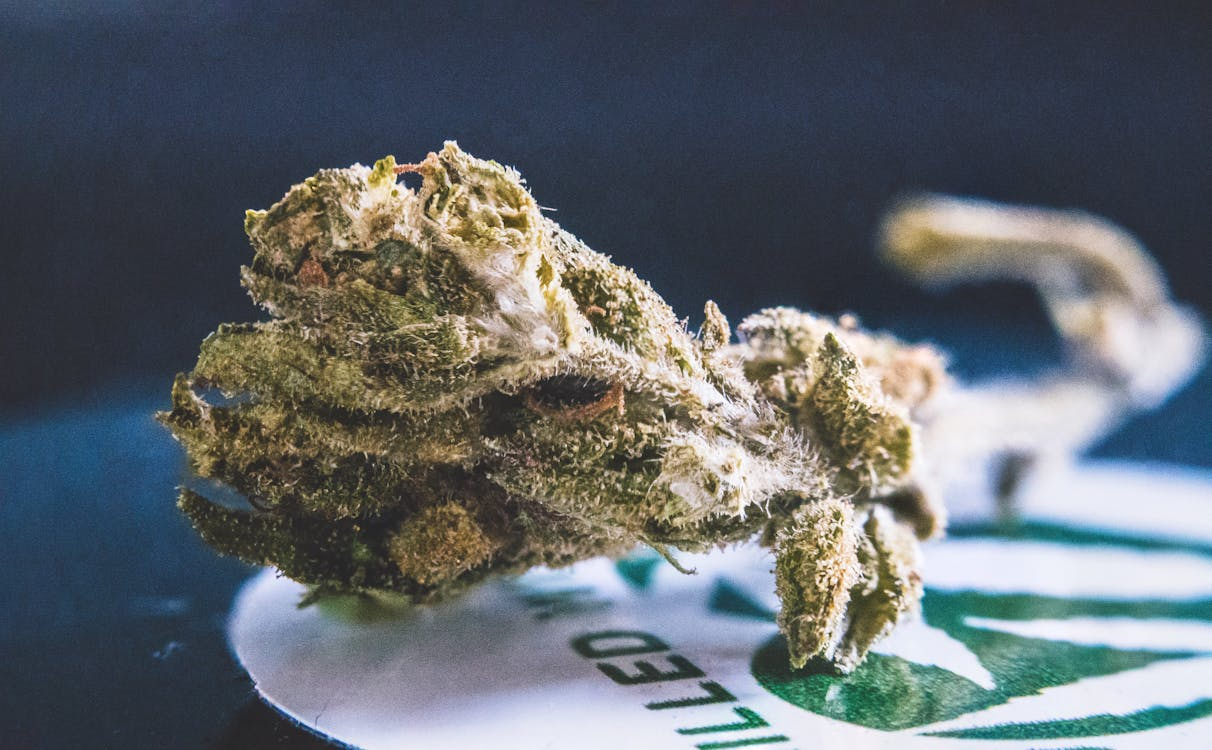
Autoflowering cannabis has really improved over the past ten years. Gone are the days of low potency and minuscule yields. New strains are bred to be packed full of cannabinoids that can compete with the most potent photoperiod plants available.
But here’s the problem…
Growers obsess over THC percentage. They neglect something far more significant… Bioavailability. The real concentration of cannabinoids available to your body. It can make or break your end game.
Find out how today’s autoflower genetics influence bioavailability, and how to get the most out of your harvest.
Let’s jump in!
Here’s what’s covered:
- What Is Cannabinoid Bioavailability?
- How Modern Autoflowers Have Evolved
- Top Factors That Affect Bioavailability
- Best Autoflower Yield Tips For Higher Potency
What Is Cannabinoid Bioavailability?
Cannabinoid bioavailability refers to what percentage of THC, CBD, or other cannabinoids successfully enter your bloodstream.
It’s a big deal.
You could grow buds that test 25% THC. If they have poor bioavailability, you’ll only experience a small portion of those cannabinoids. The rest is lost during digestion, or burned away with inefficient methods of consumption.
Different consumption methods deliver vastly different absorption rates:
- Smoking flower: Around 25-30% bioavailability
- Vaporising: Up to 40% bioavailability
- Edibles: Just 4-12% bioavailability
- Sublingual oils: 12-35% bioavailability
Studies on PubMed have shown that THC bioavailability is only about 30% when smoked compared to ingestion through the mouth. That’s a huge difference – that’s why the genetics of the cannabis plant you grow autoflower seeds from are important to your final product.
How Modern Autoflowers Have Evolved
Autoflowers used to be the weak cousin of photoperiod strains.
Why? Because they possessed Cannabis Ruderalis genes, which typically have low THC levels. Those first commercially available autoflowers only reached 8-10% THC at best and growers mocked them as a novelty.
But everything has changed.
Modern autoflowering strains can reach THC levels of up to 20 percent, rivaling the potency of high-end photoperiod varieties. Breeders continue to push those limits, as well. Some top-shelf autos are testing 25%+ THC right off the rack.
This matters for bioavailability because:
- Higher cannabinoid concentrations mean more compounds available to absorb
- Better terpene profiles improve absorption rates
- Modern genetics produce denser trichomes packed with active compounds
- Improved breeding has stabilised cannabinoid ratios
The point is? Autoflower genetics these days aren’t a compromise. High THC autoflowers can be cultivated by patients needing a quick turnaround.
Top Factors That Affect Bioavailability
Bioavailability isn’t just about consumption. It starts in the grow tent.
Here’s what matters most…
Trichome Development
Trichomes are where cannabinoids reside. The more trichomes your cannabis contains, the greater bioavailability will be of your finished product.
To maximise trichome production:
- Keep temperatures between 70-78°F during late flower
- Maintain humidity around 40-50% in the final weeks
- Provide intense light during bloom
- Avoid touching the buds during flowering
High temps will degrade your trichomes and vaporize your terpenes. Neither of those are good for bioavailability.
Terpene Profile
Terpenes aren’t just there to smell nice on your bud. They assist cannabinoids in your body to be absorbed better. This is known as the “entourage effect” terpenes and cannabinoids interacting with each other to create a more potent effect.
Auto breeding today puts great emphasis on terpene profiles. The best auto strains now create terpenes over 1.5%, which was considered impossible with autos in years past.
Harvest Timing
This is the part most home growers get wrong.
Harvesting too early results in underdeveloped cannabinoids and low bioavailability. Harvesting too late causes cannabinoids to degrade into less active forms.
Best harvest time? When approximately 70-80% of the trichomes become cloudy white and you start to see some amber heads. View under a Magnifying glass.
Drying & Curing
No matter how good of a grow you have, one bad cure can ruin your buds. Drying should be done in 7-14 days at 60°F and 60% humidity. After drying, your buds should be cured in glass jars for 2-4 weeks. Don’t skip this step or you could lose up to 30% potency.
Explore more at dr gina sims.
Best Autoflower Yield Tips For Higher Potency
Alright, now onto the tips and tricks. Follow these autoflower yield tips and you’ll be smoking more cannabinoids with greater bioavailability from every grow.
Use Quality Genetics
This is where it all begins. Premium auto seeds will beat low-end genetics every time. Elite autoflower breeding programs produce more cannabinoids, better terpenes, more potent plants.
When choosing seeds, look for:
- Strains with verified lab testing results
- Breeders with strong reputations
- Genetics with stable phenotypes
- Strains matched to your growing conditions
Optimise Your Light Cycle
Autoflowers do not require a change in light schedule to flower. You can run 20+ hours of light from beginning to end.
More light = more photosynthesis = more cannabinoid production.
Most seasoned auto growers will use an 18/6 or 20/4 schedule. Some growers will push it to 24/0 but plants need a small dark period to recuperate.
Feed The Right Nutrients
Autoflowers have a much shorter lifespan than photoperiod plants do. So their feeding schedules should be adjusted accordingly. Rule of thumb: feed significantly lighter than photoperiod feeding schedules recommend. Autoflowers hate to be overfed and will lock out quickly.
In bloom, focus on:
- Higher phosphorus and potassium for bud development
- Lower nitrogen as flowering progresses
- Cal-mag supplements to prevent deficiencies
- Quality bloom boosters in late flower
Train Lightly
Topping strains Autoflowers heavily and they won’t have time to recover from heavy training. You can perform Low Stress Training by bending branches to expose more of the canopy and tying down tall colas for equal height. No high stress training past week 4.
Final Thoughts
Modern autoflowers have closed the gap with photoperiod strains in a major way.
Bioavailability of cannabinoids in modern autos is no issue whatsoever – genetics exist, cannabinoids are stacked, and terpene profiles match those of the best photoperiod strains.
To recap:
- Bioavailability matters more than raw THC percentage
- Modern autos can hit 25%+ THC with proper care
- Trichome development, terpenes, and curing all affect absorption
- Quality genetics are the foundation of strong results
- Light, nutrients, and training make or break the harvest
For novice and seasoned cultivators alike, modern-day autos possess true potential. Select your genetics wisely, fine-tune your environment and handle your girls properly through harvest and curing. The quality of your finished product will be evident.