
Dr Gina Sims Gastroenterologist on Diet Adjustments for Long Term Gut Comfort
Dr Gina Sims Gastroenterologist is a board-certified digestive health specialist who focuses on helping people achieve long term gut comfort through practical, personalised diet adjustments rather than short-term food rules. In simple terms, her approach looks at how daily eating patterns affect the stomach, intestines, gut microbiome, and overall digestive function over time, then adjusts diet choices to reduce symptoms like bloating, reflux, constipation, diarrhoea, and abdominal pain while supporting lasting gut balance.
I see many people who feel confused about what to eat because their symptoms seem unpredictable. One week a food feels fine, the next it causes discomfort. That frustration is usually a sign that the gut needs steady, thoughtful changes instead of extreme restrictions. This is where a structured dietary approach matters.
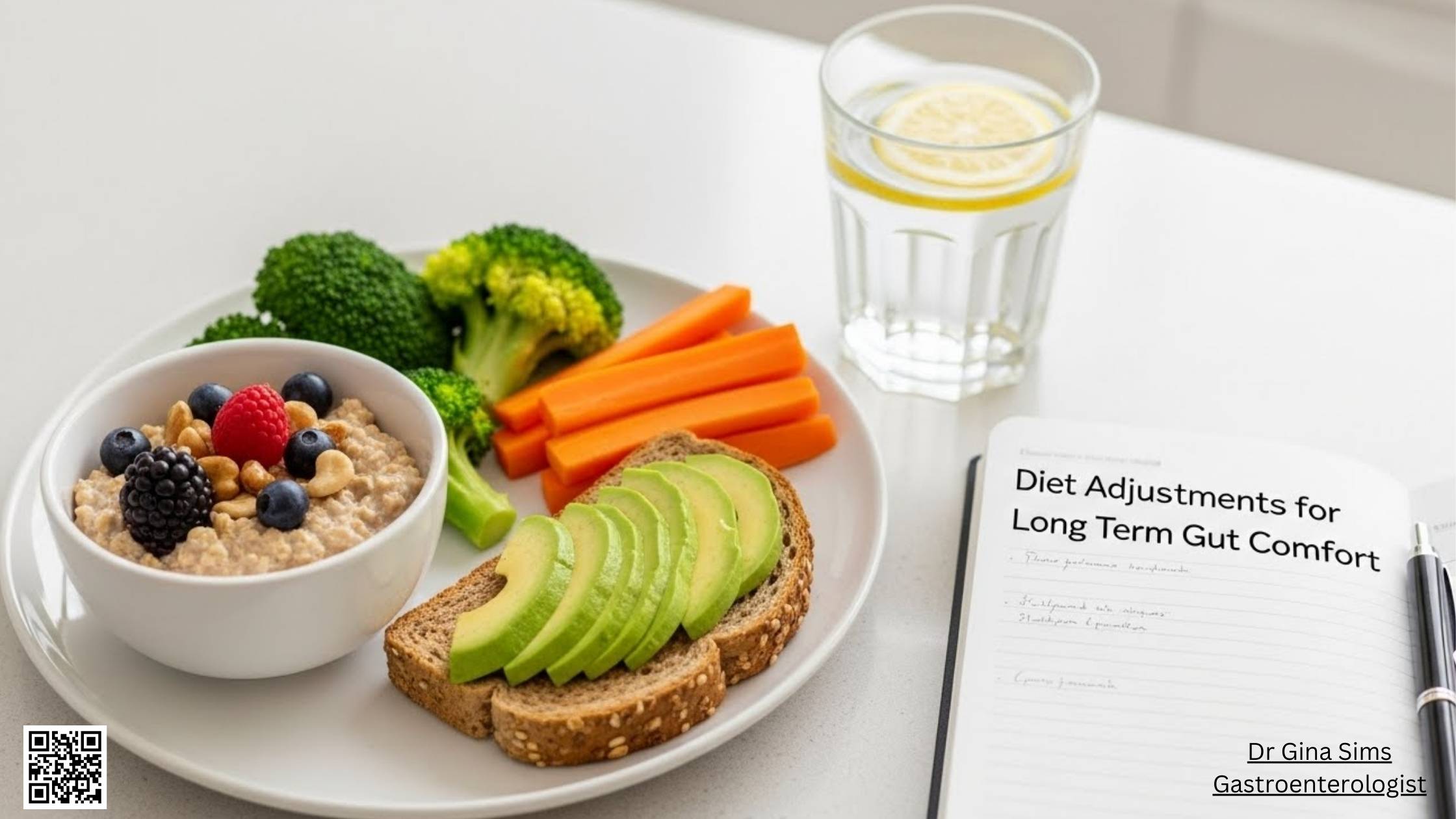
Why diet matters for long term gut comfort
Food is not just fuel. It interacts directly with stomach acid, digestive enzymes, bile, gut bacteria, and intestinal movement. Over time, repeated food choices can calm or irritate the digestive tract.
Long term gut comfort depends on three main factors:
- How well food is broken down in the stomach and small intestine
- How balanced the gut bacteria are in the colon
- How smoothly food moves through the digestive system
When one of these areas is off, symptoms tend to appear. Diet adjustments can help restore balance without relying only on medication.
How digestive symptoms develop over time
Many people expect gut issues to appear suddenly, but most develop gradually. Small habits add up.
Common contributors include:
- Skipping meals or eating very late at night
- High intake of ultra-processed foods
- Low fibre intake over many years
- Frequent use of antacids or antibiotics
- Chronic stress affecting gut motility
Over time, these factors can lead to conditions such as acid reflux, irritable bowel syndrome, functional dyspepsia, or chronic constipation. Dietary changes can reduce symptom frequency and intensity when done consistently.
Personalised nutrition rather than generic diet plans
One reason many diet plans fail is that they treat everyone the same. In clinical practice, I look at the whole picture.
Important factors include:
- Existing digestive diagnoses
- Food tolerance history
- Medication use
- Lifestyle and work schedule
- Cultural food preferences
A diet that works for someone with reflux may worsen symptoms for someone with slow digestion. Personalisation is key.
Dr Gina Sims Gastroenterologist approach to diet adjustments
Dr Gina Sims Gastroenterologist focuses on gradual, realistic changes rather than strict elimination unless medically necessary. The goal is comfort, not perfection.
This approach often includes:
- Reducing symptom-triggering foods first
- Improving meal timing and portion size
- Supporting gut bacteria with the right fibre sources
- Adjusting fat and protein intake based on digestion speed
Patients often notice improvements within weeks, but lasting comfort usually builds over months.
Understanding the gut microbiome and diet
The gut microbiome is the community of bacteria living in the intestines. These bacteria help digest fibre, produce vitamins, and support immune function.
A diverse microbiome is linked to:
- Less bloating
- More regular bowel movements
- Reduced inflammation
- Better tolerance of varied foods
Diet strongly influences bacterial diversity. Diets low in plant-based foods often reduce beneficial bacteria over time.
Foods that support healthy gut bacteria
Certain foods encourage beneficial bacteria to grow.
These include:
- Oats and barley
- Lentils and chickpeas
- Apples, pears, and berries
- Onions, garlic, and leeks
- Plain yoghurt with live cultures
Introducing these slowly helps prevent gas and bloating.
Foods that may disrupt gut balance
Some foods can worsen symptoms when eaten frequently.
Common examples:
- Highly refined sugars
- Artificial sweeteners
- Excess alcohol
- Fried foods
- Ultra-processed snacks
Reducing these does not mean eliminating enjoyment. It means adjusting frequency and portion size.
Diet adjustments for acid reflux and heartburn
Acid reflux occurs when stomach acid flows back into the oesophagus. Diet plays a major role in managing symptoms.
Helpful adjustments include:
- Eating smaller meals
- Avoiding lying down within three hours of eating
- Reducing high-fat evening meals
- Limiting trigger foods such as chocolate, peppermint, and spicy sauces
Not everyone reacts to the same triggers, which is why tracking symptoms matters.
Diet adjustments for bloating and gas
Bloating is one of the most common complaints. It often relates to fermentation in the gut or slowed digestion.
Helpful strategies include:
- Spacing meals evenly
- Reducing carbonated drinks
- Limiting large amounts of raw vegetables at once
- Chewing food thoroughly
In some cases, short-term reduction of fermentable carbohydrates can help identify triggers.
Diet adjustments for constipation
Constipation often results from low fibre intake, dehydration, or slow gut movement.
Helpful changes include:
- Increasing soluble fibre gradually
- Drinking enough water throughout the day
- Including healthy fats to stimulate bowel movement
- Maintaining consistent meal times
Sudden fibre increases can worsen bloating, so gradual changes work better.
Diet adjustments for diarrhoea and loose stools
Loose stools can be linked to food sensitivities, rapid gut transit, or inflammation.
Helpful strategies include:
- Limiting caffeine and alcohol
- Reducing very fatty meals
- Including binding foods like rice, oats, and bananas
- Avoiding large meals during flare-ups
Once symptoms stabilise, diet variety can slowly increase.
The role of fibre in long term gut comfort
Fibre supports digestion, but not all fibre works the same way.
There are two main types:
- Soluble fibre, which forms a gel and supports stool consistency
- Insoluble fibre, which adds bulk and speeds movement
Balancing both types matters. Too much of one can cause discomfort.
Common fibre sources and effects
| Fibre Source | Type | Effect on Digestion |
| Oats | Soluble | Supports stool form |
| Apples | Soluble | Feeds gut bacteria |
| Whole wheat | Insoluble | Improves bowel movement |
| Seeds | Mixed | Adds bulk and lubrication |
Adjusting fibre sources rather than total amount often improves comfort.
Protein intake and digestion
Protein is essential, but digestion varies based on source and portion size.
Some people tolerate:
- Fish and eggs better than red meat
- Smaller protein portions spread across meals
- Slow-cooked meats more easily
Large protein-heavy meals can slow digestion and increase discomfort.
Fat intake and gut symptoms
Fat delays stomach emptying. This can worsen reflux and bloating when intake is high.
Helpful adjustments include:
- Choosing healthier fats like olive oil
- Avoiding very greasy meals
- Spreading fat intake across meals
Fat is not harmful, but balance matters.
Meal timing and gut comfort
When you eat matters almost as much as what you eat.
Regular meal timing helps regulate:
- Acid production
- Gut motility
- Hunger hormones
Skipping meals or eating very late can worsen symptoms over time.
Hydration and digestive health
Water supports digestion and stool movement.
Many people drink too little during the day and too much at night.
Helpful habits include:
- Drinking water consistently
- Limiting large amounts with meals if bloating occurs
- Increasing fluids with fibre intake
Hydration works alongside diet changes.
Stress, the gut, and food tolerance
The gut and brain communicate constantly. Stress can alter digestion and food tolerance.
During stress:
- Digestion may slow or speed up
- Sensitivity to foods can increase
- Symptoms may appear even with safe foods
Diet adjustments work best when stress is also addressed.
Food tracking without obsession
Tracking food can help identify patterns, but it should not become stressful.
Simple tracking focuses on:
- What was eaten
- When symptoms appeared
- Severity of discomfort
Patterns often emerge within weeks.
Supplements and diet adjustments
Supplements may support diet changes but should not replace food.
Common examples include:
- Probiotics for specific symptoms
- Fibre supplements when intake is low
- Digestive enzymes in selected cases
Not everyone needs supplements, and effects vary.
Dr Gina Sims Gastroenterologist guidance on sustainable eating
Dr Gina Sims Gastroenterologist encourages flexibility rather than rigid rules. Food should support comfort and quality of life.
Sustainable changes often include:
- Eating mostly home-prepared meals
- Allowing occasional indulgences
- Adjusting during travel or illness
- Revisiting diet choices as symptoms change
This mindset supports long term success. Contact Dr Gina through book an appointment page.
Real-life example of gradual improvement
A patient with years of bloating and irregular bowel movements tried multiple elimination diets without success. Instead of cutting more foods, we adjusted meal timing, added soluble fibre slowly, reduced evening fat intake, and improved hydration. Within two months, symptoms reduced significantly without major restrictions.
When diet changes are not enough
Diet plays a major role, but not all symptoms are diet-related.
Medical evaluation is important when symptoms include:
- Unexplained weight loss
- Persistent vomiting
- Blood in stool
- Difficulty swallowing
- Severe abdominal pain
Diet adjustments should complement medical care.
Building long term gut comfort step by step
Long term comfort does not come from quick fixes. It develops through consistent, realistic changes.
Helpful reminders include:
- Change one habit at a time
- Give the gut time to adapt
- Focus on comfort, not perfection
- Reassess as life changes
Final thoughts on diet and digestive health
Living with digestive symptoms can feel limiting, but it does not have to stay that way. With thoughtful diet adjustments, many people regain confidence in eating and daily life.
Dr Gina Sims Gastroenterologist continues to emphasise that long term gut comfort is built through understanding your own digestion, respecting your body’s signals, and making steady changes that fit your life. Food should support health, comfort, and enjoyment, not fear or frustration.