

Recent studies paint a stark picture: among nearly 12,000 preschoolers, 37% played outdoors for an hour or less on weekdays. At the same time, up to 30% of young children suffer from functional tummy troubles like constipation or abdominal pain.
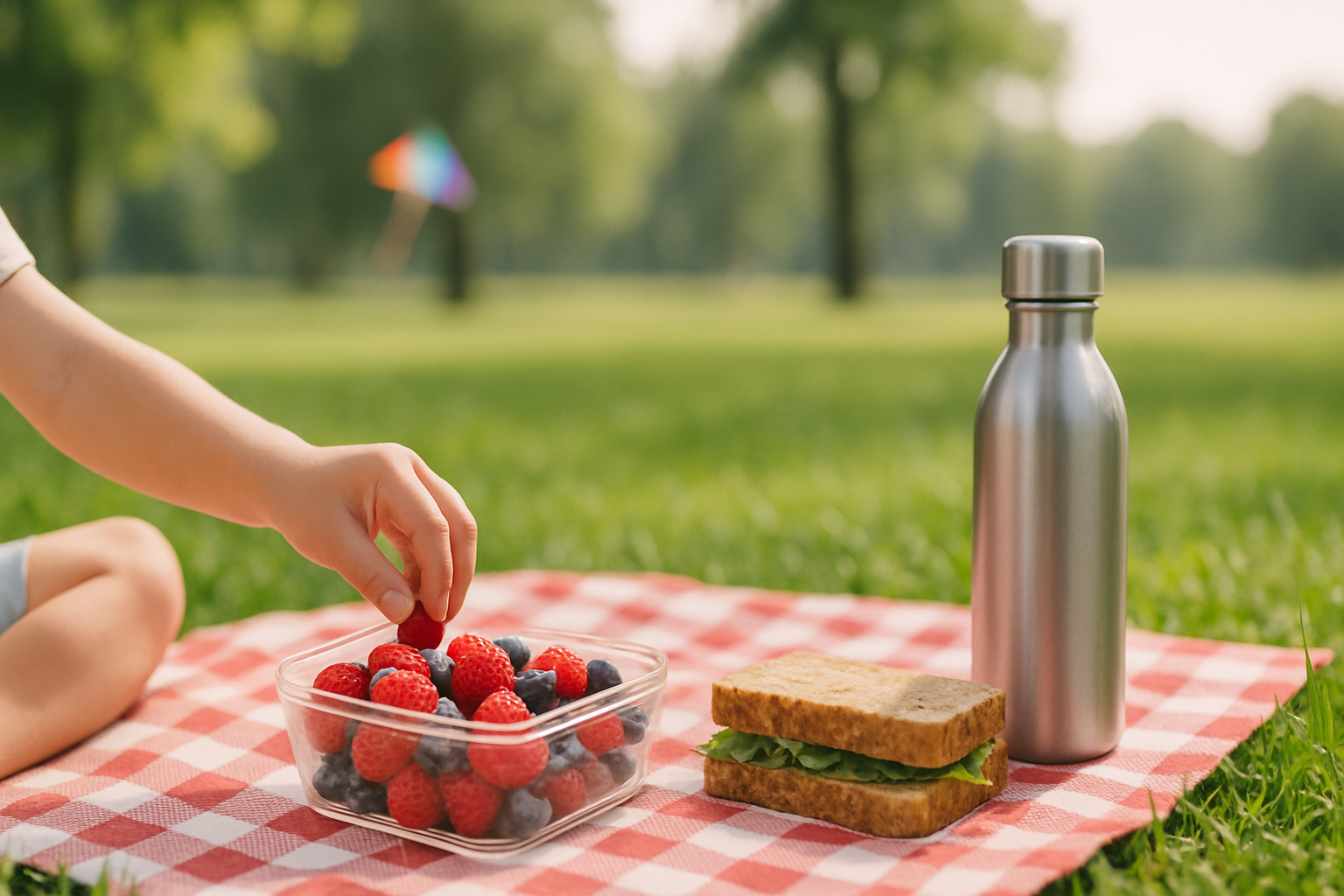
This guide explores the powerful, science-backed connection between green time and gut health, offering simple strategies for even the busiest families.
The Gut–Brain–Green-Space Triad
Healthy digestion begins with the trillions of microbes living inside the large intestine. Think of this gut microbiota as your child’s microscopic support team: they help break down fiber, train the immune system, and even produce feel-good neurotransmitters like serotonin.
When stress or prolonged sitting dominate a child’s day, harmful bacteria gain ground while beneficial strains decline, and the body produces more cortisol, a stress hormone known to slow gut motility.
This is where nature steps in with three quick wins:
- Microbial Diversity Exposure: Simply playing in the dirt exposes children to soil and plant microbes that broaden their gut’s “friend list,” fostering a more resilient internal ecosystem.
- Fresh-Air Movement: Activities like running, climbing, and balancing physically stimulate the intestines, helping keep food moving smoothly through the digestive tract.
- Cortisol Drop: Research shows that even a 20-minute visit to a park can significantly lower stress hormones, which in turn reduces tummy discomfort linked to stress.
| Key Insight: Outdoor play is a gut health strategy. Exposure to diverse microbes, increased physical movement, and reduced stress hormones directly build a more resilient digestive system for your child. |
The “Play & Grow” Randomized Controlled Trial
A landmark eight-week study involving 96 preschoolers aged 3-5 provides compelling evidence. Participants engaged in four 60-minute nature-play sessions per week, including activities like guided scavenger hunts, free play, and gardening. The results were remarkable.
Key Findings
- A significant boost in “good” gut bacteria, such as Bifidobacterium and Faecalibacterium.
- A seven-fold increase in fecal serotonin (the happy chemical, largely produced in the gut).
- Lower parent-reported stress behaviors and higher “connectedness to nature” scores.
What does this mean for parents? Regular outdoor play doesn’t just tire kids out; it measurably reshapes their gut environment and improves their mood in less than two months.
| Quote: Key Finding: The ‘Play & Grow’ study found a seven-fold increase in fecal serotonin in preschoolers after just eight weeks of regular nature play, directly linking green time to improved mood. |
Stress Less, Digest More: How Outdoor Play Calms the Gut
The connection between stress and digestion is direct, and nature offers a swift antidote. In fact, studies show that children’s stress levels fall within minutes of seeing green spaces. This happens because the gut and brain are in constant communication through the vagus nerve, a pathway known as the gut-brain axis.
Elevated levels of the stress hormone cortisol can slow intestinal contractions, leading to uncomfortable gas and constipation.
Outdoor settings counter this as moderate physical activity, like running and climbing, inspired by WillyGoat’s safe playground equipment, can accelerate intestinal transit time by up to 30%. Combining movement with nature’s calming effect offers a powerful, two-for-one digestive boost.
Making Nature Play Happen: Practical Tips for Busy Families
Integrating more outdoor time doesn’t have to be complicated. Start with simple, achievable goals.
Green-Time Guidelines
- Weekdays: Aim for a quick “Green-15”, just 15 minutes of play in the backyard or a neighborhood park.
- Weekends: Shoot for two cumulative hours, spread across the morning and afternoon.
Activity Menu
Backyard Mini-Safari & Gardening
Hand your child a magnifying glass to “meet” the pill bugs, earthworms, and dandelions that are already waiting to improve their microbiome. Even small gardening tasks can provide valuable exposure to healthy soil microbes.
Park Obstacle Courses & Playground Circuits
Use the park’s natural features or existing structures to create obstacle courses. This encourages climbing, jumping, and balancing, all of which physically stimulate the digestive system.
Forest-School-Style Scavenger Hunts
Create a simple list: find one smooth rock, two pinecones, and something yellow. Each discovery involves beneficial bending, stretching, and sensory exploration.
Weather-Proof Ideas
On a cold day, layer up and try “puddle-splash math” by jumping and counting. On a rainy day, a quick trip to a nearby greenway can make a spontaneous park visit easier and more enjoyable.
Safety & Inclusivity Notes
Remember to reapply broad-spectrum SPF 30 every two hours. For children with sensitivities, pack non-dairy probiotic snacks and consider noise-reducing headphones to ensure everyone feels comfortable and welcome outdoors.
| Pro Tip: Don’t overwhelm yourself. Start with a ‘Green-15’—just 15 minutes of outdoor play after school. Consistency with small habits is more effective than infrequent, long excursions. |
Holistic Perks of Outdoor Time
The benefits extend far beyond digestion, even impacting healthy weight management. Research shows that children who spent at least 60 minutes outdoors at school were more likely to display improvements in their weight status. Here is a quick comparison of the effects of outdoor play versus excessive screen time:
| Outdoor Play | Screen Time* |
|---|---|
| + Improved attention span | – Increased hyperactivity |
| + Better distance vision | – Higher myopia risk |
| + Stronger immunity | – Sedentary weight gain |
| + Happier microbiome | – Reduced bacterial diversity |
*High-quality educational content excluded; moderation remains key.
Supporting Pillars of a Gut-Happy Lifestyle
While powerful, outdoor play is one part of a larger picture. A thriving digestive system also depends on other crucial habits. Ensure your child consumes fiber-rich foods like oats, lentils, and berries to feed beneficial gut microbes.
Proper hydration is also essential; aim for 4–5 cups of water daily for preschoolers to keep things moving. Finally, prioritize quality sleep, as the growth hormone released during rest also helps regulate gut barrier function.
| Important: Outdoor play is a powerful tool, but it works best with other healthy habits. Don’t neglect fiber-rich foods, proper hydration, and quality sleep for complete digestive wellness. |
Mini Medical Disclaimer
The information in this post is for educational purposes only and is not a substitute for professional medical advice. Always consult a qualified healthcare provider regarding any digestive concerns.
Source: Dr Gina Sims
Your Next Steps
Outdoor play is a scientifically backed, low-cost way to nurture your child’s gut health and overall well-being. Here’s how to get started:
- Schedule tomorrow’s “Green-15” on the family calendar.
- Bookmark a list of three local parks or trails within a 10-minute walk or ride.
- Share this article with another caregiver who could use a little green inspiration.
Ready to trade screen glare for green glare? Lace up those tiny sneakers and watch their tummies thank you.